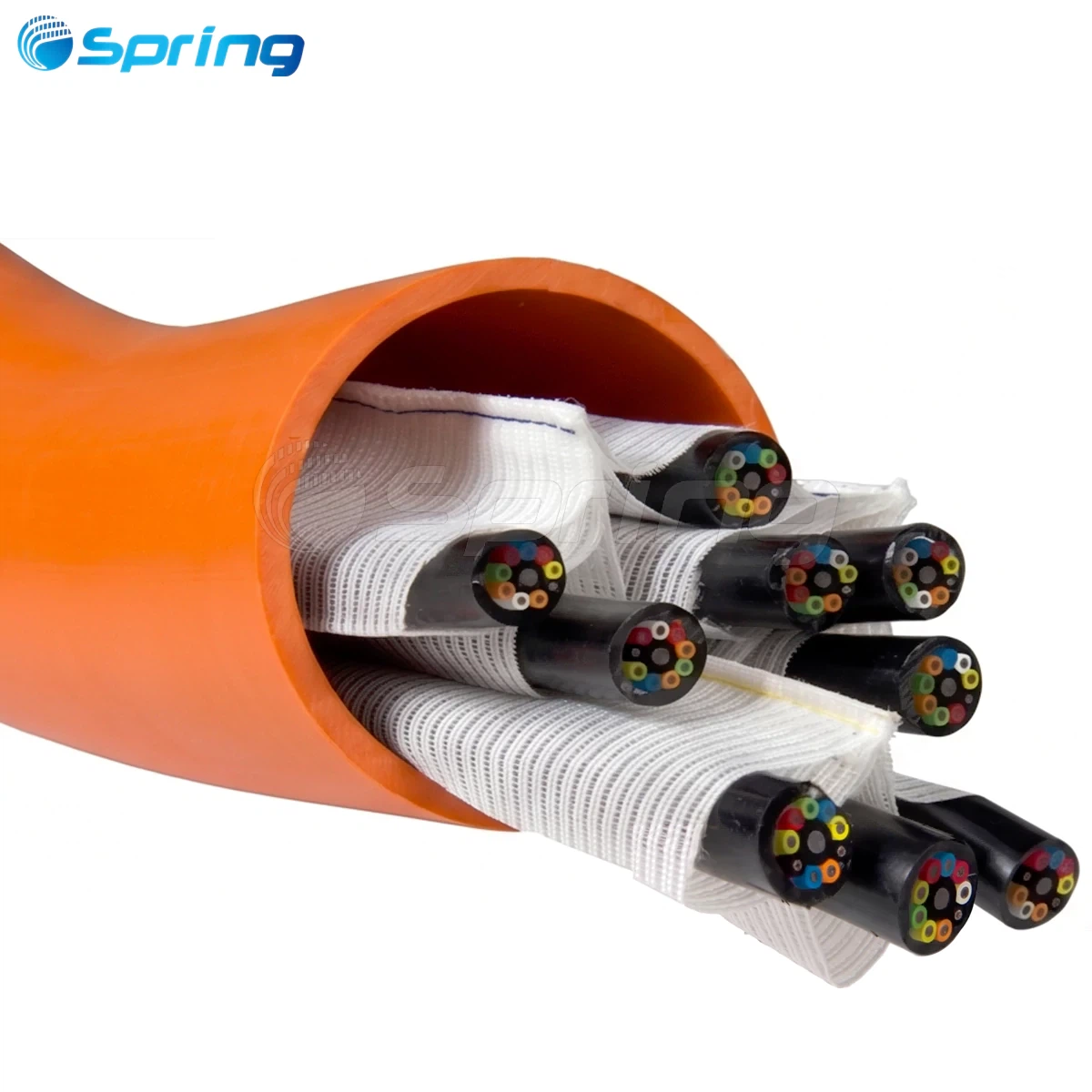


Multi-Fiber Termination Push-on (MTP) cables play a vital role in modern fiber optic connectivity, designed to facilitate and radically improve data transmission in high-performance networks. As technology advances and the demand for faster, more reliable communication systems increases, a thorough understanding of MTP has become essential for industry professionals.
Quick Definition: An MTP cable is a high-performance, multi-fiber patch cord utilizing a patented connector design from US Conec, capable of terminating up to 72 or more optical fibers within a single interface to enable rapid, ultra-high-density data center routing.
This guide explores the technical specifications, installation methods, and benefits of MTP cables, providing readers with a comprehensive view of how these systems operate and their critical role in modern telecommunications. Whether you are a network engineer, an ISP procurement specialist, or an IT infrastructure expert, this guide aims to deliver valuable knowledge on MTP cable applications and best practices.

1. What is an MTP Cable?
MTP Cables and Their Applications
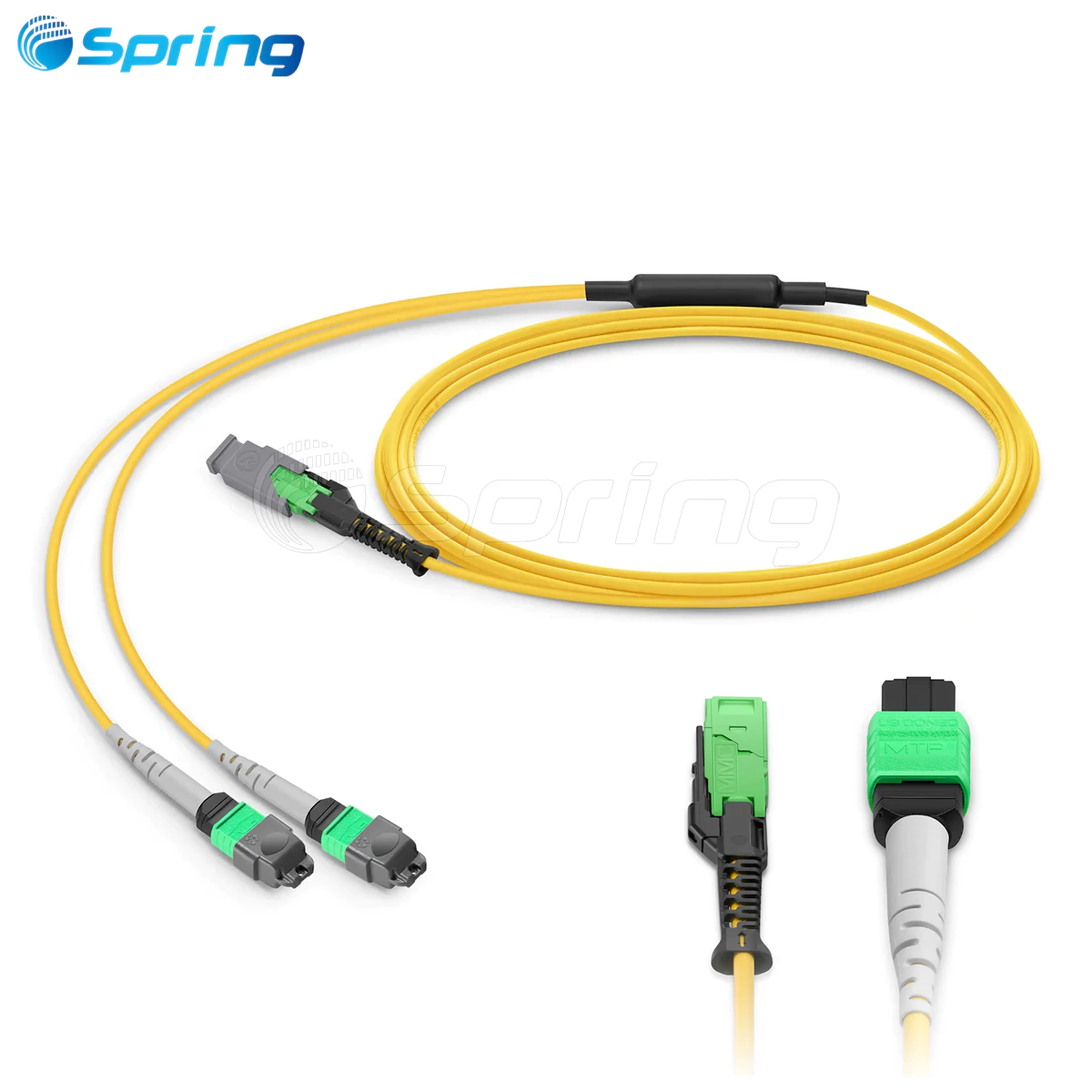
Multi-Fiber Termination Push-on (MTP) cables house multiple optical fibers within a single connector. Primarily engineered for high-density fiber optic cabling, their main purpose is to enable efficient data transmission in large-scale data centers and telecommunications networks. They are specifically designed for mission-critical applications such as server interconnects, network backbone connections, and enterprise structured cabling systems. Compared to traditional single-fiber cables, MTP cables allow for faster deployment and effortless scalability, significantly reducing installation time and complexity while providing superior bandwidth support and more reliable device connectivity.
Technical Comparison: MTP vs. MPO Cables
MTP and MPO (Multi-Fiber Push-On) cables are often considered identical due to their similar appearance, but key mechanical and performance differences exist between them.
| Feature | Standard MPO Connector | Premium MTP Connector (US Conec) |
| Patent & Engineering | Generic industry standard format | Patented design with enhanced mechanical upgrades |
| Alignment Precision | Standard molded plastic pins; prone to minor misalignment | Elliptical stainless steel guide pins to minimize ferrule wear |
| Ferrule Design | Rigid ferrule configuration | Floating ferrule allows physical contact to remain intact under load |
| Insertion Loss | Standard performance (≤ 0.70dB) | Ultra-low insertion loss available (≤ 0.35 dB) |
| Durability | Standard lifecycle matching basic network specs | Removable housing allows re-working/re-polishing of the ferrule |
In summary, while both MTP and MPO cable types play vital roles in fiber optic networking, MTP products are highly preferred for high-density, low-loss, and high-performance enterprise applications due to their advanced engineering and superior reliability.
Key Components of MTP Fiber Optic Cables
An MTP fiber optic cable consists of several critical components that contribute to its high-network performance:
Optical Fibers: The core component of the MTP cable that transmits data as light signals. These can be single-mode or multimode; single-mode is utilized for long-distance communication, while multimode features a larger core diameter, making it ideal for short distances.
Connector Housing: Designed for durability, the MTP connector housing is fabricated from rugged materials capable of resisting environmental stress. It is engineered for easy assembly and disassembly, simplifying maintenance.
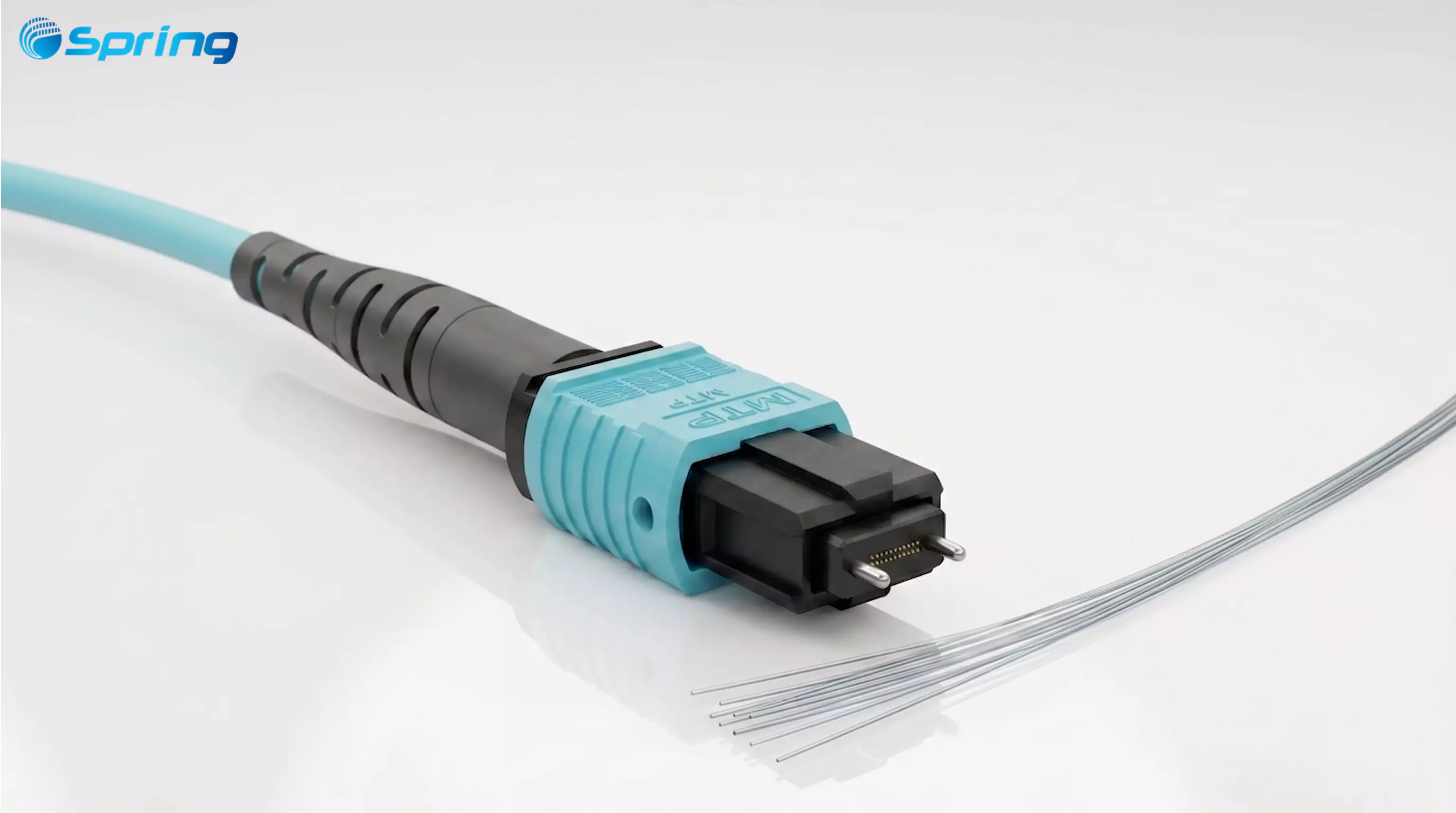
Alignment Mechanism: To ensure precise fiber alignment, MTP connectors utilize high-tech alignment systems, such as elliptical guide pins. This is crucial for minimizing insertion loss and optimizing overall signal quality.
Protective Ferrule: Environmental factors like moisture and dust can damage optical fibers, so MTP connectors incorporate a high-precision MT ferrule to prevent contamination. Safeguarding the integrity of these fibers is essential to prevent physical damage over time.
Cable Jacket: The outer cable jacket, made of durable materials like PVC, Plenum (OFNP), or LSZH (Low Smoke Zero Halogen), provides an extra layer of shielding for the internal components. LSZH materials enhance fire safety by eliminating toxic emissions during combustion.
Strength Members: High-tensile Aramid yarn (Kevlar) provides structural reinforcement within the cable design. They ensure that tensile loads during installation and pulling operation do not compromise performance levels.
2. How to Choose the Right MTP Connector?
Types of MTP Connectors: APC, MPO, and More
To select the appropriate MTP connector, it is essential to distinguish between the different types suited for specific optical networks:
APC (Angled Physical Contact): These connectors feature an 8-degree angled end-face to minimize back reflection (ORL), making them the perfect choice for single-mode networks requiring ultra-low signal loss.
PC/UPC (Ultra Physical Contact): Flat polished connectors primarily used in multimode applications where back reflection is less critical.
Standard vs. Custom Configurations: While standard MTP connectors are widely available, custom configurations with specific fiber counts (8, 12, 24, or 16-fiber for next-gen 400G/800G) and length options can be developed to precisely match unique network architectures.
Considerations for High-Density Environments
To optimize performance and maintain reliability in high-density environments, several critical factors must be addressed:
Space Constraints: Limited physical space is a constant challenge in high-density layouts. Utilizing MTP connectors that support the maximum fiber count within a compact footprint is vital for maximizing usable area.
Thermal Dissipation: Increased cabling density can restrict airflow and raise ambient temperatures, which may negatively impact performance. Adequate airflow and cooling mechanisms must be ensured to prevent overheating.
Cable Management: Effective cable management solutions are necessary to prevent tangles and maintain organized pathways. High-density fiber enclosures, trays, and proper labeling facilitate easy access and hassle-free maintenance.
Future Scalability: To accommodate evolving demands over time, the infrastructure must leverage modular and flexible MTP solutions that allow for seamless future expansion of fiber counts or network capacity.
MTP Connectors for Various Fiber Applications
MTP connectors serve as highly adaptable solutions across numerous fiber optic applications to guarantee peak performance and connectivity:
Data Centers: Due to their high-density deployment capabilities and rapid data transfer rates, MTP connectors dominate data center environments. Their modularity allows them to be easily reconfigured to suit dynamic network architectures.
Telecommunications: In this industry, MTP features serve as a critical backbone infrastructure. These connections are trusted for their reliability and versatility, supporting diverse communication applications and efficiently managing massive traffic volumes.
Local Area Networks (LAN): Today, the use of MTP connector configurations in LANs is increasing to provide high-speed connectivity between network switches and server racks. This design allows multiple fibers to fit into smaller spaces, maximizing bandwidth where it is needed most.
3. What Are the Advantages of MTP Fiber Optic Cables?
Benefits of Using MTP Fiber in Data Centers
Space Efficiency: MTP fiber cables occupy significantly less space while housing a higher volume of fibers, promoting efficient footprint utilization within server racks.
Scalability: Their modular structure allows for effortless upgrades and capacity expansion without requiring major overhauls to the existing infrastructure.
Higher Bandwidth: MTP fiber enables the ultra-fast data transmission speeds essential for meeting the demands of modern enterprise applications.
Reduced Installation Time: Pre-terminated MTP components simplify the deployment process, drastically reducing network downtime and labor costs.
Ease of Management: Cable management systems equipped with MTP connectors eliminate clutter and streamline troubleshooting during routine maintenance.
Enhanced Reliability: Utilizing these precision connectors guarantees high-performance signal integrity, reducing connectivity disruptions in critical setups.
Performance Edge: Low Insertion Loss and High Density
Renowned for their low insertion loss and high density, MTP fiber optic cables are the premier choice for data centers requiring elite performance. Low insertion loss (≤ 0.35dB for Elite connectors) is critical because it ensures minimal signal attenuation during transmission, which is vital for maintaining the integrity and quality of high-speed data streams. This characteristic enhances overall network efficiency, allowing for longer link distances without compromising performance. Additionally, the high-density design of MTP cables allows them to consolidate numerous connections within a compact physical area, optimizing valuable rack space.
MTP Cables vs. Traditional Fiber Optic Cables
Comparing MTP cables to traditional fiber optic cables highlights several key differences that underscore the advantages of MTP technology.
First, MTP cables utilize multi-fiber connectors, allowing multiple fibers to be terminated inside a single interface. This provides a high-density solution perfectly suited for environments with high cable volumes but limited physical space. Conversely, traditional fiber options typically rely on single-fiber connectors (like LC or SC), resulting in bulkier bundles and increased complexity during installation and management.
Second, MTP components are engineered for rapid deployment, yielding significantly shorter installation times compared to legacy fiber systems. This efficiency not only lowers labor costs but also minimizes the risk of human error during installation. Furthermore, due to their ability to maintain excellent signal integrity and minimize insertion loss, MTP connectors guarantee superior reliability and performance-factors critical for bandwidth-intensive applications.
4. How to Install and Maintain MTP Cables?
Step-by-Step Guide to MTP Cable Installation
Preparation: Gather all necessary tools and materials for the installation, such as pre-terminated MTP cables, compatible cassettes, cleaning supplies, and test equipment.
Layout Planning: Map out the installation route, taking into account cable lengths, bends, and potential obstacles to ensure an efficient and organized setup.
Cable Routing: Carefully route the MTP cables along the designated pathways, strictly maintaining the proper bend radius to avoid sharp angles that cause macrobends and signal attenuation.
Connector Mating: Follow the manufacturer's guidelines precisely when mating MTP connectors, ensuring proper alignment of the keyways (Key Up/Key Down or Key Up/Key Up) to match the system configuration.
Connection Testing: Perform optical testing on every link using an appropriate light source and optical power meter to verify link integrity and performance levels.
Labeling: Apply clear, legible labels to all cables and connectors to facilitate future maintenance or troubleshooting processes.
Documentation: Document the installation details thoroughly, including routing paths, termination points, and test results, creating an accurate system reference for future use.
Scheduled Maintenance: Establish a schedule for periodic inspections and performance testing to ensure continuous system reliability.
📌 Spring Optical Engineering Note: The Polarity Pitfall
When deploying MTP cables in a structured cabling matrix, understanding Polarity (Method A, Method B, and Method C) is critical. Mismatched polarity between MTP trunk cables and patch cords will result in a complete link failure because the Transmit (TX) signal will fail to map perfectly to the Receive (RX) side. Always consult with our technical engineering team during your layout planning stage to ensure your system polarity is perfectly mapped.
Common Maintenance Tips for MTP Fiber
Routine Inspections: Conduct regular visual inspections of MTP cables and connectors to detect any signs of wear, physical damage, or contamination that could degrade performance.
Cleaning Protocol: Utilize appropriate cleaning methods and materials specifically engineered for multi-fiber connectors (such as US Conec IBC Clickers) to eliminate dust and debris that cause signal loss. All connectors must be cleaned immediately prior to mating.
Performance Monitoring: Implement continuous performance monitoring using optical test equipment to detect any anomalies in signal quality, enabling prompt intervention.
Environmental Considerations: Maintain optimal environmental conditions and avoid exposing cables to extreme temperatures, moisture, or physical stress that could compromise structural integrity.
Proper Storage: When not in use, store MTP cables in protective enclosures or dedicated racks with dust caps securely attached to prevent physical damage and contamination.
Essential Tools and Accessories for MTP Cable Installation
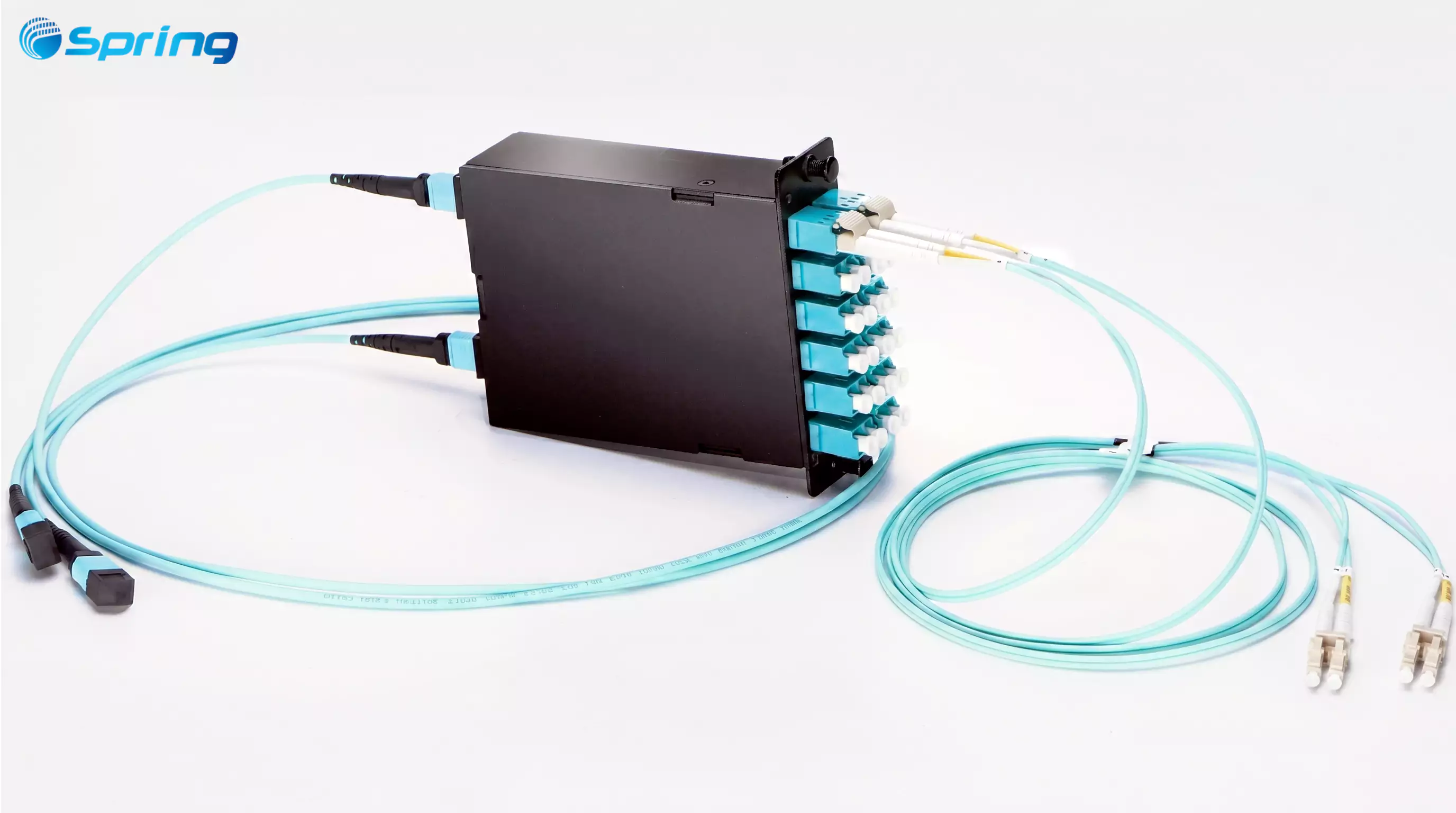
MTP Trunk Cables and Patch Cords: The core components of the installation, available in various configurations and fiber counts to satisfy specific network demands.
MTP Cassette Modules: Essential for housing MTP connectors, these modules provide convenient breakout points from MTP to LC or SC connections within patch panels or enclosures.
Fiber Optic Strippers & Cleavers: Specialized tools engineered to prepare bulk cable when performing on-site splicing or termination.
Test Equipment: Optical testing instruments such as Optical Time Domain Reflectometers (OTDRs) and multi-fiber optical power meters to verify post-installation functionality and pinpoint any faults within the system.
MTP Cleaning Kits: To maintain pristine connector end-faces and ensure high-quality signal transmission, a comprehensive cleaning kit containing lint-free wipes, isopropyl alcohol, and specialized fiber cleaning pens is required.
5. MTP Cable Standards and Performance Specifications
MTP Cable Types: OM3, OM4, OM5, and Single-Mode
Choosing the right fiber grade is critical for optimizing network performance and bandwidth scalability over specific target distances.
| Fiber Type | Core/Cladding (μm) | Modal Bandwidth (MHz⋅km) | 10GbE Max Distance | 40G/100GbE Max Distance | Top Applications |
| OM3 (Multimode) | 50 / 125 | 2000 | 300m | 100m | Legacy Enterprise Networks |
| OM4 (Multimode) | 50 / 125 | 4700 | 400m | 150m | Mainstream Data Centers |
| OM5 (Multimode) | 50 / 125 | 5000 | 400m (via SWDM) | 200m (via SWDM) | Next-Gen Wideband Centers |
| OS2 (Single-Mode) | 9 / 125 | Practically Unlimited | Over 10km | Over 10km | Telco Backbones & MANs |
The Importance of Plenum-Rated MTP Cables
Plenum-rated MTP cables (OFNP) are of paramount importance when installations occur in air-handling spaces (plenum zones) where fire codes are strictly enforced. The materials used to manufacture these cable jackets emit significantly less smoke and are highly flame-retardant, helping to prevent the spread of hazards within these areas. Using plenum-rated MTP cables ensures compliance with regulations such as the National Fire Protection Association (NFPA) and local building codes, safeguarding both the installation and the building's occupants. These specialized cables are also engineered to withstand environmental factors associated with HVAC systems, making the network more reliable.
6. Frequently Asked Questions About MTP Cables
How to Test and Verify MTP Connections
To test the integrity and performance of MTP connections, an optical power meter paired with a stabilized light source, or an Optical Time Domain Reflectometer (OTDR), should be utilized. First, clean all connector end-faces thoroughly to prevent contaminants from skewing the measurements. Next, connect the light source to one end of the MTP cable and the optical power meter to the opposite end using matching reference test cords. Verify whether the measured optical power levels fall within the acceptable parameters defined by your system insertion loss budget. For a more detailed diagnostic analysis, use an OTDR to identify potential faults along the fiber path, such as breaks or severe macrobends that degrade performance.
Transceiver Compatibility with MTP Fiber Optic Cables
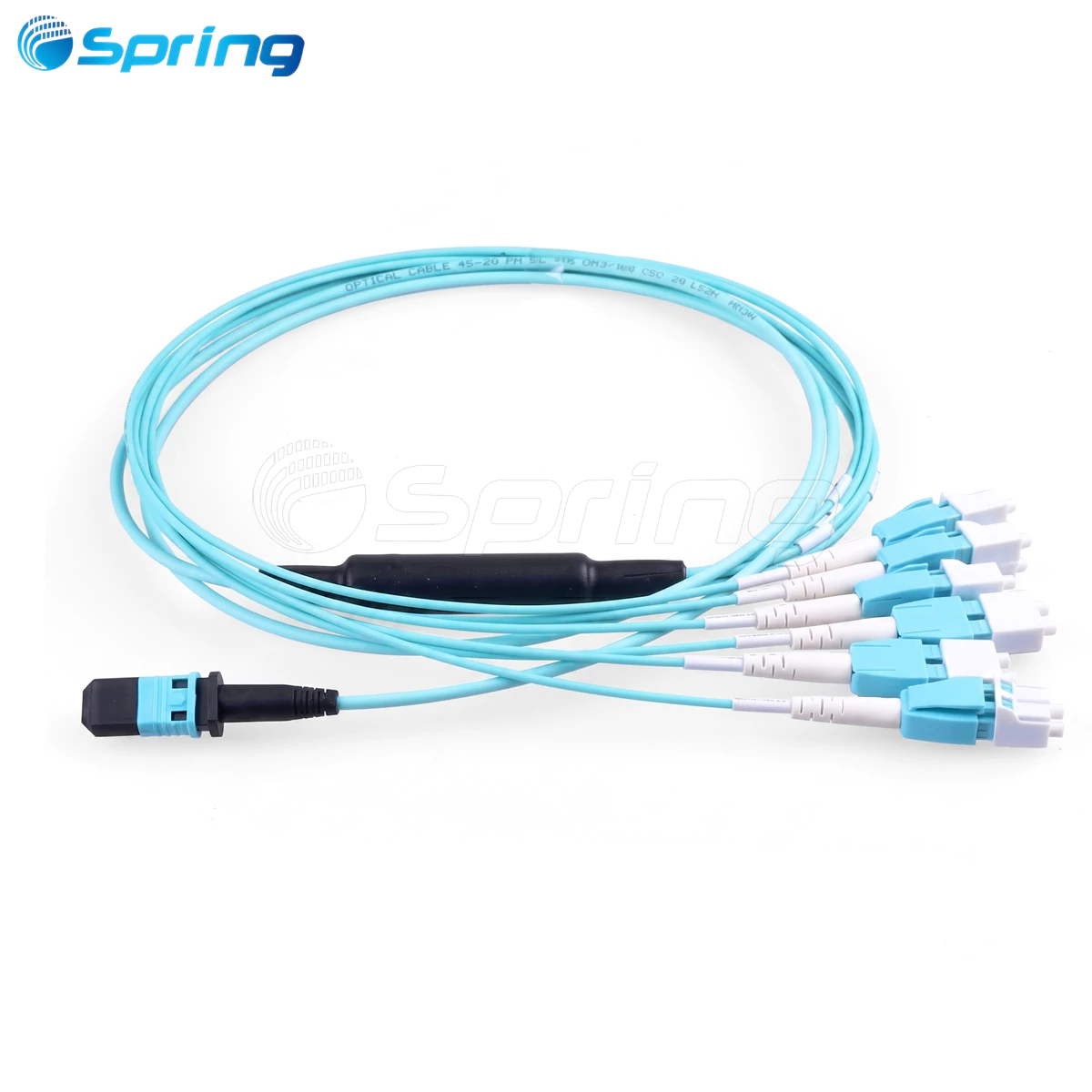
For high-density data center applications, MTP fiber optic cables interface seamlessly with a wide array of transceiver types. Most modern transceivers utilize 10G, 40G, 100G, and even 400G/800G standards, all of which align perfectly with MTP connectors. Commonly compatible transceiver modules include SFP+ for 10G links, and QSFP+ or QSFP28 for 40G and 100G connections. These modules utilize MTP connectors to create breakout configurations (e.g., 1×MTP to 4 ×LC) or aggregated links that consolidate multiple fibers within a single interface. It is absolutely critical to ensure that the optical specifications of the transceiver match the MTP cable being used-particularly regarding single-mode versus multimode compatibility and the correct wavelength for the specific application.
Conclusion & Next Steps
Implementing a high-density MTP fiber optic system is a major leap toward future-proofing your network bandwidth. However, selecting the precise configuration-from fiber counts (8, 12, 24, or 16 fibers) to polarity models and outer jackets (LSZH vs. Plenum)-requires dedicated manufacturing expertise.
As a leading manufacturer and exporter of premium optical communication products, Spring Optical offers custom-engineered MTP/MPO solutions, including high-density trunk cables, specialized breakout patch cords, and modular cassettes, all rigorously tested for ultra-low insertion loss.
📞 Looking for reliable MTP connectivity for your next data center deployment or ISP infrastructure project? Contact Spring Optical Specialists Today for a free technical consultation or to request custom engineering samples!