



Spring Optical Communication is one of the largest and best fabric innerduct for telecom & fiber optic cable deployment manufacturers and suppliers with rich experience. Welcome to buy our high quality products or wholesale our customized fabric innerduct for telecom & fiber optic cable deployment in stock with our factory. Also, free sample is also available if necessary.
Fabric Innerduct is a flexible textile-based conduit solution designed for fiber optic and communication cable deployment inside telecom conduits. It improves conduit utilization, reduces cable pulling tension, supports scalable network expansion, and enables organized cable routing in FTTH, OSP, and broadband infrastructure projects.
Product Overview
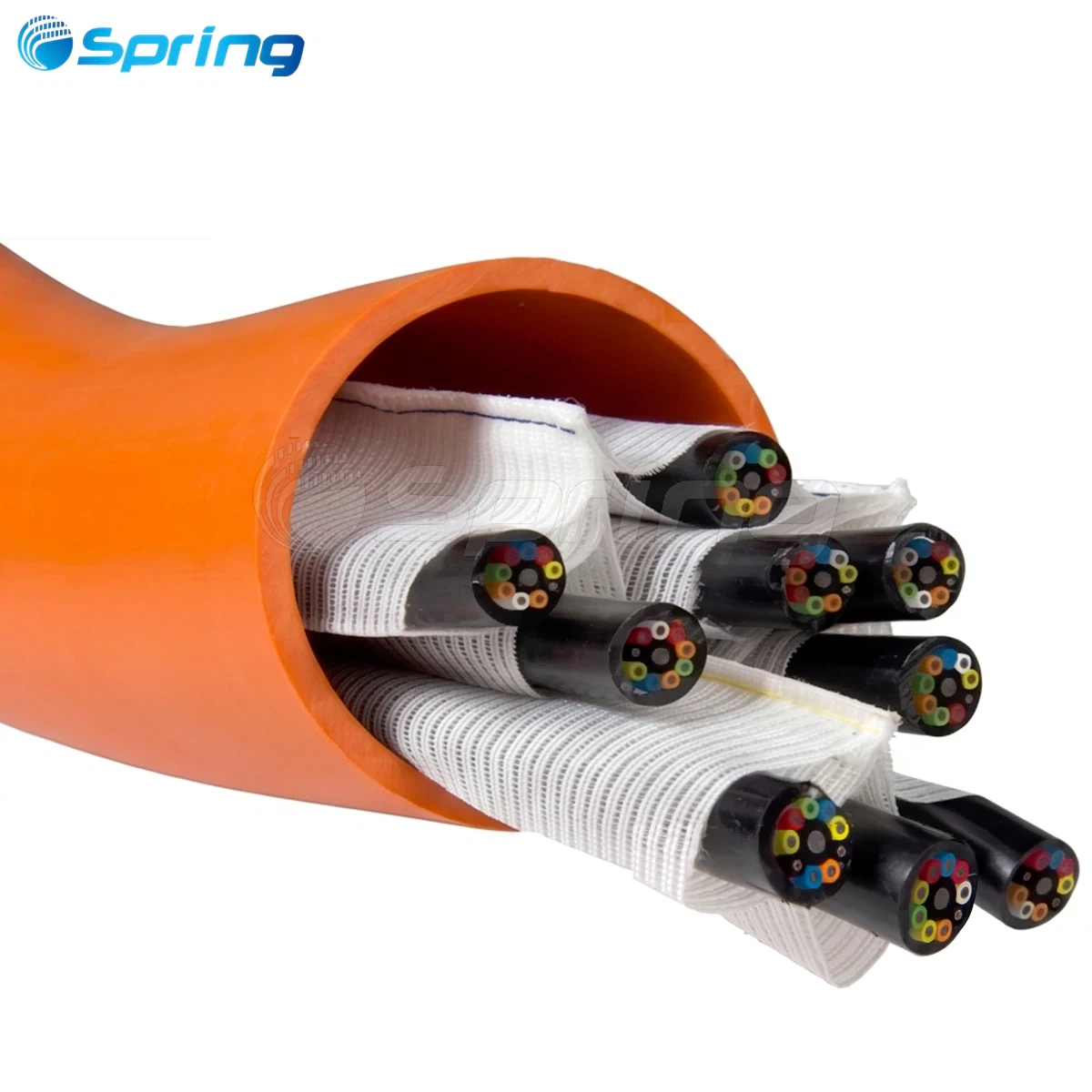
Fabric Innerduct is a high-performance textile conduit solution engineered for organizing and protecting fiber optic cables inside existing telecom conduits and underground duct systems. It is widely used in FTTH networks, OSP fiber deployments, broadband infrastructure, telecom backbone systems, and data center cable routing applications where conduit space optimization and scalable cable management are essential.
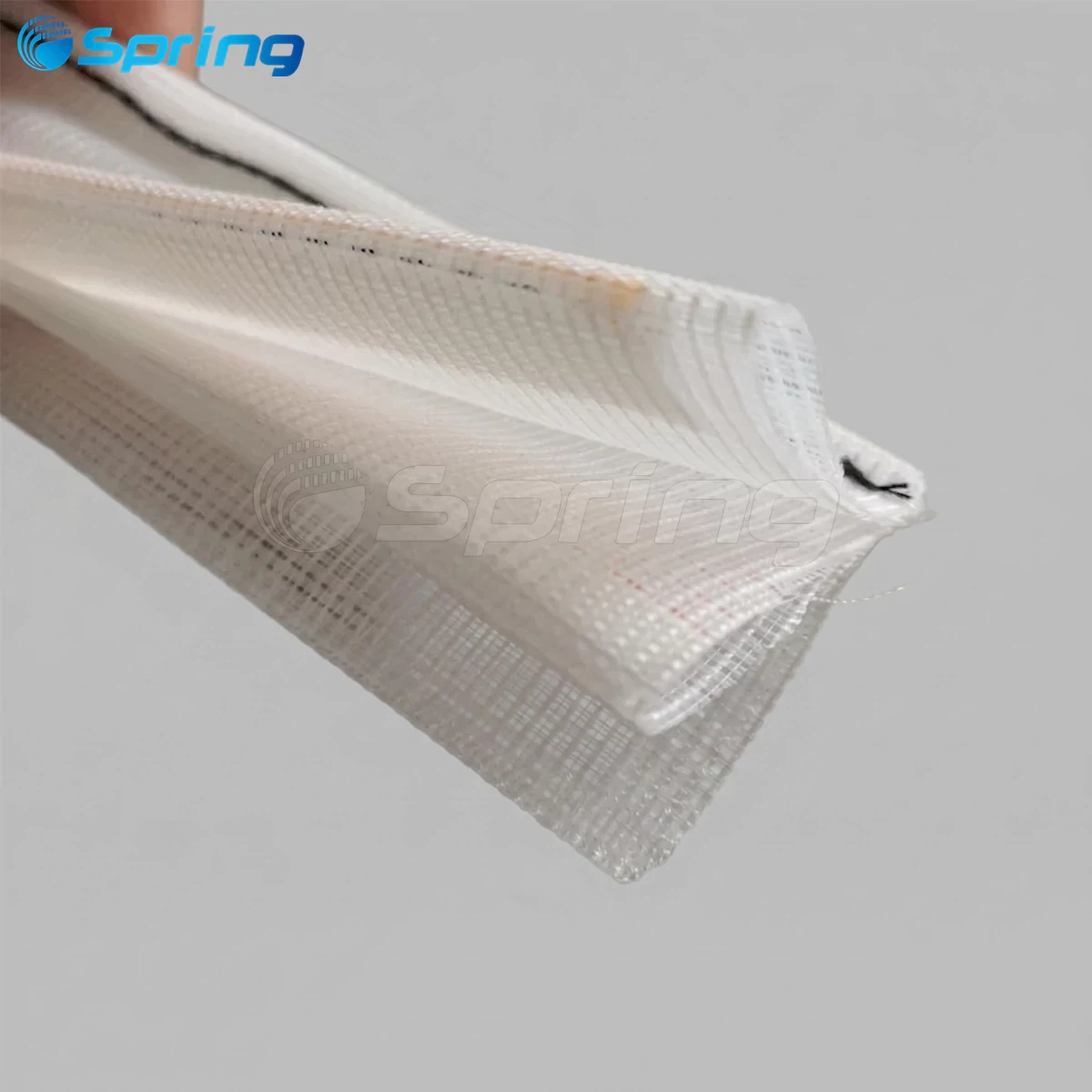
Manufactured from soft high-strength polymer materials and macromolecule chemical fibers, Fabric Innerduct provides a lightweight yet durable structure that minimizes cable pulling tension during installation while significantly increasing conduit utilization. Compared with traditional rigid PE sub-ducts, the woven textile structure offers superior flexibility, easier handling, and faster deployment in congested telecom environments.
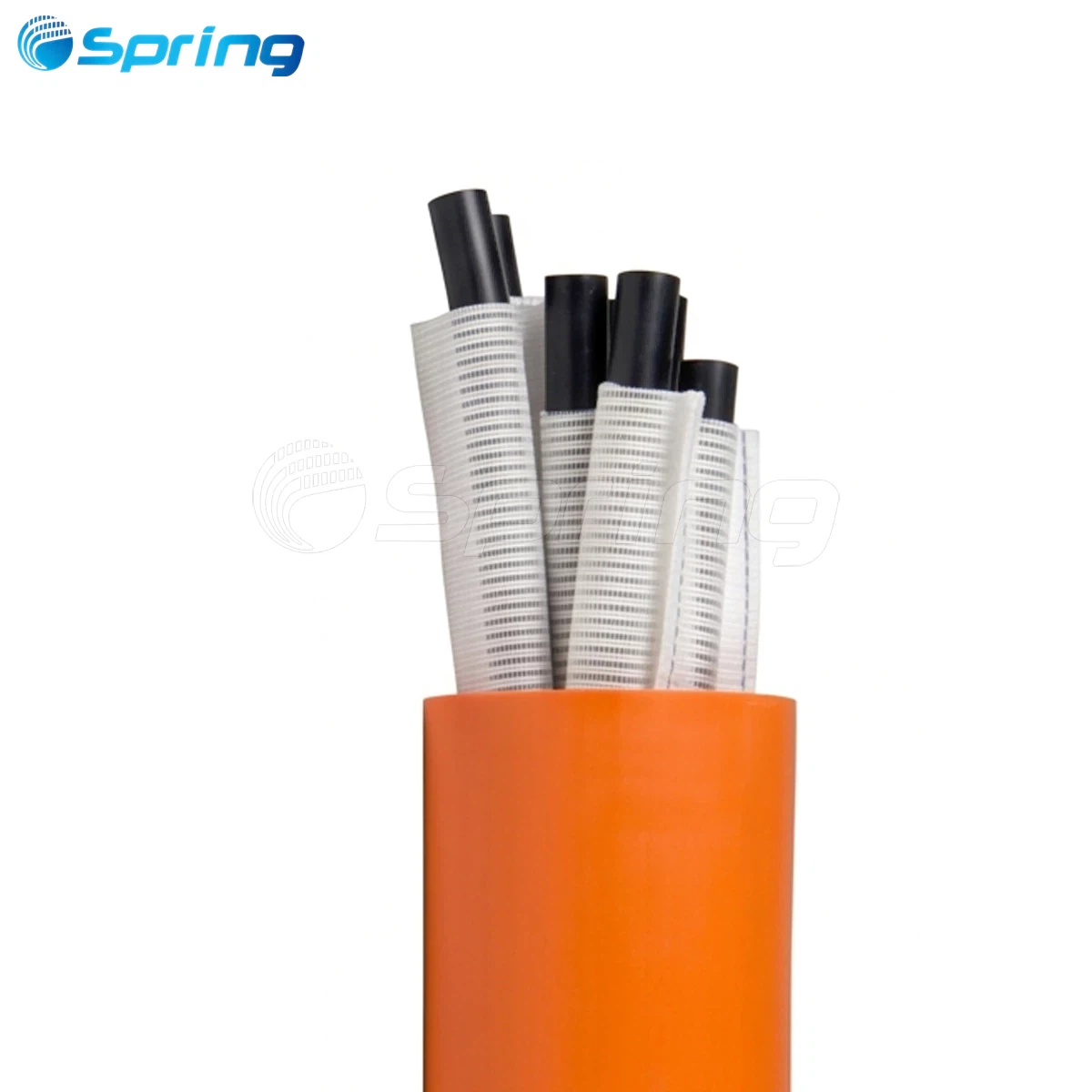
The most commonly deployed configuration is the 3 Cell Fabric Innerduct, which divides conduit space into multiple organized cable pathways for improved cable separation and future network scalability. Additional configurations including 1-cell, 2-cell, and 4-cell structures are also available based on project requirements.
Integrated pull tapes simplify long-distance cable installation and reduce labor intensity during telecom construction. Multiple customized structures including horizontal integration, multi-layer overlapping, and reinforced high-strength designs are available for large-scale communication infrastructure projects.
Spring Optical Fabric Innerduct is designed to help telecom operators, ISPs, contractors, and network integrators reduce civil engineering costs, improve conduit efficiency, and support long-term fiber network expansion.
What is Fabric Innerduct?
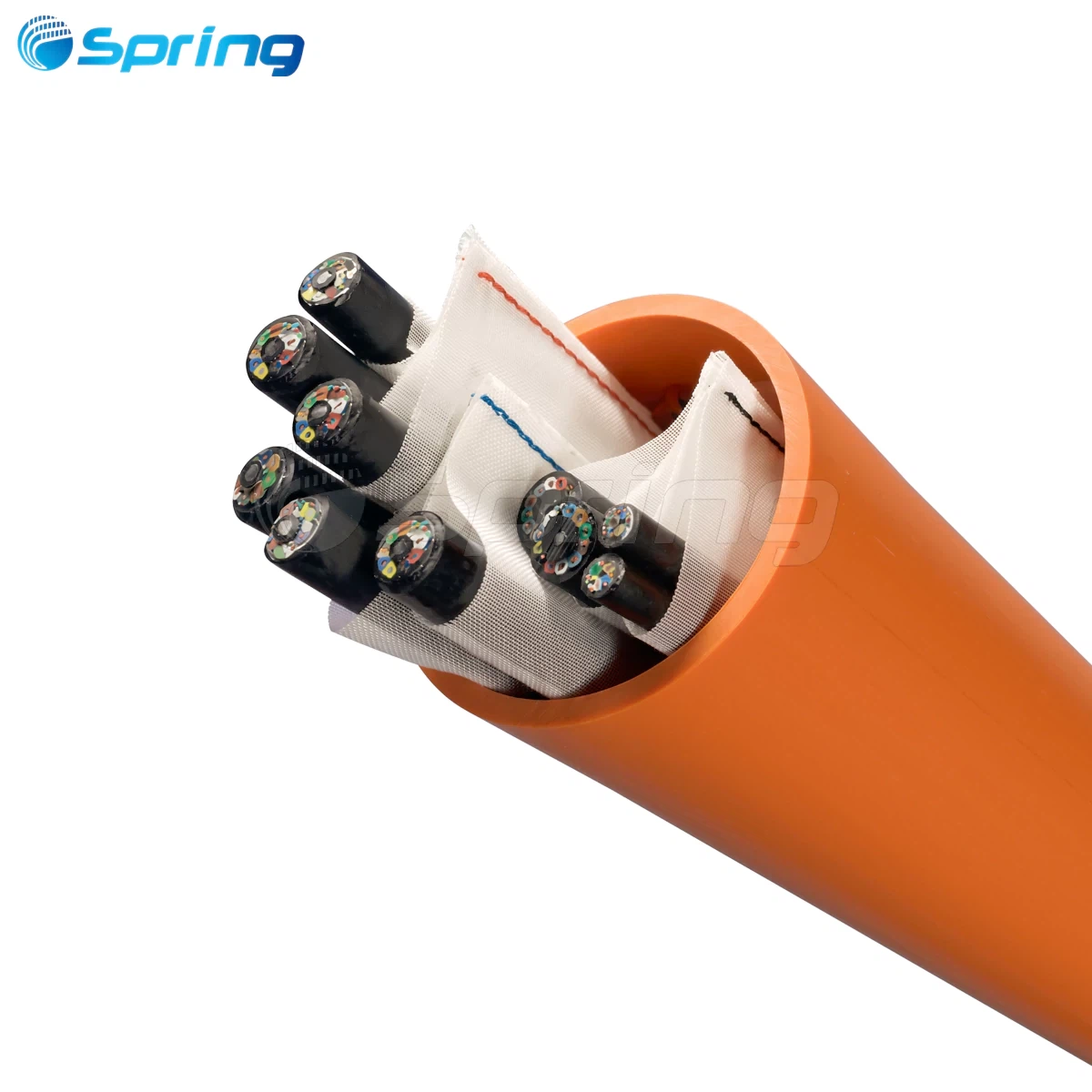
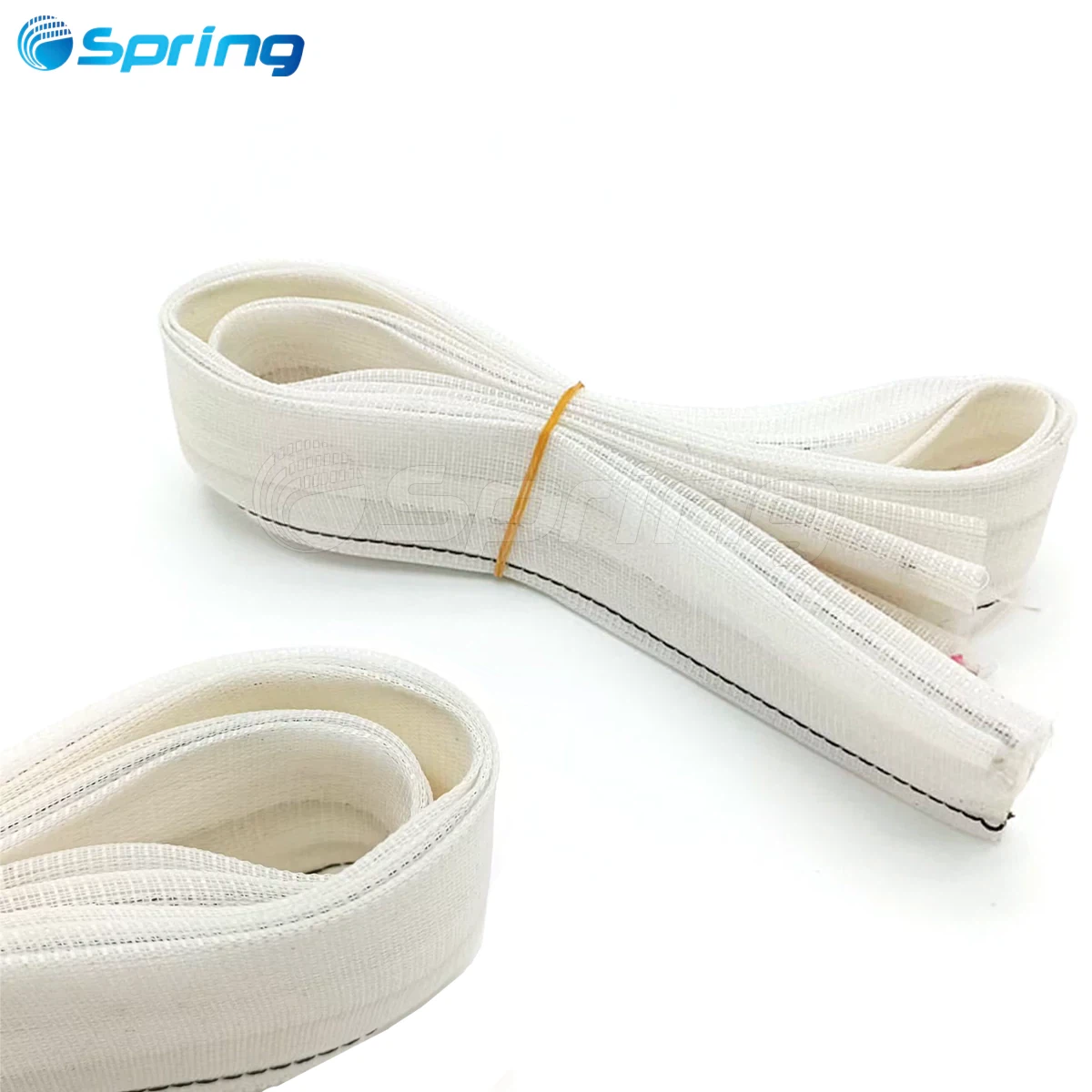
Fabric Innerduct is a flexible textile-based inner duct solution designed for communication cable deployment inside existing conduits and underground pathways. It is manufactured from soft high-strength materials such as polymer fibers and macromolecule chemical fibers to provide organized cable routing, conduit space optimization, and long-term cable protection in telecom infrastructure.
Unlike traditional rigid PE sub-ducts, Fabric Innerduct offers a lightweight and highly flexible structure that reduces cable pulling tension while maximizing conduit utilization. It is widely used in FTTH, OSP, broadband, and telecom backbone networks where multiple fiber optic cables need to be deployed efficiently within limited conduit space.
The inner duct structure typically includes integrated pull tapes or traction tapes to simplify cable installation and improve deployment efficiency during long-distance fiber optic construction.
Fabric Innerduct Structural Design
The basic structural unit of Fabric Innerduct consists of:
Cell
Pull Tape (Traction Tape)
The most common configuration in communication networks is the 1 Cell & 1 Tape structure. To support high-density telecom deployments, Spring Optical also provides customized configurations including:
Multiple cells
Multiple pull tapes
Horizontal integrated structures
Multi-layer overlapping structures
Reinforced metal wire integration
High-strength customized designs
These configurations improve conduit organization, cable separation, airflow management, maintenance accessibility, and future network scalability for telecom and fiber optic infrastructure projects.
Key Features
Telecom-grade Fabric Innerduct for fiber optic conduit management
3 cell fabric innerduct design improves conduit utilization by up to 300%
Low-friction woven textile structure reduces cable pulling tension
Flexible construction eliminates bending memory and conduit curling
Integrated pull tapes simplify long-distance cable installation
High tensile strength protects cables and conduit infrastructure
Supports future bandwidth expansion without additional excavation
Fast installation reduces deployment time and labor cost
Halogen-free material suitable for telecom infrastructure environments
Long service life of up to 50 years in communication pipelines
Technical Specifications
| Parameter | Specification |
|---|---|
| Product Type | Fabric Innerduct / Textile Innerduct |
| Material | Polymer fiber / Macromolecule chemical fiber |
| Structure Type | Woven textile conduit |
| Cell Options | 1 Cell / 2 Cell / 3 Cell / 4 Cell |
| Standard Configuration | 1 Cell & 1 Pull Tape |
| Pull Tape | Integrated |
| Standard Reel Length | 2,000 meters per wooden drum |
| Working Temperature | -30°C to +100°C |
| Melting Point | >215°C |
| Halogen-Free | Yes |
| Service Life | 25–50 years |
| Ductility | Less than 2% under 50kg tensile force |
| Seam Tear Strength | ≥80N/cm |
| Traction Rope Strength | Flat ≥565kg / Round ≥450kg |
| Sewing Density | ≥2.0 ±0.2 stitches/cm |
| Application | FTTH / OSP / Telecom / Data Center |
| Installation Method | Pull-through conduit deployment |
| Compliance | Telecom infrastructure standards |
Dimensions Table
| Item # | Cable Max Diameter (mm) | Hole Perimeter | Hole Diameter | Overall Width A | Seam Width B | Fold Width C |
|---|---|---|---|---|---|---|
| SP8638-x | 38 | 163 | 52 | 86 | 4 | 8 |
| SP6428-x | 28 | 121 | 38 | 64 | 4 | 8 |
| SP5624-x | 24 | 103 | 33 | 55 | 4 | 8 |
| SP5222-x | 22 | 97 | 31 | 52 | 4 | 8 |
| SP4418-x | 18 | 81 | 26 | 44 | 4 | 8 |
| SP3614-x | 14 | 65 | 21 | 36 | 4 | 8 |
| SP3212-x | 12 | 56 | 18 | 32 | 4 | 8 |
| SP2810-x | 10 | 49 | 15 | 28 | 4 | 8 |
Tensile Strength Performance
| Item # | Tensile Strength |
|---|---|
| SP8638-1 | >760kg |
| SP8638-2 | >1440kg |
| SP8638-3 | >2120kg |
| SP6428-1 | >592kg |
| SP6428-2 | >1104kg |
| SP6428-3 | >1616kg |
| SP5222-1 | >496kg |
| SP5222-2 | >900kg |
| SP5222-3 | >1300kg |
| SP4418-1 | >432kg |
| SP4418-2 | >784kg |
| SP4418-3 | >1136kg |
| SP3614-1 | >368kg |
| SP3614-2 | >650kg |
| SP3614-3 | >940kg |
| SP3212-1 | >332kg |
| SP3212-2 | >584kg |
| SP3212-3 | >836kg |
| SP2810-1 | >304kg |
| SP2810-2 | >528kg |
| SP2810-3 | >752kg |
Product Variants
Cell Configurations
1 Cell Fabric Innerduct
2 Cell Fabric Innerduct
3 Cell Fabric Innerduct
4 Cell Fabric Innerduct
Popular Size Options
2 Inch 3 Cell Fabric Innerduct
2.2 Inch 3 Cell Fabric Innerduct
3 Inch 3 Cell Fabric Innerduct
4 Inch 3 Cell Fabric Innerduct
Custom Manufacturing Options
Custom logo printing
OEM/ODM production
Custom reel length
Custom tensile structure
Reinforced wire integration
Multi-layer overlapping design
Project-specific dimensions
Fabric Innerduct Applications
FTTH Network Deployment
Fabric Innerduct is widely used in FTTH infrastructure to separate feeder cables, distribution cables, and drop cables inside shared conduits while improving cable management efficiency.
Telecom Backbone Networks
Used in metropolitan and long-haul telecom infrastructure where conduit capacity expansion is required without additional excavation.
OSP Fiber Optic Cable Installation
Suitable for underground conduit systems and outdoor communication cable pathways requiring organized cable routing and low pulling tension.
Data Center Infrastructure
Supports structured cable organization and high-density fiber routing inside data center cable pathways and backbone conduits.
Enterprise Broadband Networks
Used by ISPs and broadband operators for scalable cable deployment and future network expansion.
Optical Distribution Network (ODN)
Improves ODN pathway management by dividing conduit space into multiple organized cable channels.
Typical Network Architecture
A typical Fabric Innerduct deployment in telecom infrastructure includes:
Central Office OLT or Core Switch
Main underground telecom conduit
Fabric Innerduct installed inside the conduit
Trunk fiber optic cable routed through dedicated cells
Distribution fiber cables separated into independent pathways
Fiber splice closure or patch panel connection
MPO cassette or terminal box distribution
FTTH subscriber connection or enterprise broadband access device
This structured deployment architecture improves cable organization, simplifies maintenance, supports future expansion, and increases conduit utilization efficiency.
Fabric Innerduct Installation Method
Fabric Innerduct is designed for fast and efficient telecom conduit deployment.
Installation Process
Prepare existing conduit pathway
Pull Fabric Innerduct through conduit using traction rope
Secure innerduct structure at access points
Install fiber optic cables into dedicated cells
Route cables toward splice closure, patch panel, or terminal box
Complete cable organization and identification
The lightweight textile structure enables easier handling compared with traditional HDPE sub-duct systems.
Product Advantages
| Advantage | Description |
|---|---|
| High Density | Maximizes conduit utilization for multi-cable deployment |
| Fast Deployment | Flexible textile structure accelerates installation |
| Low Installation Cost | Reduces civil engineering and conduit expansion cost |
| Low Friction | Reduces cable pulling tension during installation |
| Scalability | Supports future telecom network expansion |
| Long-Term Reliability | 25–50 year design life |
| Flexible Structure | No bending memory or curling |
| Cable Protection | High tensile strength protects fiber cables |
| Space Optimization | Improves conduit management efficiency |
Comparison Table
| Feature | Fabric Innerduct | Traditional PE Sub-Duct |
|---|---|---|
| Flexibility | Excellent | Moderate |
| Installation Speed | Fast | Slower |
| Conduit Utilization | High | Limited |
| Cable Separation | Multi-cell structure | Single pathway |
| Pulling Friction | Low | Higher |
| Space Efficiency | Excellent | Moderate |
| Future Expansion | Easy | Limited |
| Transportation | Lightweight | Heavier |
| Installation Labor | Reduced | Higher |
FAQ
What is Fabric Innerduct?
Fabric Innerduct is a textile-based conduit system designed to organize and protect fiber optic cables inside telecom conduits.
What is 3 cell fabric innerduct?
3 cell fabric innerduct divides a conduit into three independent cable pathways for higher cable density and improved cable management.
What are the advantages of Fabric Innerduct?
It improves conduit utilization, reduces installation cost, lowers cable pulling tension, and supports future network expansion.
Where is Fabric Innerduct used?
It is widely used in FTTH, OSP fiber networks, telecom backbone infrastructure, and data center cable routing systems.
Does Fabric Innerduct support custom designs?
Yes. Spring Optical supports OEM/ODM manufacturing and customized cell structures, dimensions, and reel lengths.
What is the standard reel length?
The standard packaging length is 2,000 meters per wooden drum.
Is reinforced structure available?
Yes. Reinforced metal wire integration and high-strength customized designs are available.
What is the service life?
The expected service life is approximately 25–50 years in communication pipeline environments.
Manufacturer Introduction
Spring Optical is a professional fiber optic communication manufacturer serving global telecom operators, ISPs, distributors, and network infrastructure contractors.
The company operates dedicated production workshops including MPO/MTP production lines, fiber optic cable factories, patch cord production facilities, PLC splitter workshops, adapter manufacturing lines, and telecom connectivity assembly systems.
With strict quality control procedures and advanced testing systems, Spring Optical delivers telecom-grade fiber optic products for FTTH, FTTA, ODN, broadband, and data center infrastructure projects worldwide.
Spring Optical supports OEM/ODM manufacturing, customized engineering solutions, private label production, and project-based telecom deployment requirements. All products undergo comprehensive inspection and performance testing to ensure long-term reliability and stable network operation.
Packing & Shipping
Packaging
Standard 2,000-meter reel
Wooden drum packaging
Moisture-resistant wrapping
Export-grade protective packaging
Storage Conditions
Store in dry and ventilated environments
Avoid direct sunlight exposure
Recommended storage temperature: -10°C to +40°C
Shipping Methods
Sea freight
Air freight
Express logistics
Palletized export shipment available
Handling Precautions
Avoid excessive compression during transportation
Prevent sharp bending during unloading
Keep packaging sealed before installation
Contact Spring Optical for technical consultation, OEM customization, or project-based Fabric Innerduct solutions for telecom and fiber optic infrastructure deployments.
Hot Tags: Fabric Innerduct,3 cell fabric innerduct,textile innerduct,woven fabric innerduct,fiber optic innerduct,telecom fabric duct,conduit,innerduct solution,OSP cable innerduct,multi-cell fabric innerduct,communication cable inner duct


