

Introduction
In modern FTTH (Fiber to the Home) and ODN (Optical Distribution Network) deployments, network operators and telecommunication providers are under constant pressure to accelerate rollout times, control labor costs, and minimize field installation errors. Among all passive components in an optical network, the fiber termination point is one of the most sensitive nodes, directly affecting overall link performance and long-term network stability.
Field connector termination often introduces high variability due to technician skill levels, unpredictable environmental conditions, and inconsistent polishing quality. Even minor inconsistencies can significantly increase Insertion Loss (IL) and lead to unstable network performance over time.
Fiber optic pigtails solve this operational bottleneck by shifting the most critical optical interface-the connector-from the unpredictable field to a controlled factory environment. Featuring pre-polished, factory-tested connectors on one end and fusion-splice-ready bare fibers on the other, pigtails enable standardized, repeatable, and ultra-low-loss fiber termination in structured FTTH and ODN architectures.
This comprehensive engineering guide explains how fiber optic pigtails function in real-world FTTH networks, where they are deployed within the ODN infrastructure, how to select the right specification, and why they significantly reduce the Total Cost of Ownership (TCO) for internet service providers (ISPs).
What Is a Fiber Optic Pigtail? (System-Level View)
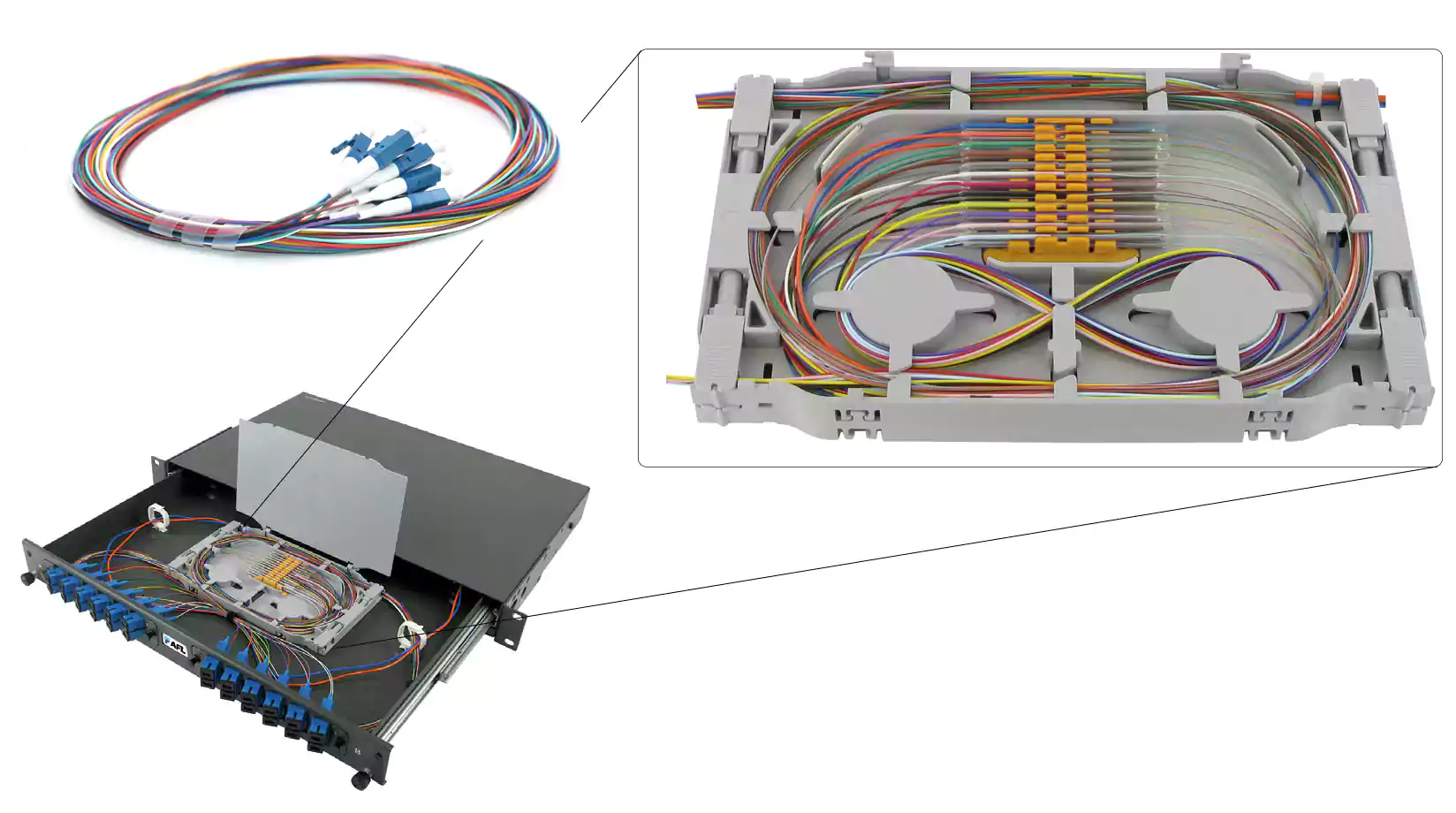
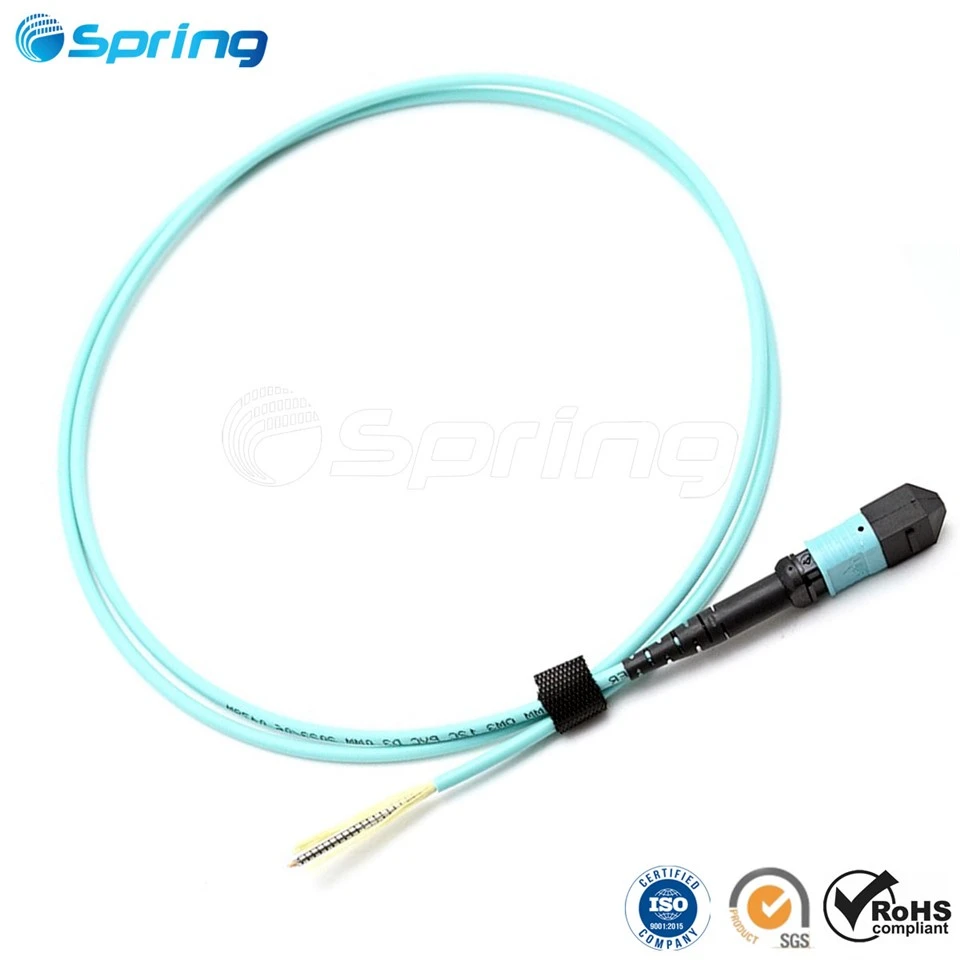
A fiber optic pigtail is a short, single-stranded optical fiber assembly that features:
One End: Pre-terminated with a factory-polished connector.
The Other End: Left as bare fiber, prepared for fusion or mechanical splicing to the feeder or distribution cable.
Unlike a fiber patch cord, a pigtail is not designed for direct, temporary device-to-device connectivity. Instead, it serves as a permanent, high-performance termination interface component inside structured fiber housing units.
Role in FTTH & PON Architecture
In FTTH and Passive Optical Network (PON) systems, pigtails are installed at critical, structured termination points to bridge the gap between outdoor plant cables and optical splitting components:
ODF (Optical Distribution Frame)
Fiber Optic Splice Closures (FOSC)
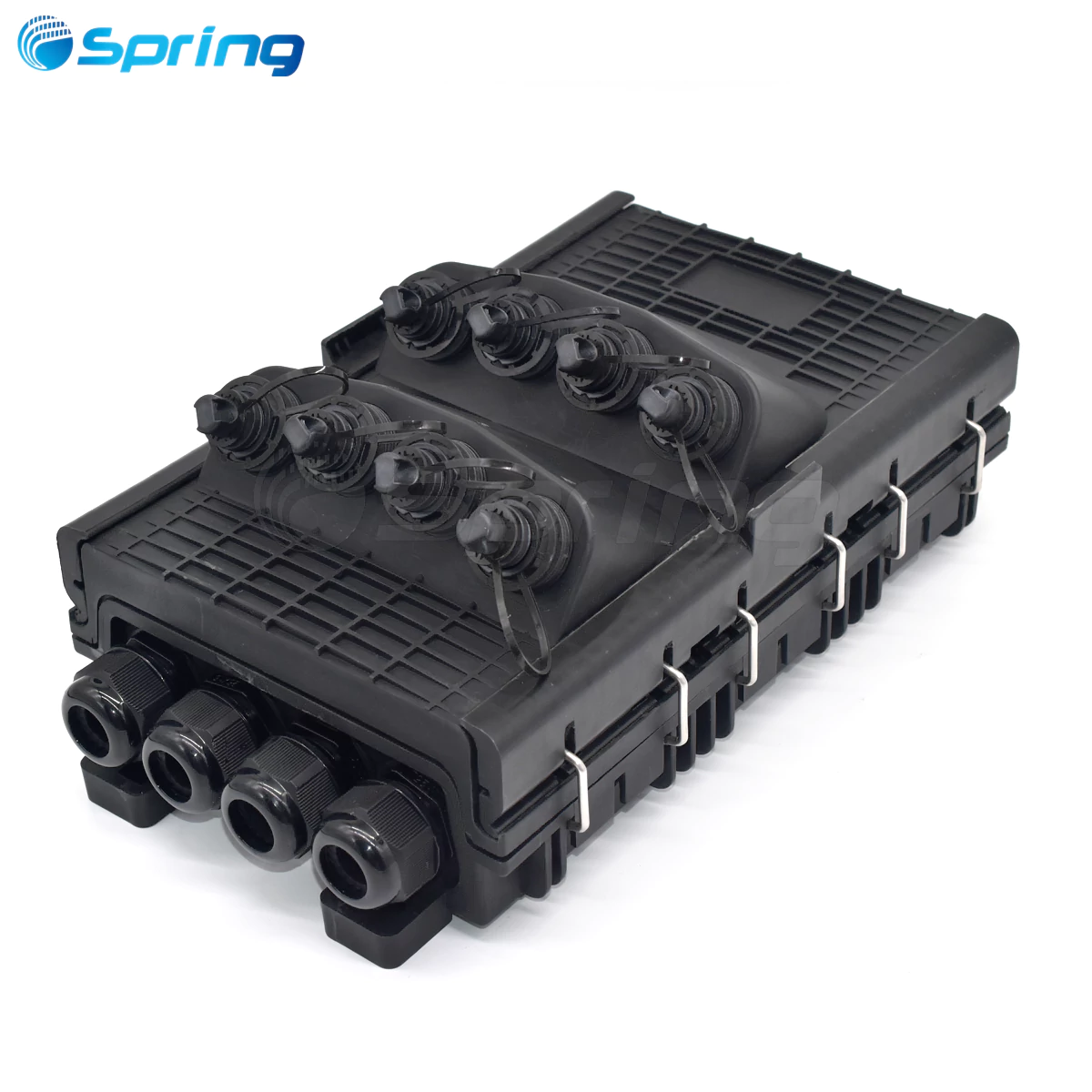
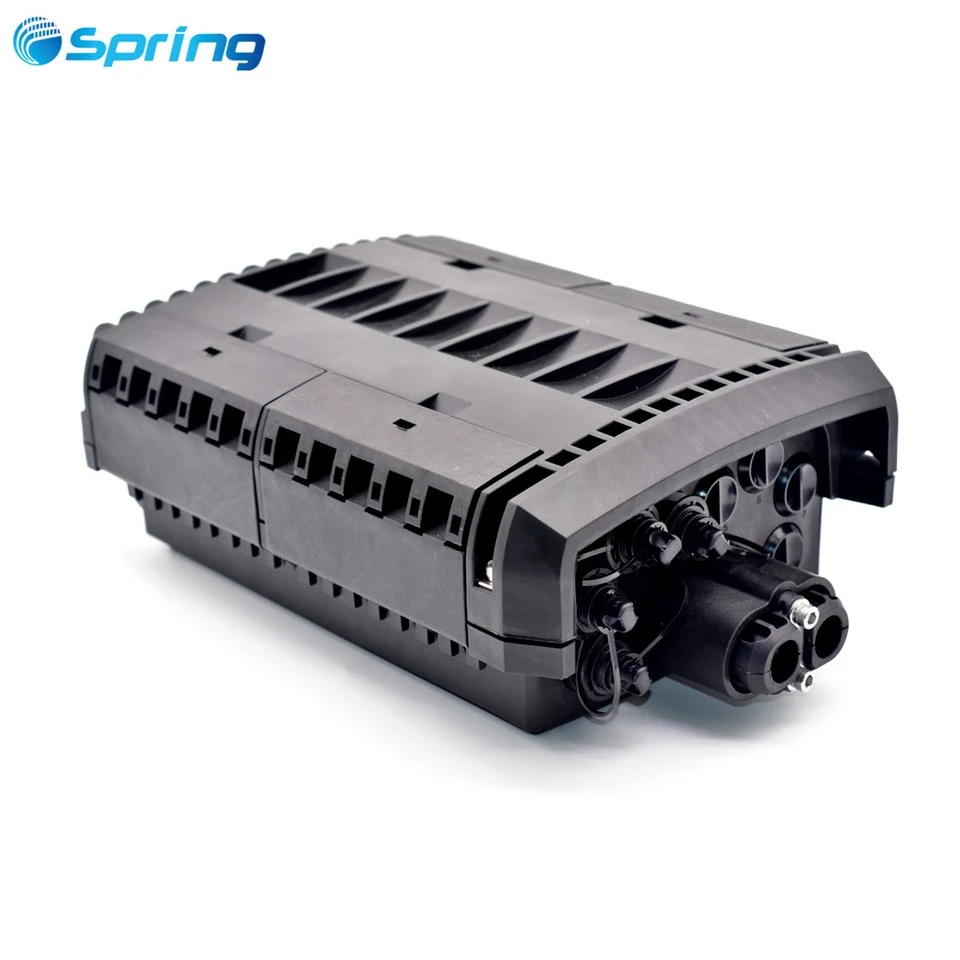
Fiber Terminal Boxes / Distribution Boxes (FDB)
MST (Multi-Service Terminal) Boxes
Standard Signal Path in a PON Link:
OLT → ODF → Feeder Cable → Splice Closure → Fiber Pigtail → Terminal Box → Subscriber Drop Cable
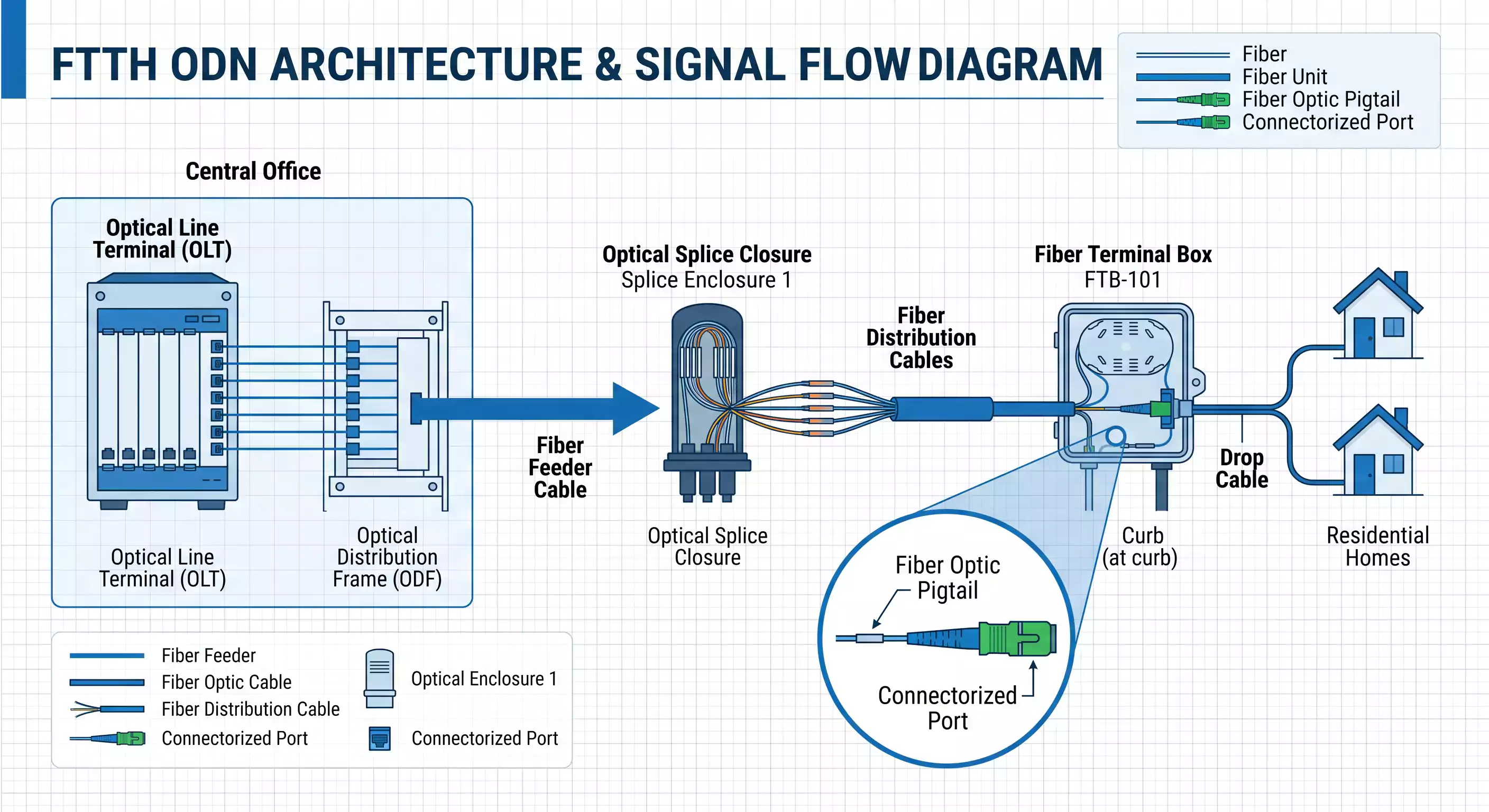
By incorporating pigtails at these nodes, network architects ensure:
Factory-Controlled Quality: Eliminates the risk of poor manual polishing in the field.
Minimized Insertion Loss: Consistently achieves optimal optical performance.
Standardized Interfaces: Ensures cross-compatibility across all network layers.
Why Fiber Pigtails are Essential in Modern Rollouts
Stable Optical Performance: Guarantees predictable attenuation limits.
High Return Loss (RL) Consistency: Crucial for high-bandwidth video and data streams.
Skill Independence: Reduces the need for highly specialized field termination technicians.
Rapid Scale: Drastically speeds up large-scale FTTH deployments.
Core Applications
FTTH access networks and FTTP infrastructure
ODN backbone, feeder, and distribution layers
Data center structured cabling systems
5G fronthaul networks (C-RAN architecture)
CATV optical transport networks
Fiber Pigtail vs. Patch Cord: Engineering Decision Matrix

Choosing between a pigtail-and-splice method and a patch cord patch-panel approach is a foundational engineering decision during the network design phase.
| Feature / Metric | Fiber Optic Pigtail | Fiber Patch Cord |
| Structural Design | 1 Factory Connector + 1 Bare Fiber end | 2 Factory Connectors (Both ends terminated) |
| Installation Method | Permanent Fusion or Mechanical Splicing | Plug-and-Play Quick Connection |
| Primary FTTH Usage | Inside ODFs, Splice Closures, Terminal Boxes | Cross-connects, Device-to-Panel patching |
| Mechanical Protection | Typically 0.9 mm tight-buffer or loose-tube | Typically 2.0 mm or 3.0 mm ruggedized jackets |
| Long-Term Reliability | High (Splicing isolates the point of failure) | Medium (Prone to mating wear and contamination) |
Cost & Labor Comparison
Deploying a pigtail-based architecture reduces the need for expensive field-polishing consumables and decreases connector failure rates. While fusion splicing requires upfront investment in fusion splicer equipment, it significantly mitigates long-term rework, troubleshooting, and maintenance costs in large-scale FTTH rollouts.
Where Fiber Pigtails Are Deployed in FTTH Networks
Fiber optic pigtails are embedded inside protected enclosures across various segments of the ODN.
1. MST Box Applications
In Multi-Service Terminals (MST) or hardened connector boxes used in aerial or underground drops, pigtails are utilized to:
Terminate ruggedized distribution fibers inside sealed, weatherproof enclosures.
Provide robust SC/APC or LC/APC interface ports for subscriber drop connections.
Enable scalable, modular multi-subscriber access points.
2. Fiber Terminal Box / Distribution Box Usage
Inside indoor or outdoor Fiber Distribution Boxes (FDB), pigtails play a vital role:
They convert incoming multi-core feeder or distribution cables into individual subscriber-access ports.
The bare end is spliced to the outdoor plant fiber, while the connector end plugs directly into internal adapter panels.
3. Splice Closure Integration
In harsh outdoor environments, Fiber Optic Splice Closures (FOSC) utilize specialized pigtails to:
Transition loose-tube trunk cables into connectorized sub-systems.
Ensure fusion splice trays remain organized and mechanically protected.
Allow easy expansion and re-routing of optical distribution lines.
Fiber Optic Pigtail Types & Classifications

To ensure compatibility with existing network equipment, pigtails are classified into distinct categories based on fiber mode, connector style, polish type, and mechanical structures.
Single-mode vs. Multimode
Single-mode (OS2 - 9/125µm): The absolute standard for FTTH, telecom networks, and long-distance transmission. It features ultra-low attenuation (typically≦ 0.35dB at 1310nm).
Multimode (OM3 / OM4 / OM5): Optimized for short-reach, high-speed applications such as data center structured cabling and enterprise Local Area Networks (LANs).
Note: In FTTH deployments, OS2 single-mode dominates due to its unlimited bandwidth capabilities over long distances.
Connector Types (SC, LC, FC, ST)
SC (Subscriber Connector): The reigning industry standard for FTTH and telecom networks due to its push-pull locking mechanism and excellent optical stability.
LC (Lucent Connector): A small form-factor (SFF) design, ideal for high-density applications inside data centers and compact central office ODFs.
FC & ST: Legacy connector types are primarily relegated to testing laboratories or industrial environments.
Modern ODN rollouts utilize SC and LC configurations for over 80% of all installations.
Polish Types: APC vs. UPC
Optical performance is heavily influenced by the end-face polish type:
UPC (Ultra Physical Contact - Blue): Flat polish, suitable for standard data transmission and enterprise networks. Return Loss ≧ 50dB.
APC (Angled Physical Contact - Green): 8-degree angled polish. This angle causes reflected light to escape into the fiber cladding rather than traveling back to the source. Return Loss ≧ 60 dB.
Critical for FTTH: APC is mandatory in PON and CATV networks because back reflections heavily degrade analog video signals and high-power laser sources.
[ UPC Polish: Flat Endface ] → Back reflections return straight to source (≧50dB)
[ APC Polish: 8° Angled ] → Back reflections escape into cladding (≧60dB) *Preferred for FTTH*
Armored vs. Waterproof Pigtails
Armored Pigtails: Feature a flexible stainless-steel tape or mesh under the jacket, providing superior rodent protection and crush resistance in indoor/outdoor pathways.
Waterproof/Hardened Pigtails: Equipped with water-resistant jackets and ruggedized connector housings (e.g., Mini-SC or ODVA interfaces) for deployment in extreme outdoor environments.
How to Select the Right Fiber Optic Pigtail: A Decision Framework
When specifying fiber pigtails for procurement, engineering teams should follow this multi-tier selection framework:
1. By Project Application
FTTH / FTTP Rollouts: Choose SC/APC Singlemode (OS2) 0.9mm pigtails.
Data Center Interconnects: Opt for LC/UPC or LC/APC Multimode/single-mode multi-pack pigtails.
5G Fronthaul / Aerial Drops: Implement Waterproof/Hardened SC/APC outdoor assemblies.
2. By Environmental Enclosure
Indoor ODFs / Patch Panels: Standard 0.9mm tight-buffer pigtails (color-coded for easy fiber identification).
Outdoor Cabinets & Cross-Connects: Armored or jacketed (2.0mm) pigtails to withstand temperature fluctuations and physical handling.
3. By Hardware Compatibility
Ensure the pigtail connector matches the exact footprint of the pre-installed adapter sleeves in your ODF panels, fiber distribution boxes, and active equipment ports.
4. By Link Loss Budget Limits
For tight optical budgets (such as high-split ratio XGS-PON networks), specify Grade A Ultra-Low Loss (ULL) pigtails with max insertion losses under 0.15 dB.
Fiber Pigtail Splicing Process (Engineering Workflow)
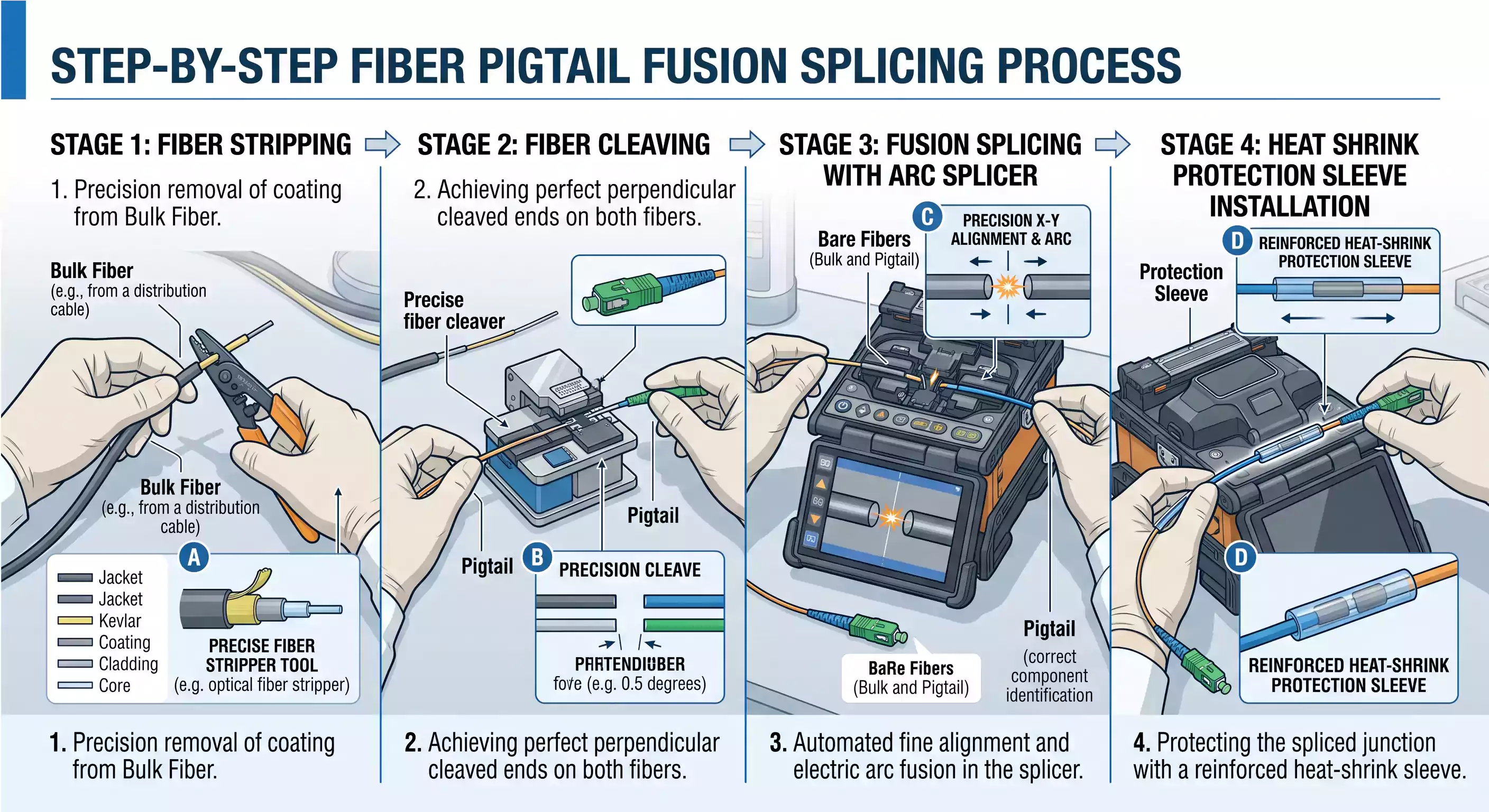
To achieve optimal link performance, field technicians must execute a standardized splicing workflow:
[1. Preparation] ──> [2. Stripping & Cleaning] ──> [3. Precision Cleaving] ──> [4. Fusion Splicing] ──> [5. OTDR Testing]
Fiber Preparation & Sleeving: Slip the heat-shrink protective sleeve onto the distribution fiber strand before stripping.
Stripping & Cleaning: Strip the 0.9 mm tight buffer of the pigtail and the coating of the outdoor cable using precision stripping tools. Clean the bare glass thoroughly using pure Isopropyl Alcohol (IPA) and lint-free wipes.
Precision Cleaving: Use a high-precision fiber cleaver to achieve a perfect 90-degree end-face angle, minimizing insertion loss.
Fusion Splicing: Place both fibers into the fusion splicer. Run the automatic alignment program and execute the electric arc fusion. Ensure the estimated splice loss meets target thresholds (≦ 0.02 dB).
Heat-Shrink Protection: Center the protection sleeve over the splice point and place it into the splicer's integrated heating oven to cure and reinforce the joint.
OTDR Verification Testing: Perform directional Insertion Loss (IL) and Return Loss (RL) testing using an OTDR or Light Source/Optical Power Meter (LSPM) setup to validate link integrity.
Cost Analysis: Why Pigtails Lower FTTH Total Cost of Ownership (TCO)
While buying pre-terminated pigtails adds a material line-item compared to buying bulk bare fiber and field connectors, the economic advantages on a macro deployment scale are clear.
Labor Efficiency: Splicing a pre-polished pigtail takes under 2 minutes, compared to 5–10 minutes for epoxy field polishing or manual mechanical connector assembly.
Rework Mitigation: Field-polished connectors frequently fail initial optical testing, requiring costly re-polishing or replacement. Factory-polished pigtails exhibit a near 100% first-pass yield.
Long-Term Reliability: Fusion splicing completely seals the optical transition, reducing the chance of moisture ingress, dust contamination, or mechanical shifting over a 20+ year lifespan.
FAQ
Why should I use fiber pigtails instead of field-installable connectors?
Factory-terminated and polished pigtails provide significantly lower insertion loss, excellent return loss consistency, and eliminate the human error associated with manual field polishing or fast-connectors.
Can fiber optic pigtails be reused?
No. Once a fiber pigtail is fusion-spliced to an outside plant cable, it becomes a permanent part of the physical network infrastructure. If broken or re-routed, the spliced portion must be cut off and a new pigtail spliced in its place.
Why is APC polish preferred over UPC polish in FTTH networks?
APC connectors feature an 8-degree angle that forces back-reflections into the fiber cladding rather than straight back to the transmitter. This high return loss (≧60 dB) is vital for preventing signal degradation in high-power PON architectures and RF video overlay systems.
What is the standard fiber length for an ODN pigtail?
The industry standard length for pigtails used in ODFs and distribution boxes is typically 1.5 meters to 2.0 meters, providing sufficient slack for routing within splice trays.
How do color-coding standards apply to multi-core pigtail kits?
Multi-core pigtail kits (such as 6-pack or 12-pack bundles) follow standardized color-coding schemes (like TIA-598-C: Blue, Orange, Green, Brown, Slate, White, etc.) to allow technicians to rapidly map channels without needing separate labeling.
Conclusion
Fiber optic pigtails are much more than simple passive components-they represent a critical interface layer within modern FTTH and ODN networks. By shifting precision end-face termination from volatile field environments to strictly controlled factory conditions, they directly optimize deployment speed, guarantee optical link budget stability, and minimize long-term maintenance overhead.
OEM & Customization Capabilities
As a leading manufacturer of passive optical components, we offer fully customized fiber optic pigtails tailored for large-scale telecommunication operators and ISP infrastructure deployment:
Connector Configurations: SC / LC / FC / ST with choice of Ultra Physical Contact (UPC) or Angled Physical Contact (APC).
Fiber Formats: Singlemode (OS2, G.652.D, G.657.A1/A2 bend-insensitive) and Multimode (OM3 / OM4 / OM5).
Cable Tailoring: 0.9mm tight-buffer, 2.0mm/3.0mm jacketed, armored, or ruggedized waterproof outdoor structures.
Custom Lengths & Branding: Customized lengths, custom jacket colors, bespoke labeling, and full OEM branding options for global distribution.
Ready to Optimize Your Fiber Rollout?
Ensure your network deployment stays on time, on budget, and performs at peak efficiency.
📧 Contact Our Engineering Team Today to request technical data sheets, order evaluation samples, or receive a competitive bulk pricing quote for your next project rollout.