

Overview: Historical Positioning of Two Classic Fiber Connectors
In the evolution of fiber optic communication, FC connectors and ST connectors stand as two historic interface standards that once defined early optical network construction. While modern systems increasingly rely on smaller form factor connectors such as SC and LC, both FC fiber connectors and ST fiber connectors still hold significant value in legacy systems, laboratory setups, and industrial networks.
Understanding their mechanical design, performance characteristics, and application scenarios is essential for engineers planning network upgrades, ensuring long-term reliability, and maintaining compatibility with existing infrastructure.
FC Fiber Connector: Design Principles and Technical Features

Developed by NTT (Japan), the FC connector (Ferrule Connector) is one of the earliest single-mode fiber connectors. Its standout feature is a threaded coupling mechanism, which provides a secure, vibration-resistant connection-ideal for precision-demanding and outdoor environments.
Key Technical Highlights:
Metal Threaded Coupling: Ensures superior mechanical stability and minimal signal disruption under vibration.
2.5mm Ceramic Ferrule: Guarantees precise fiber alignment and low insertion loss.
Push-and-Rotate Locking Design: Requires multiple turns for a tight, secure fit.
Metal Housing: Offers enhanced durability and excellent EMI shielding.
ST Fiber Connector: Design Philosophy and Structural Characteristics
Developed by AT&T, the ST connector (Straight Tip) introduced a bayonet-style coupling that allows for quick connection and disconnection. Its simplicity and durability made it popular in enterprise LANs, campus networks, and test environments.
Key Technical Highlights:
Bayonet Locking Mechanism: Half-turn insertion for fast and stable connection.
2.5mm Ferrule: Compatible with FC connectors, simplifying replacement.
Spring-Loaded Design: Maintains constant physical contact between fibers.
Metal Circular Housing: Balances strength and convenience for frequent reconnections.

Performance Characteristics and Application Environment Comparison
| Comparison Dimension | FC Connector | ST Connector |
|---|---|---|
| Insertion Loss | ≤0.3 dB (typical) | ≤0.3 dB (typical) |
| Return Loss | ≥40 dB (PC polish) | 30–40 dB |
| Vibration Resistance | Excellent - threaded locking prevents loosening | Good - suitable for stable indoor use |
| Connection Type | Long-term fixed installations | Frequent plug-and-play use |
| Fiber Type Compatibility | Primarily single-mode | Mainly multimode |
| Environmental Adaptability | Excellent - resistant to dust and vibration | Moderate - best for clean indoor environments |
Mechanical Design and Reliability: Core Technical Comparison
| Comparison Parameter | FC Connector | ST Connector |
|---|---|---|
| Locking Method | Threaded, multi-turn locking | Bayonet-style, half-turn locking |
| Durability Cycles | 1000+ mating cycles | ~500 mating cycles |
| Vibration Resistance | Excellent | Good |
| Installation Speed | Slower but highly secure | Fast, ideal for lab environments |
| Protection Level | Excellent dust resistance | Requires occasional cleaning |
The FC's threaded design ensures mechanical robustness and stability in industrial or field installations, whereas ST's quick-lock bayonet offers efficiency in controlled indoor environments.
Maintenance and Operation Guide
| Connector Type | Maintenance Stage | Operation Steps | Inspection Frequency |
|---|---|---|---|
| FC Connector | Installation | 1. Clean ferrule and threads. 2. Align carefully and rotate until snug (avoid over-tightening). | - |
| FC Connector | Routine Maintenance | 1. Inspect threads for wear. 2. Clean endface with specialized tools. 3. Always use dust caps. | Every 6 months |
| ST Connector | Installation | 1. Align keyway before insertion. 2. Rotate until "click" sound. 3. Gently press and rotate to remove. | - |
| ST Connector | Routine Maintenance | 1. Check bayonet flexibility. 2. Monitor spring tension. 3. Avoid excessive force. | Every 3 months |
Application Scenario Selection Guide
| Selection Type | Application Field | Typical Scenarios |
|---|---|---|
| Preferred FC Connector |
High-reliability telecom networks | Core network interconnections, base stations |
| Harsh industrial environments | Factory automation, railway communications | |
| Precision test systems | Laboratory instruments, optical test benches | |
| Recommended ST Connector |
Enterprise networks | Office cabling, LAN patch panels |
| Education & research networks | Campus and training facilities | |
| Short/medium-distance connections | Building cabling, data centers | |
| Cost-sensitive projects | SME or temporary network setups |
Market Trends and Strategic Selection Recommendations
| Connector Type | Main Application Fields | Market Position | Future Trend |
|---|---|---|---|
| FC Fiber Connector | Telecom backbone, industrial systems, optical instruments | Maintains relevance in niche high-reliability applications | Gradual replacement by SC/LC connectors |
| ST Fiber Connector | Existing LANs, cost-sensitive systems, educational networks | Common in legacy infrastructures | Declining use in new deployments |
From a strategic perspective, FC connectors are favored for environments requiring mechanical robustness, while ST connectors remain a solid choice for budget-conscious or temporary networks.
FAQ: Common Questions About FC and ST Fiber Connectors
1. Can FC and ST connectors be used interchangeably?
No. Although they use the same 2.5mm ferrule, the coupling mechanisms differ-FC uses threads, while ST uses a bayonet lock-making them physically incompatible.
2. Which connector offers better stability?
FC connectors provide superior vibration resistance and mechanical stability, making them ideal for long-term or outdoor installations.
3. Are FC and ST connectors compatible with single-mode and multimode fibers?
Both support single-mode and multimode fibers, but FC is typically used for single-mode, and ST is more common in multimode applications.
4. Which is better for modern networks?
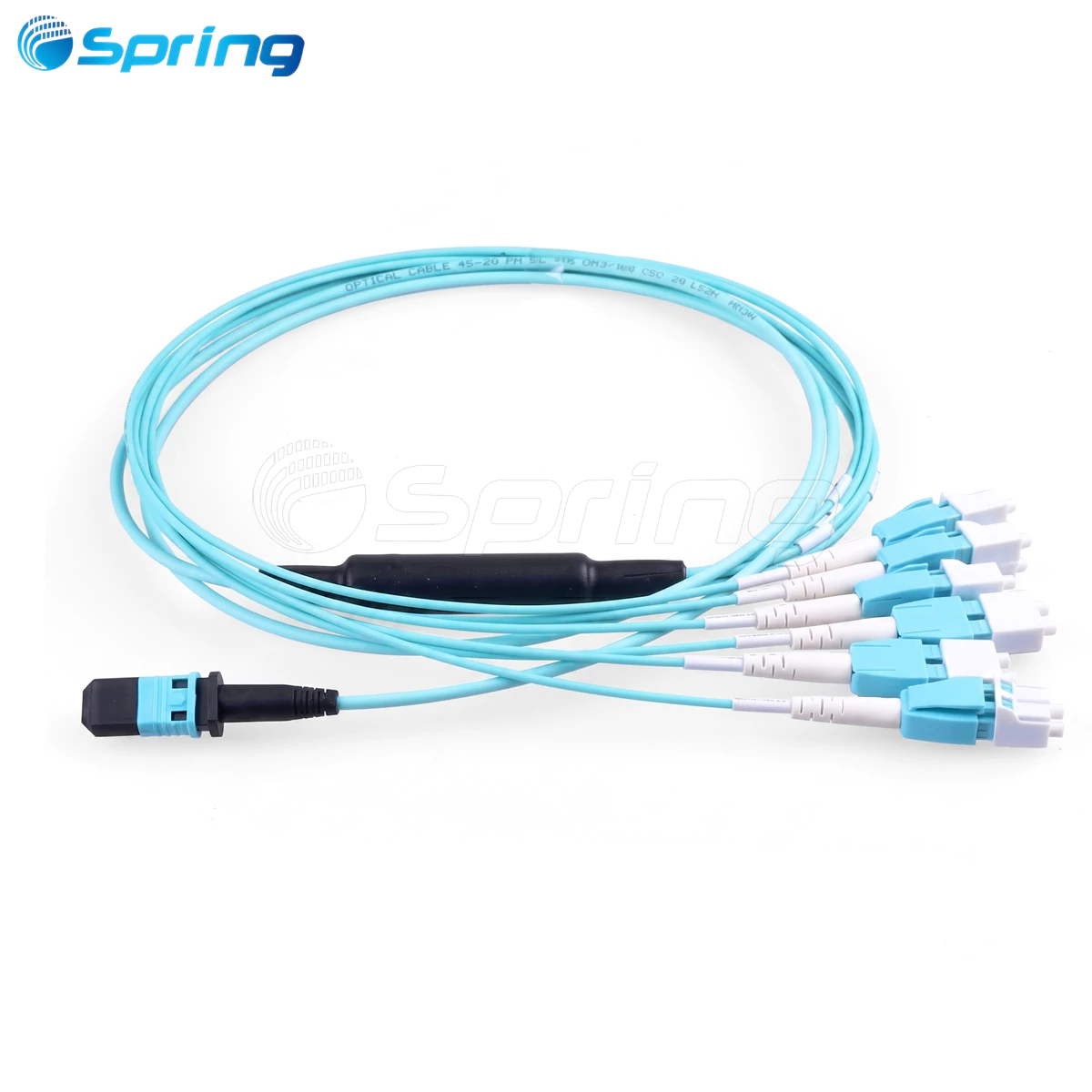
Modern data centers and FTTx deployments generally prefer SC, LC, or MPO connectors due to higher port density and push-pull convenience. FC and ST are mainly retained for legacy systems or industrial-grade use.
5. How can I maintain optimal performance?
Regular cleaning, proper dust cap use, and correct mating torque (for FC) are essential to maintaining low insertion loss and long-term reliability.
Conclusion: The Art of Informed Connector Selection
Both FC and ST fiber connectors remain key players in specific fiber optic environments.
FC connectors offer unmatched reliability and stability, excelling in high-vibration or outdoor installations.
ST connectors provide ease of use and cost-effectiveness, fitting controlled indoor or short-range setups.
When selecting between the two, network planners should evaluate environmental conditions, connection frequency, and reliability needs. In all cases, proper installation, routine inspection, and endface cleaning are fundamental to ensuring long-term optical performance.