

Introduction
In the world of fiber optic communication, color is far more than a visual detail-it is a language of organization and precision.
The Fiber Color Code, defined by the TIA-598 standard, establishes a universal system to identify fibers, connectors, and cables across global networks.
This color-coding standard ensures consistency, safety, and reliability throughout manufacturing, installation, and maintenance. By following it, technicians can instantly identify fiber types, trace connections, and minimize errors during splicing or testing.
Originally developed by the Electronic Industries Alliance (EIA) and the Telecommunications Industry Association (TIA), the TIA-598-D standard (formerly EIA/TIA-598) remains the most recognized color-coding system for optical fibers worldwide.
Why Fiber Color Coding Matters
In large-scale fiber deployments, identifying the right fiber strand among dozens-or thousands-can be challenging.
A standardized color code enables:
Fast Identification: Quickly locate individual fibers in large bundles.
Accurate Installation: Prevents mismatched connections and fiber confusion.
Efficient Maintenance: Simplifies fault isolation and repairs.
Enhanced Safety: Ensures compliance with optical power and connection safety standards.
Pro Tip: Following the TIA-598 color code reduces installation time by up to 40% in complex data center and FTTH environments.
Fiber Color Coding Categories
According to the TIA-598 standard, color coding applies to three primary components:
Outer Jacket (Cable Sheath)
Inner Fiber (Individual Strands)
Connector and Boot
Each serves a different identification purpose, ensuring that both cable type and fiber function are easily recognized.
Outer Jacket Color Code
The outer jacket color identifies the fiber type-for example, single-mode or multimode-and provides quick visual reference during installation.
If a cable contains multiple fiber types, a printed legend must specify their distribution (e.g., "12 Fiber: 8 x 50/125, 4 x 62.5/125").
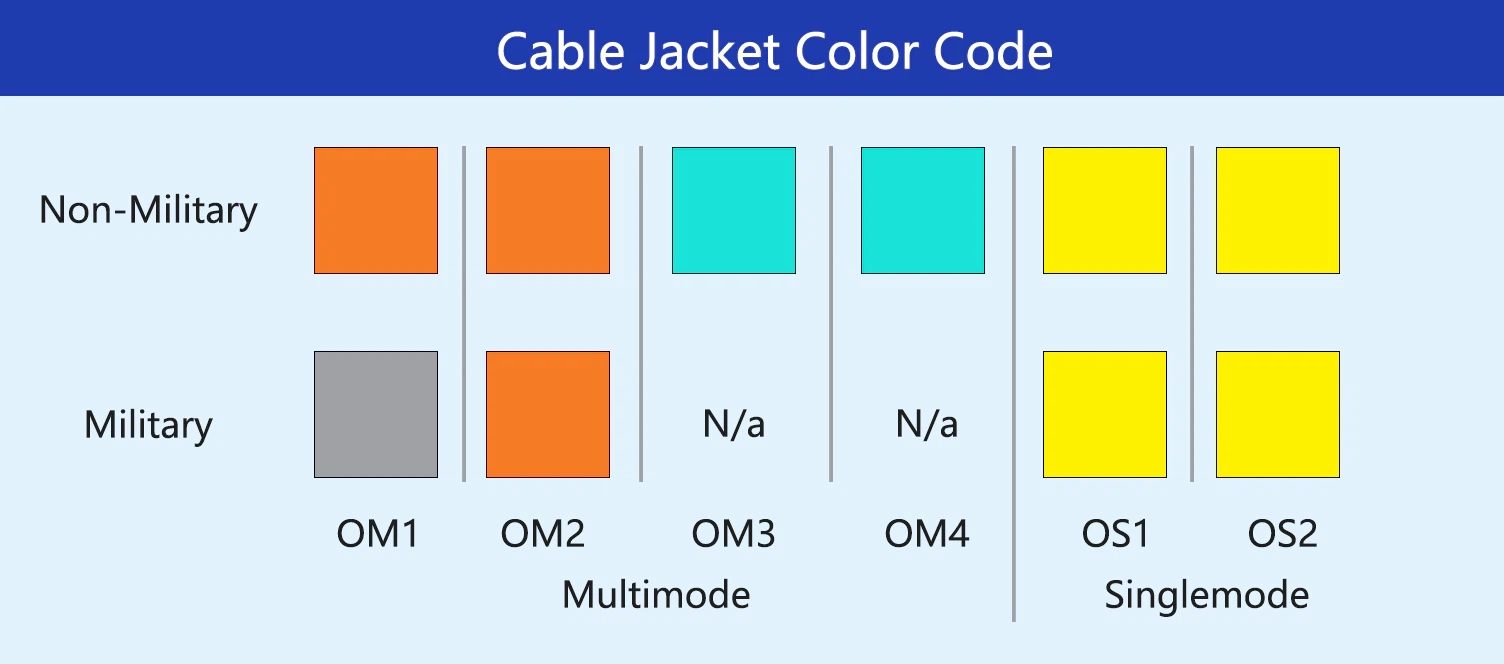
| Fiber Type | Non-Military Color | Military Color | Suggested Print |
|---|---|---|---|
| OM1 (62.5/125 µm Multimode) | Orange | Slate | 62.5/125 |
| OM2 (50/125 µm Multimode) | Orange | Orange | 50/125 |
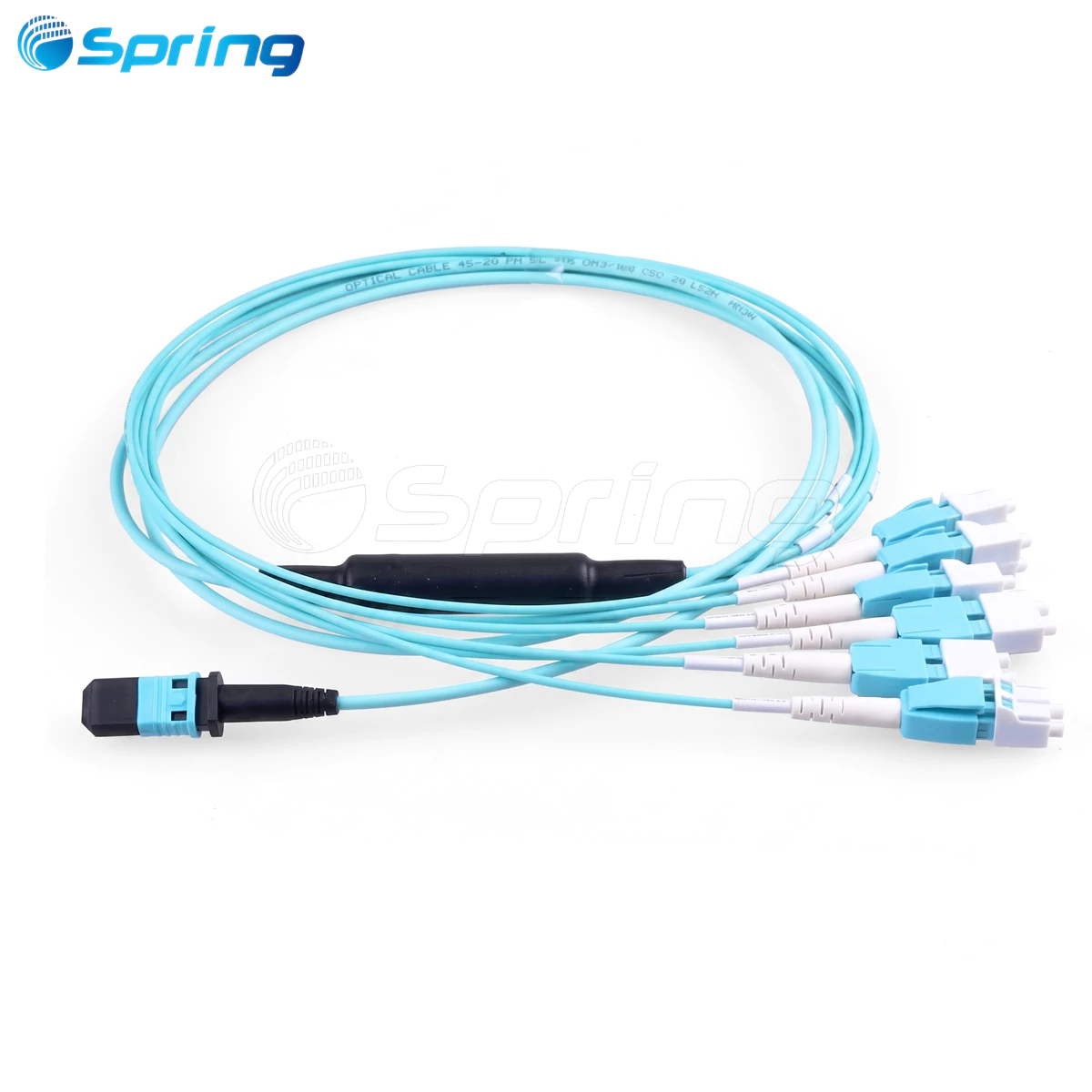
| OM3 (50/125 µm Laser-Optimized) | Aqua | Undefined | 850 LO 50/125 |
| OM4 (50/125 µm Laser-Optimized) | Aqua / Violet | Undefined | 850 LO 50/125 |
| OM5 (Wideband Multimode) | Lime Green | Undefined | WBMMF 50/125 |
| OS1 / OS2 (Single Mode) | Yellow | Yellow | SM / NZDS |
| Polarization Maintaining SM | Blue | Undefined | PM SM |
Inner Fiber Color Code
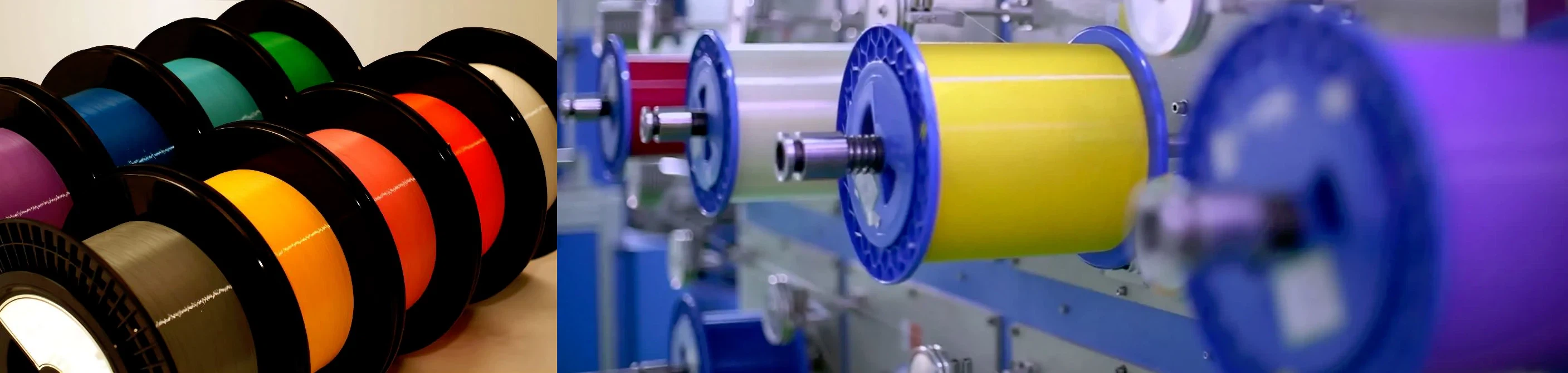
Inside a multi-fiber cable, each individual fiber is color-coded for identification.
The TIA-598 standard defines a 12-color sequence, which repeats for higher fiber counts.

| Fiber No. | 1 | 2 | 3 | 4 | 5 | 6 | 7 | 8 | 9 | 10 | 11 | 12 |
|---|---|---|---|---|---|---|---|---|---|---|---|---|
| Color | Blue | Orange | Green | Brown | Slate (Gray) | White | Red | Black | Yellow | Violet | Rose (Pink) | Aqua |
For cables with more than 12 fibers, the sequence repeats with an added stripe marker (e.g., Blue with Black Stripe for fiber #13).
Connector and Boot Color Code
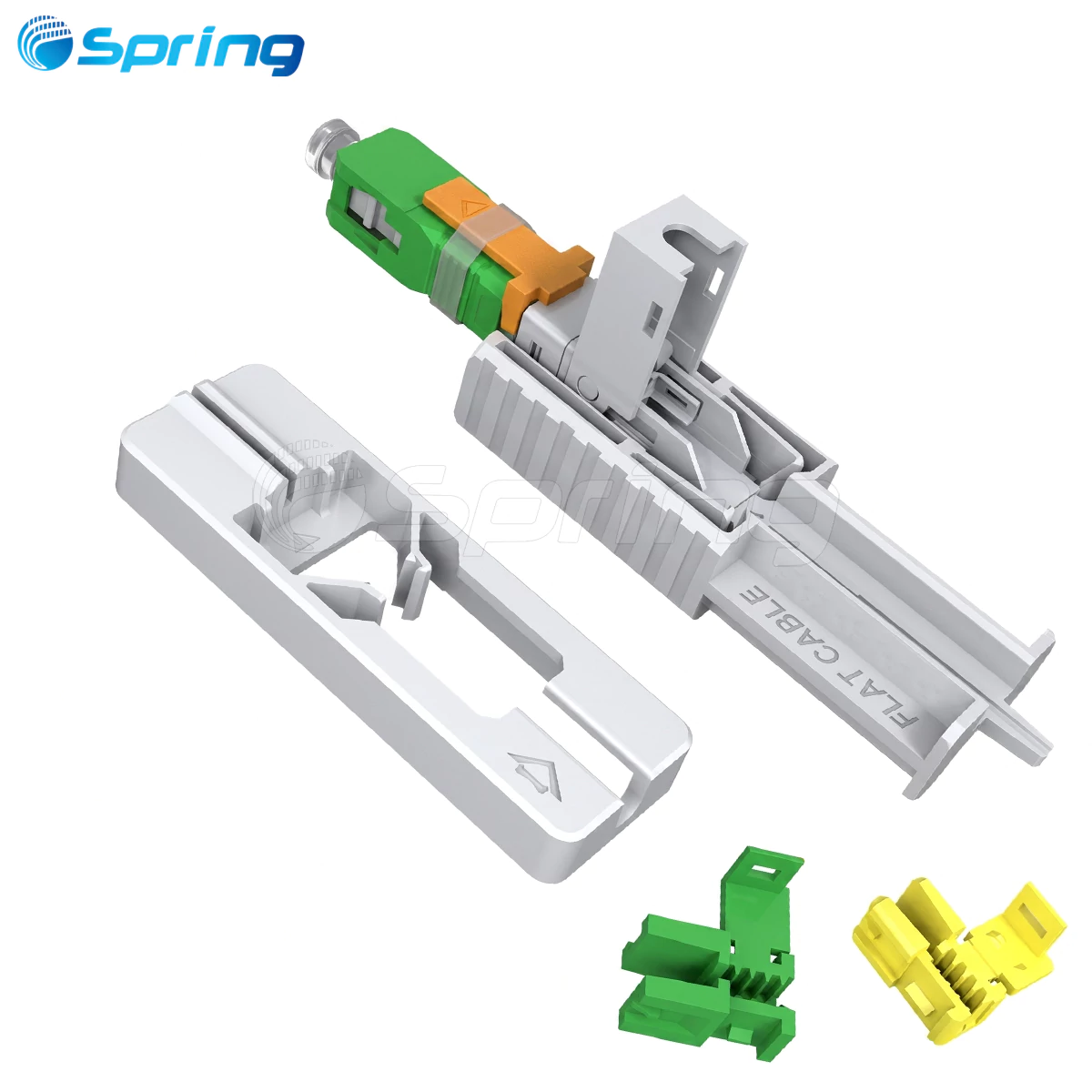
Connector color codes indicate fiber type and polish style, which affect performance parameters such as insertion loss and return loss.
| Fiber Type | Polish Style | Connector Color |
|---|---|---|
| OM1 62.5/125 µm | UPC | Beige / Gray |
| OM2 50/125 µm | UPC | Black |
| OM3 / OM4 / OM5 | UPC | Aqua / Lime Green |
| Single Mode | UPC | Blue |
| Single Mode | APC | Green |

Key Notes:
UPC (Ultra Physical Contact): Low insertion loss (~0.2 dB), standard for most networks.
APC (Angled Physical Contact): 8° angled end-face reduces back reflection (<–60 dB), ideal for long-haul and FTTH.
FC and ST connectors typically use colored boots for identification when metal housings are used.
Common Fiber Jacket Colors and Applications
| Color | Fiber Type / Typical Application |
|---|---|
| Yellow | OS1/OS2 single-mode for long-distance telecom, backbone, and metro networks |
| Orange | OM1/OM2 multimode for LAN or short-distance links |
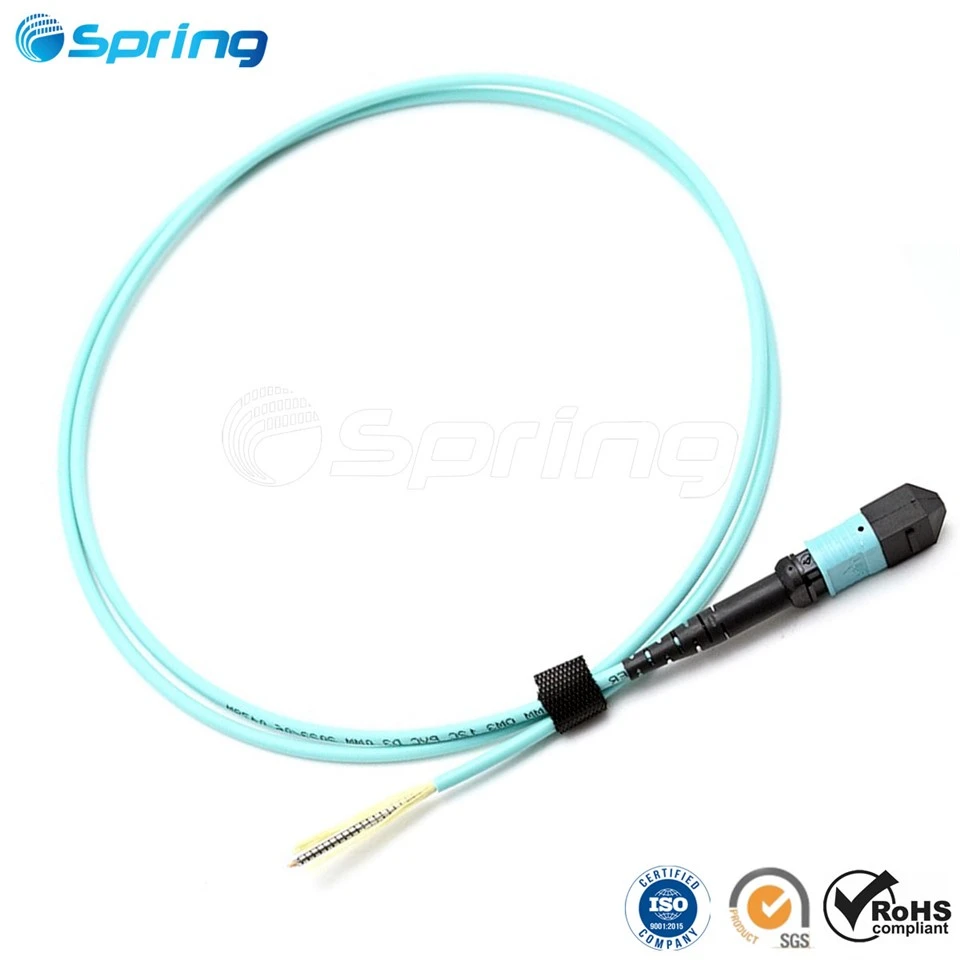
| Aqua | OM3 for 10G/40G/100G data centers |
| Lime Green | OM5 wideband multimode for 100G/400G applications |
| Green | Bend-insensitive single-mode (FTTH, indoor wiring) |
| Red | Specialty fibers or optical power monitoring |
| Black | Outdoor or armored cables, military-grade |
| Violet | Custom laser-optimized multimode or data center cabling |
Benefits of the Fiber Color Code System
Simplified Installation: Consistent color rules reduce installation errors.
Faster Maintenance: Technicians can locate and replace fibers without confusion.
Improved Reliability: Prevents cross-connections and optical loss.
Time Efficiency: Saves time in large-scale deployments (FTTH, ODN, Data Centers).
Standard Compliance: Fully aligned with TIA-598 and ISO/IEC 11801 standards.
Expert Insight: Color-coded systems not only improve workflow but also ensure interoperability among different cable manufacturers and network operators.
Conclusion
The Fiber Color Code System is a cornerstone of modern optical network design.
By following the TIA-598 standard, engineers and installers achieve higher accuracy, safety, and efficiency across the entire fiber lifecycle-from manufacturing to field maintenance.
Whether you're managing a telecom backbone, data center infrastructure, or FTTH deployment, mastering fiber color coding ensures smoother operations and faster troubleshooting.
FAQs
Q1: What is the standard used for fiber color coding?
The global standard is TIA-598-D, defining color codes for jackets, fibers, and connectors in both single-mode and multimode applications.
Q2: How can I remember the 12-color fiber sequence?
Use this mnemonic:
"Blue, Orange, Green, Brown, Slate, White, Red, Black, Yellow, Violet, Rose, Aqua."
Many field engineers print laminated reference cards for quick access.
Q3: What is the difference between UPC and APC connector colors?
UPC: Blue; provides ultra-low insertion loss (~0.2 dB).
APC: Green; minimizes back reflection, ideal for long-distance or high-power systems.
Q4: Are color codes universal across manufacturers?
Yes, the TIA-598 color code is globally recognized. However, slight color tone variations may occur depending on manufacturer materials or boot design.
About the Author
This guide was prepared by Spring Optical's engineering team, drawing on over a decade of experience in fiber optic cable manufacturing, pre-terminated assembly design, and ODN network deployment. The content follows international standards including TIA-598, IEC 60304, and ISO/IEC 11801.