

Author: Hayden, Senior Network Engineer for Fiber Optic Networks, Hayden@springoptic.com
As global FTTH (Fiber to the Home) deployments continue to scale, the performance of a fiber access network is no longer determined only by active equipment such as OLTs or ONTs. In real-world deployments, the passive infrastructure plays an even more critical role in determining network stability and efficiency.
This passive layer is known as the Optical Distribution Network (ODN).
In modern FTTH architectures, the ODN is the physical fiber layer that distributes optical signals from the central office to end users. Operators consider ODN design as one of the most important factors affecting:
Network coverage
Optical loss performance
Deployment cost (CAPEX)
Long-term maintenance efficiency (OPEX)
👉 Key Takeaway: The ODN determines how efficiently and reliably optical signals are delivered across an FTTH network.
1. What Is an Optical Distribution Network (ODN)?
An Optical Distribution Network (ODN) is the passive fiber infrastructure that connects the Optical Line Terminal (OLT) in the central office to the Optical Network Unit (ONU/ONT) at the subscriber side.
Unlike active equipment, the ODN does not require electrical power. It is composed entirely of passive optical components that guide, split, and protect optical signals.
Typical ODN components include:
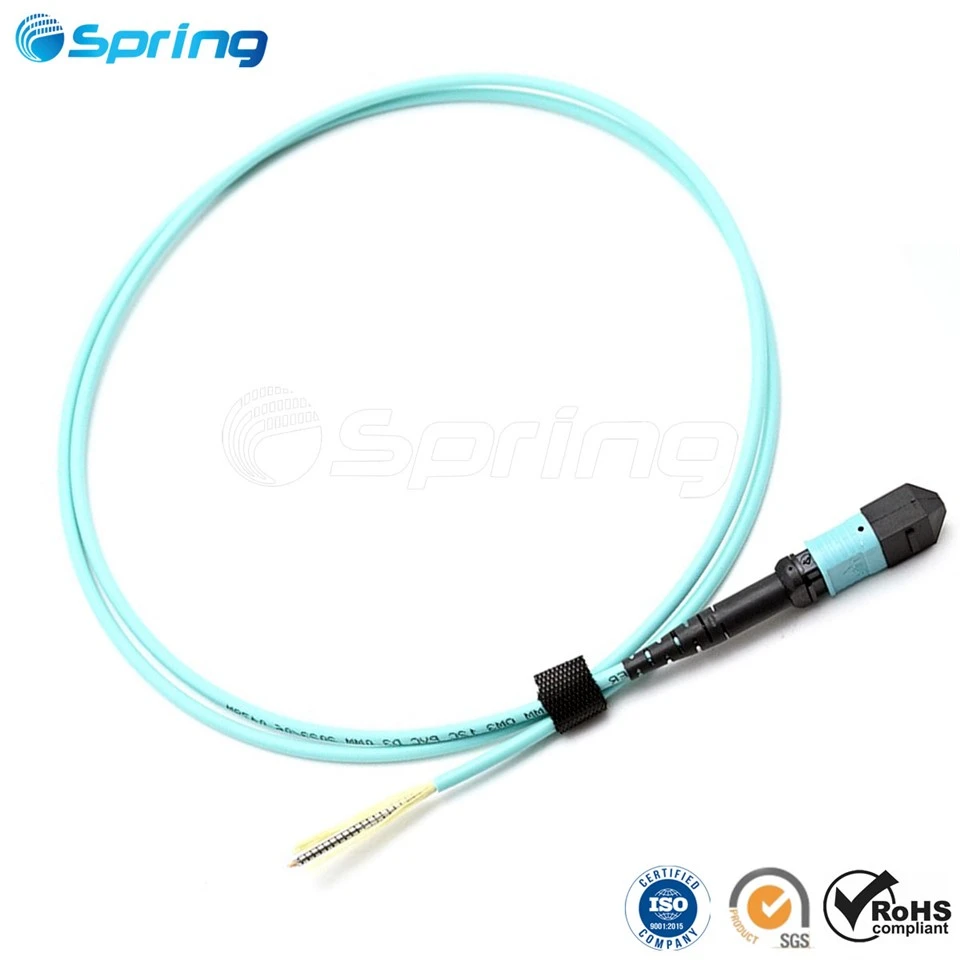
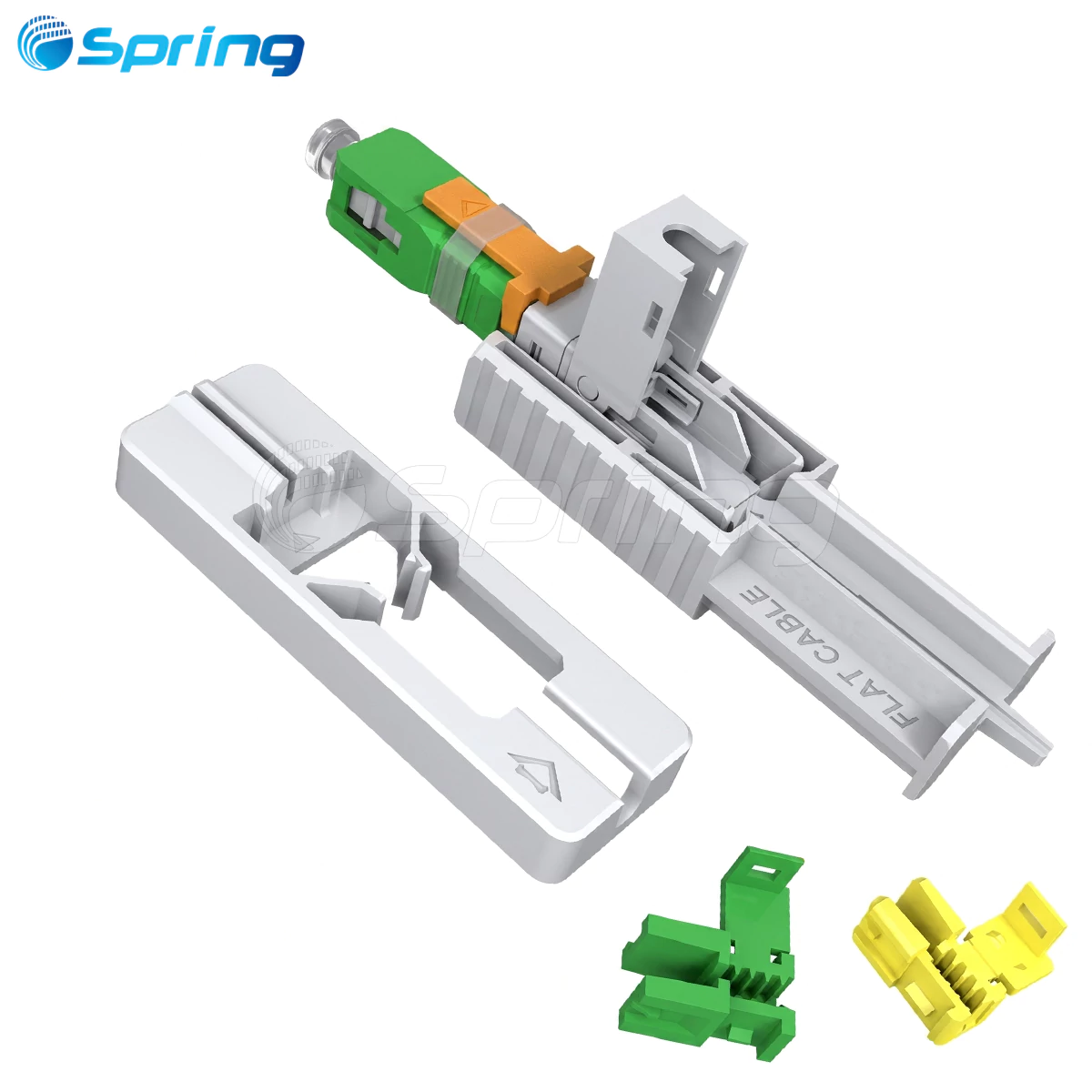
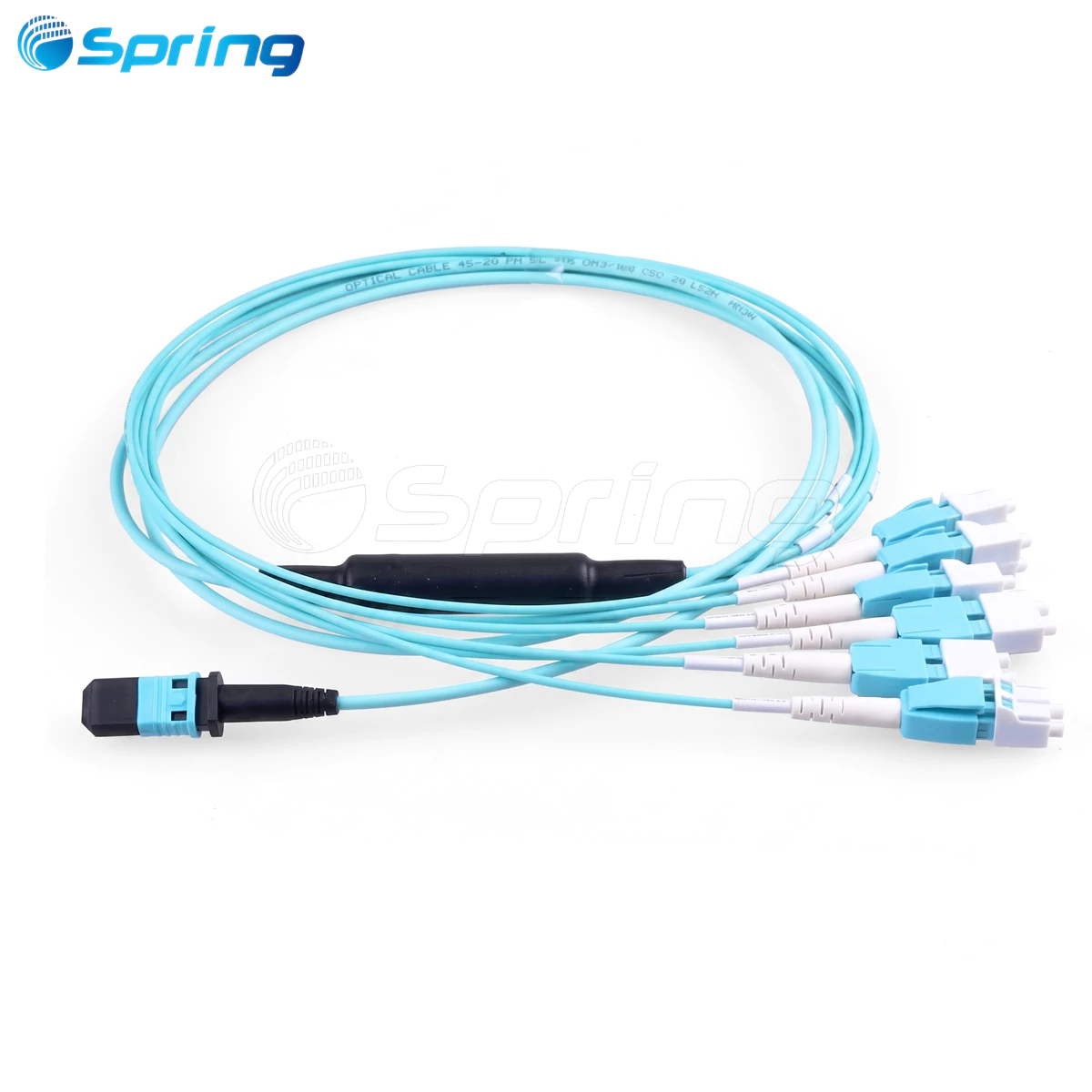
Pre-connectorized Terminal Box
Fiber optic cables (feeder, distribution, and drop)
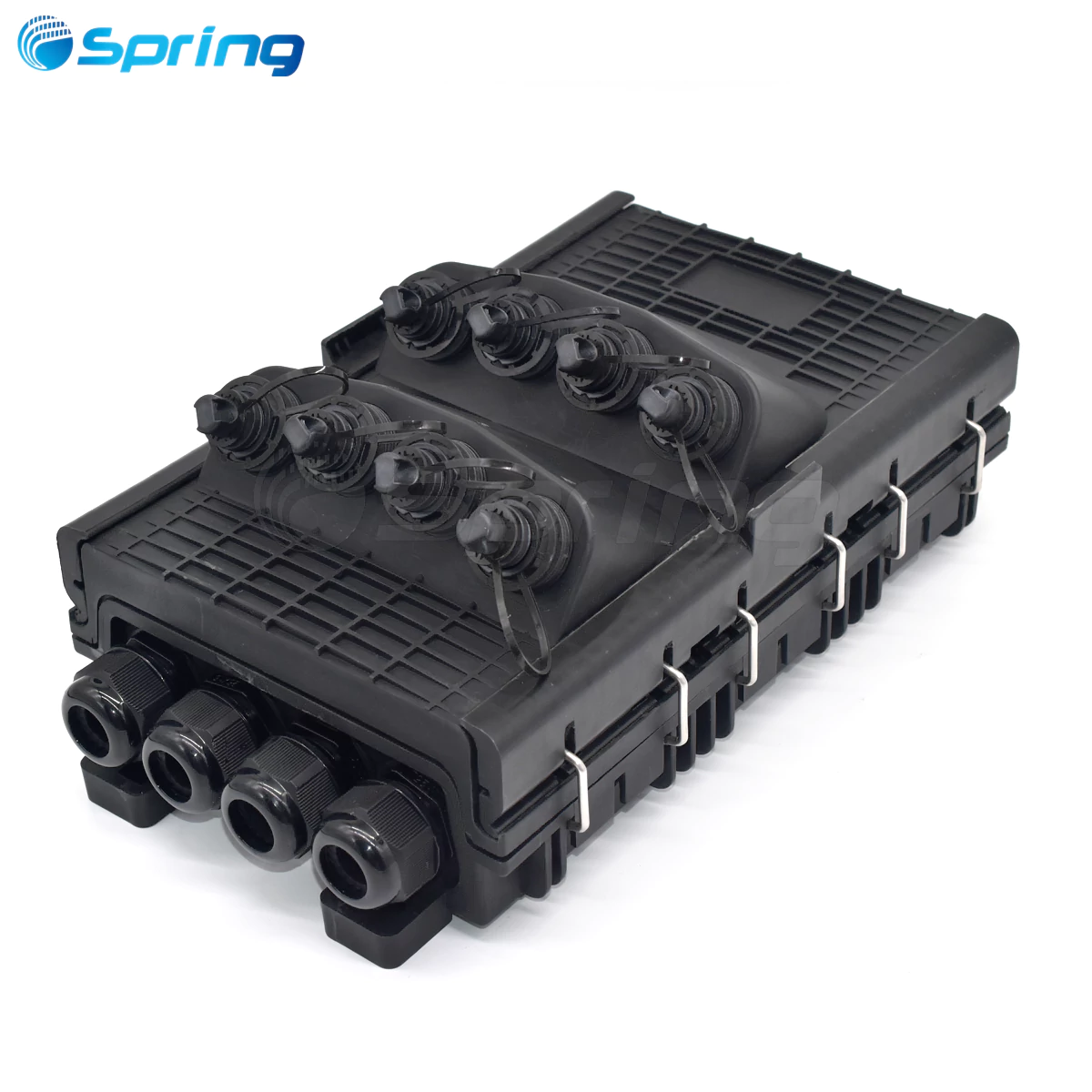
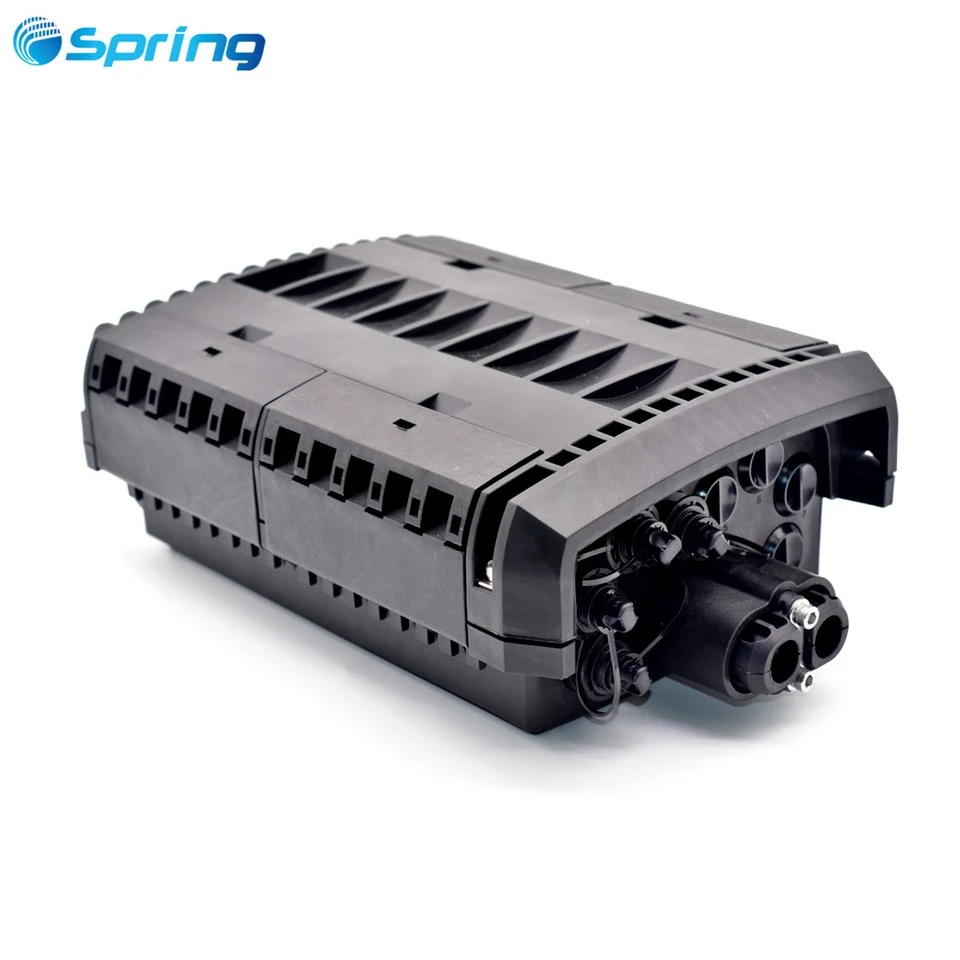
Fiber distribution box (FDB)
👉 Engineering Fact: A well-designed ODN directly reduces operational cost over the network lifecycle by minimizing field failure rates and power consumption.
2. Future Trends of Optical Distribution Networks
As networks evolve from GPON to XGS-PON (10G) and eventually 25G PON, the ODN infrastructure remains largely the same, but the tolerance for physical errors shrinks.
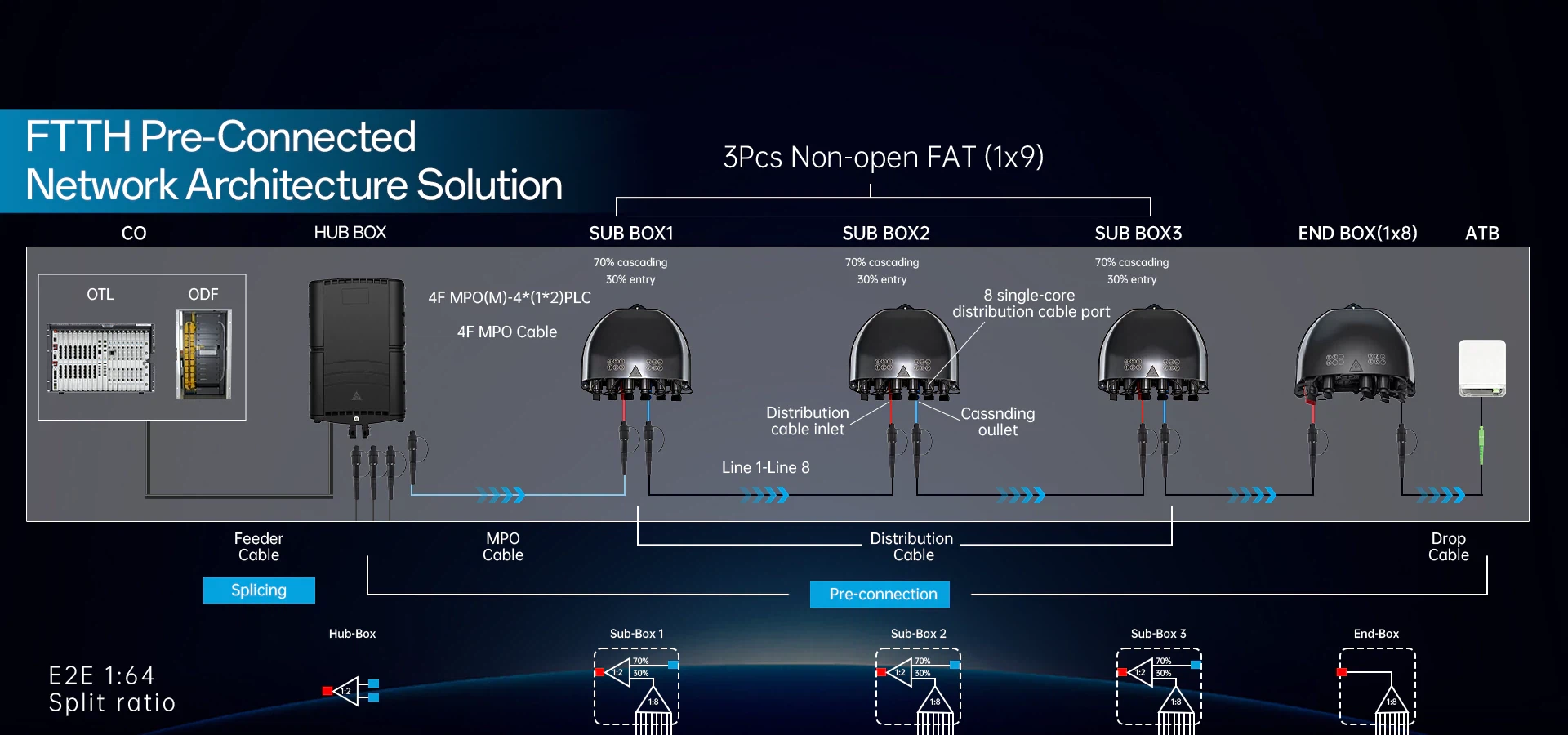
Pre-Connectorized ODN Systems: Increasingly adopted to eliminate field splicing, reduce labor costs, and prevent human errors in harsh environments.
Smart ODN Monitoring: Future networks will rely on AI and intelligent optical reflectors to enable real-time fiber monitoring, automated fault detection, and predictive maintenance.
3. How an ODN Works: Signal Flow & Components
The optical signal in an FTTH network follows a distinct physical path. In a typical point-to-multipoint topology, the flow is:
OLT → Feeder Cable → Optical Splitter → Distribution Cable → Drop Cable → ONU/ONT
Step-by-Step Working Principle
Optical Line Terminal (OLT): Generates and manages optical signals in the central office.
Feeder Fiber: Carries high-capacity optical signals from the central office to local distribution points. This is typically the highest fiber-count segment.
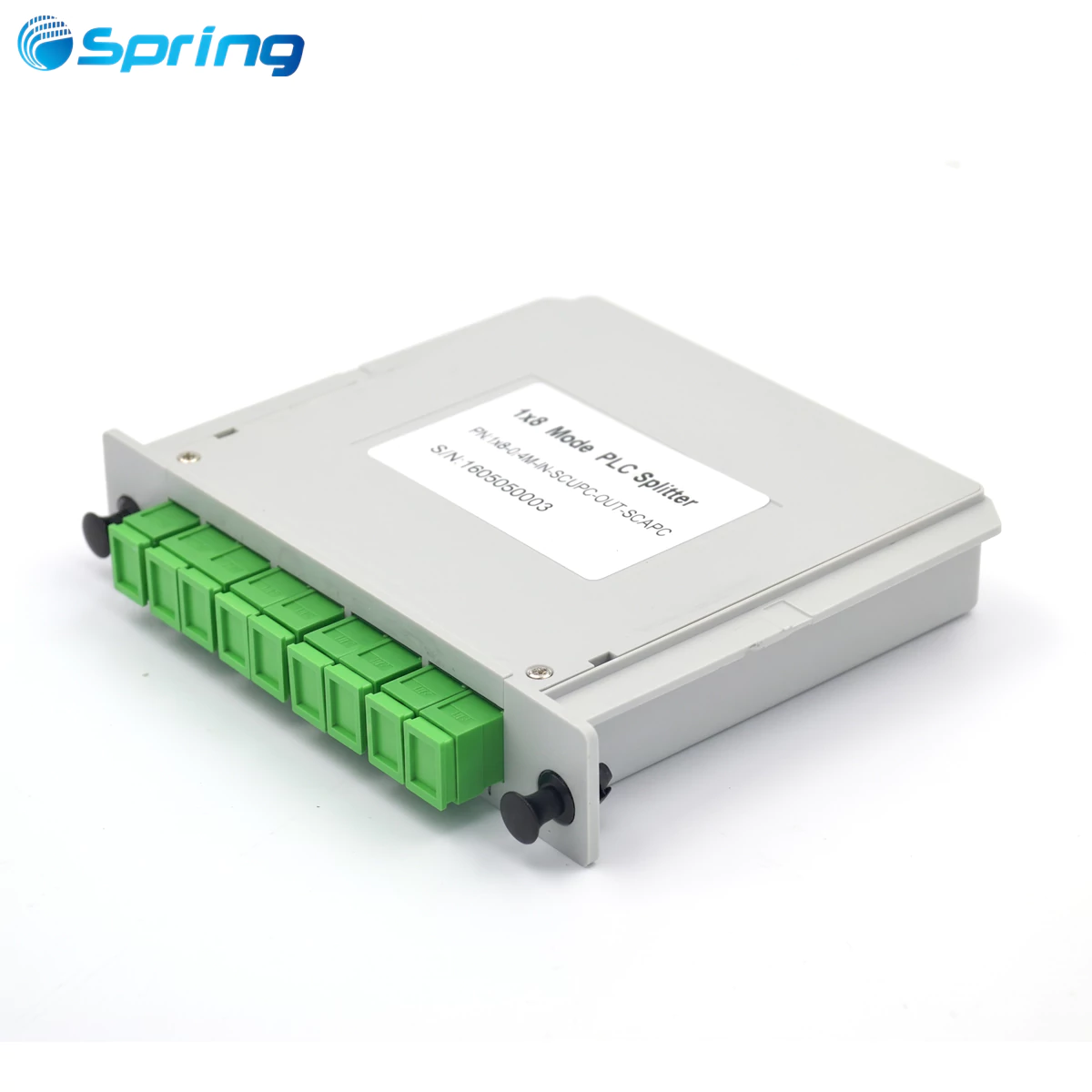
Optical Splitter (PLC): The core of the ODN. It divides one optical signal into multiple outputs.
Common ratios: 1:8, 1:16, 1:32, 1:64.
Trade-off logic: Higher split ratios reduce infrastructure costs but increase optical insertion loss (e.g., a 1:32 splitter typically introduces ~17dB of loss).
Distribution Fiber: Extends signals from splitter nodes toward residential or business areas.
Drop Cable: Connects the final network point directly to the subscriber. This is the most sensitive part regarding installation quality and bending radius.
ONT/ONU: Converts optical signals back into usable broadband services at the customer's premises.
4. Key Design Considerations for ODN
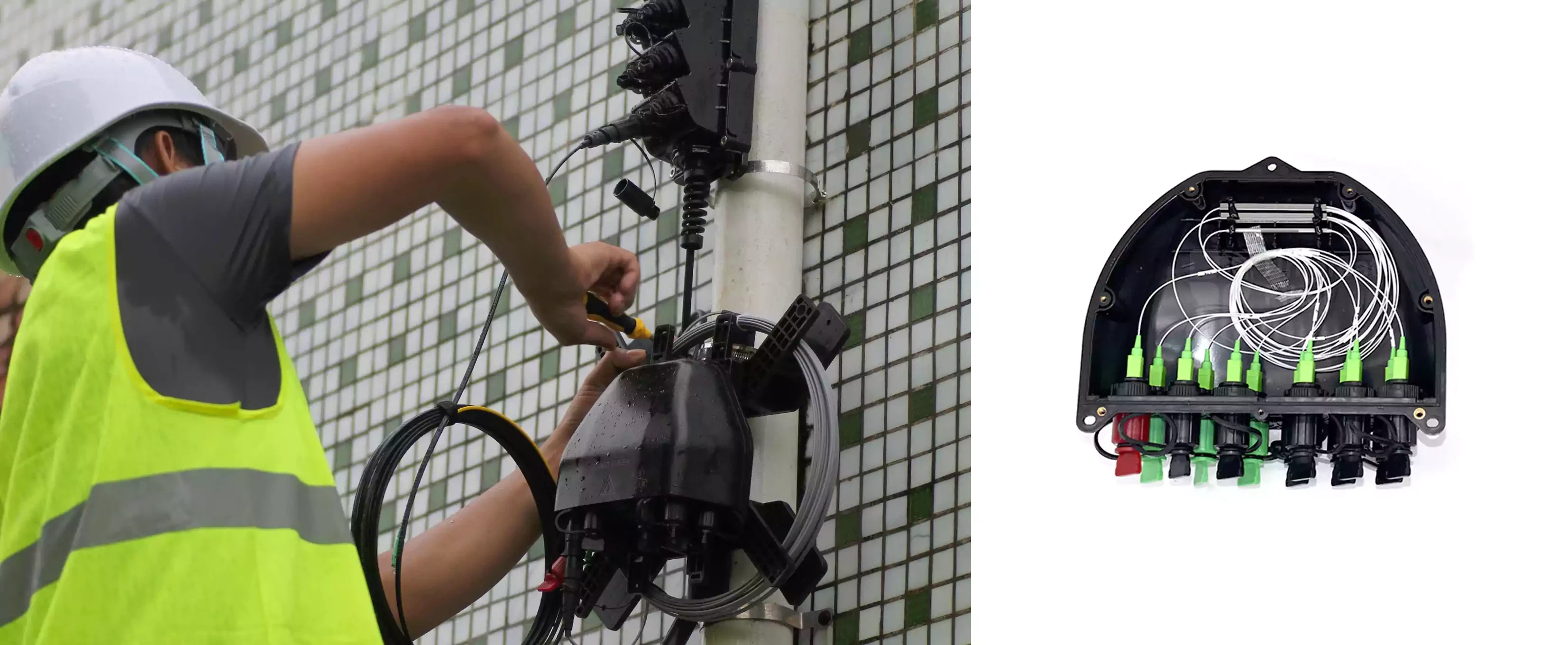
In real FTTH deployments, most service issues are caused by poor passive network design rather than active equipment failures.
Optical Loss Budget (Critical Engineering Factor)
Every ODN must comply with system power budget limits. For instance, a standard GPON Class B+ system typically has a maximum allowable loss budget of around 28dB. If the total loss exceeds this budget, service instability occurs.
Split Ratio & Topology Selection
Topology selection directly impacts CAPEX and scalability.
Centralized Splitting: Simple structure, easy maintenance. Ideal for high-density urban FTTH.
Distributed Splitting: Flexible expansion, reduced feeder fiber demand. Suitable for suburban areas.
Cascaded Splitting (e.g., 1:4 followed by 1:8): Lowest initial cost, wide coverage. Ideal for rural deployments where subscribers are highly dispersed.
Connector Loss Control
Proper connector selection minimizes insertion loss. A standard SC/APC connector introduces about 0.3dB to 0.5dB of loss. Minimizing unnecessary mating cycles in the network routing is crucial.
5. Spring Optical Case Study: Optimizing ODN for Rural FTTH
The Challenge: A regional ISP in Southeast Asia needed to roll out an FTTH network across a low-density rural area. A traditional centralized splitting design would have required massive amounts of distribution fiber, blowing past their CAPEX limits.
The Solution: Spring Optical engineers proposed a cascaded splitting architecture (1:8 + 1:8) utilizing our ruggedized IP68 outdoor closures and pre-connectorized drop cables.
The Result: * Reduced overall fiber cable usage by 32%.
Pre-connectorized solutions cut field splicing time by 50%.
The optical loss was strictly maintained within a 26.5dB margin, ensuring perfectly stable XGS-PON readiness.
6. FAQ About Optical Distribution Network
What is the difference between ODN and PON?
PON (Passive Optical Network) refers to the entire optical access system (including the active OLT and ONT). The ODN is purely the passive physical infrastructure (cables, splitters, boxes) that sits between them.
How do you calculate ODN loss?
To ensure your network functions properly, calculate total attenuation using the following formula:

Practical Example (Targetting GPON Class B+ 28dB limit):
Fiber Loss (5km at 0.35dB/km): 1.75dB
Splitter Loss (1:32): ~17.0dB
Connectors (4 pairs at 0.3dB): 1.2dB
Splices (4 at 0.1dB): 0.4dB
Safety Margin: 3.0dB
Total Loss: 23.35dB (Safe! Well below the 28dB limit).
Can an existing ODN support XGS-PON or 25G PON?
Yes. Because the ODN relies on passive fiber, a properly engineered and clean ODN supports GPON, XGS-PON, and future 25G PON upgrades without needing to replace the cables or splitters.
Conclusion
The Optical Distribution Network (ODN) is the physical foundation of every FTTH deployment. Although it contains no active electronic components, it dictates network performance, deployment costs, and long-term reliability. A well-designed ODN is not just a technical requirement-it is a strategic investment in your network's future.
Ready to Optimize Your FTTH Deployment?
Don't let poor passive design bottleneck your fiber network.
Spring Optical provides telecom-grade ODN solutions, including high-precision PLC splitters, IP-rated FDBs, and plug-and-play pre-connectorized systems for global operators and ISPs.
[Contact Spring Optical Engineers Hayden@springoptic.com] today for a free project evaluation.