

Author: Jenny, Senior Network Engineer for Fiber Optic Networks, 15-year veteran in maintaining Data Centers, jenny@springoptic.com
Introduction
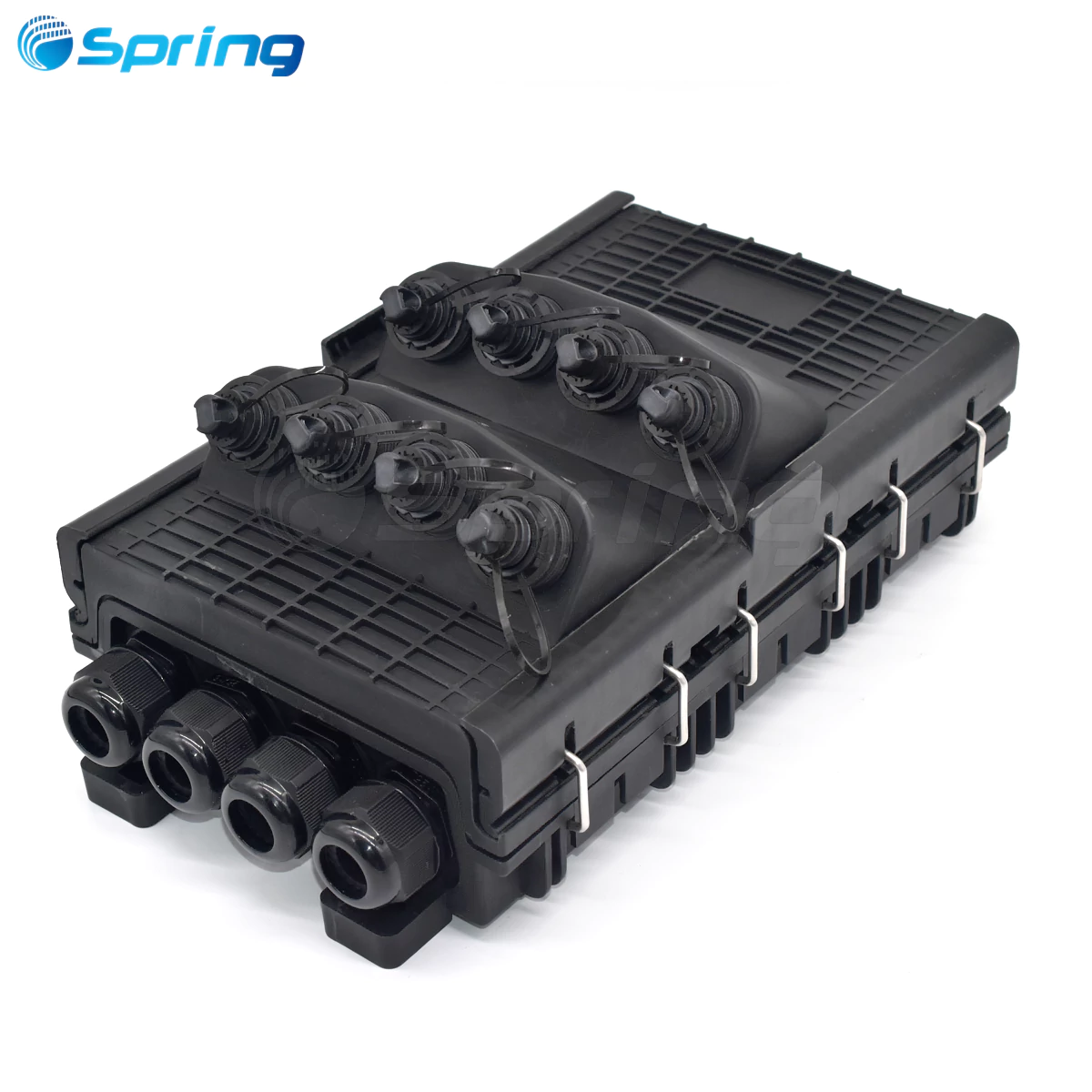
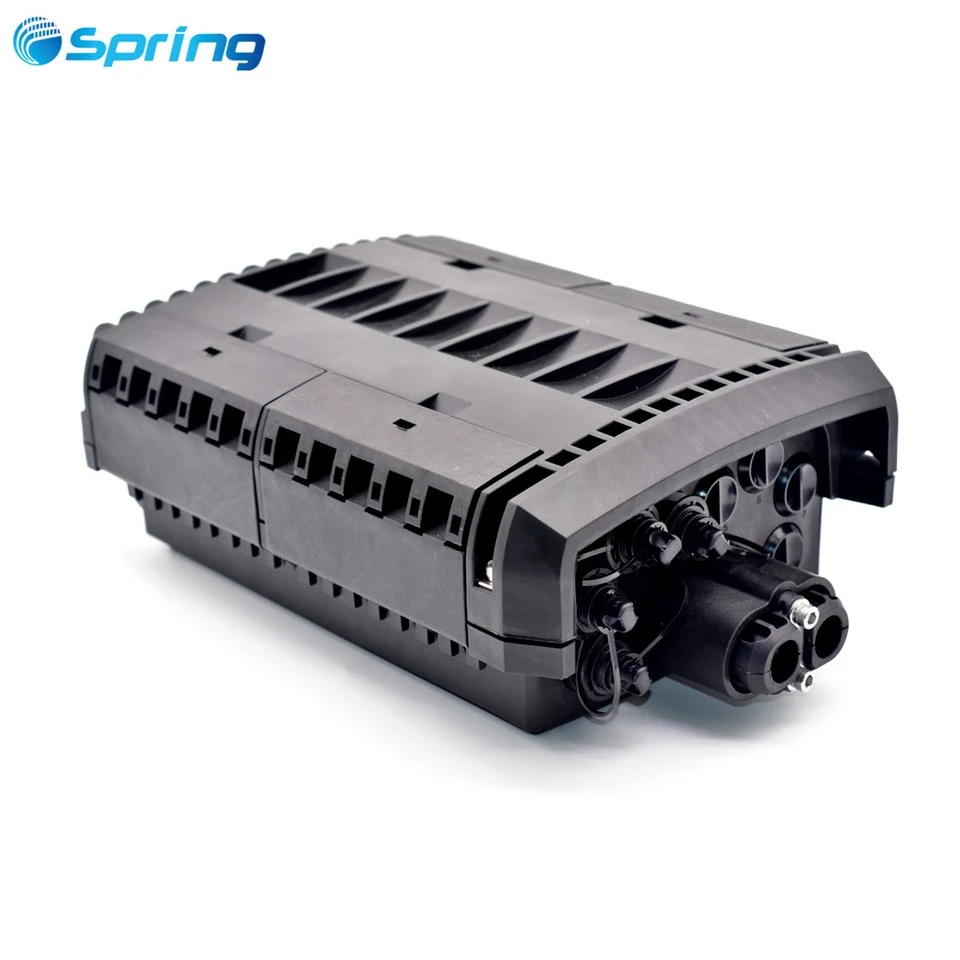
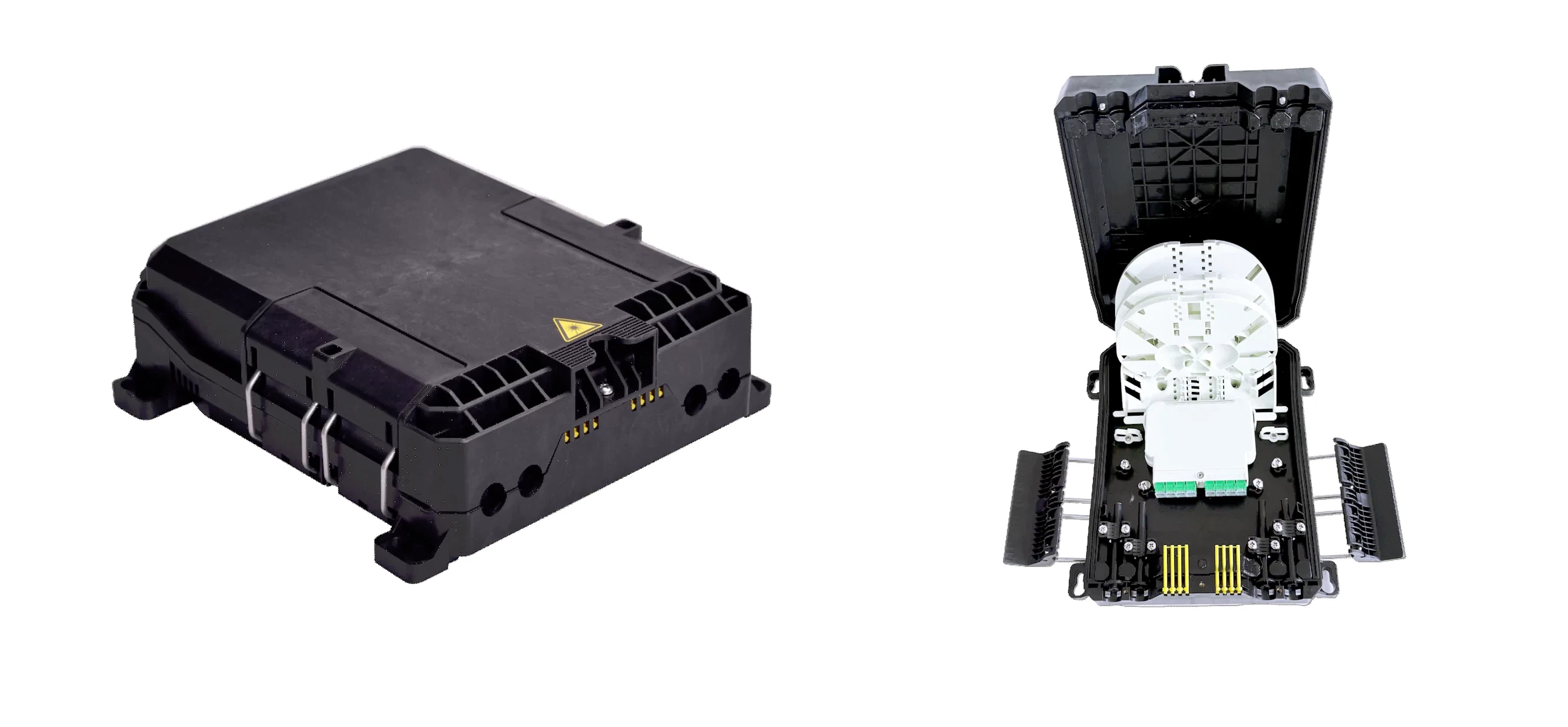
An Outdoor Fiber Enclosure is a critical component in modern fiber optic networks used to protect, manage, and distribute fiber connections in FTTH, FTTx, and outdoor OSP environments.
It ensures reliable signal transmission by protecting fiber splices from moisture, dust, vibration, and temperature changes.
Depending on network requirements, outdoor fiber enclosures are commonly designed with three sealing technologies:
Gel Sealing
Rubber Gasket Sealing
Heat Shrink Sealing
👉 This guide explains the differences, applications, and how to choose the right outdoor fiber enclosure for your project.
What Is an Outdoor Fiber Enclosure?
An Outdoor Fiber Enclosure is a protective housing used in fiber optic networks to:
Protect fiber splice points
Manage cable distribution
Support FTTH last-mile connectivity
Provide environmental sealing for outdoor installations
📌 Typical structure includes:
High-strength ABS or PC housing
Fiber splice trays
Cable entry sealing system
Mounting accessories (pole/wall/underground)
Types of Outdoor Fiber Enclosure
Fiber Distribution box
Used in FTTH access networks for:
Subscriber connection
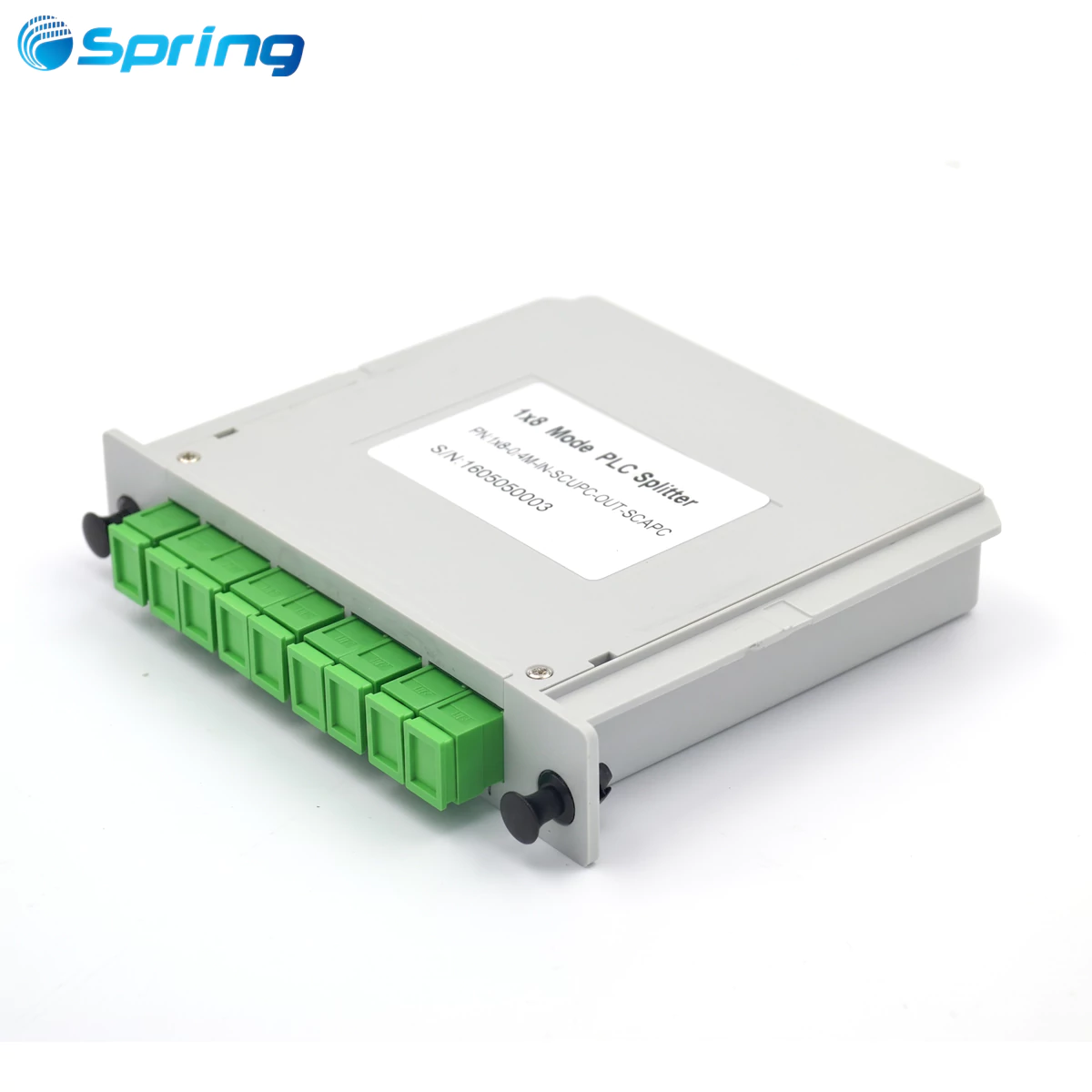
Splitter integration (PLC)
Last-mile distribution
Fiber Splice Enclosure
Used in OSP networks for:
Backbone fiber protection
Mid-span splicing
Underground or aerial deployment
Hybrid Fiber Enclosure
Combines:
Splicing + distribution + splitting
👉 Most modern FTTH networks use this type.
Sealing Technologies Comparison
Gel Sealing Fiber Enclosure
Gel sealing uses a flexible silicone gel to seal cable entry points.
✔ Advantages:
IP67/IP68 waterproof protection
Re-entry friendly
Fast installation (no tools required)
Excellent performance in mixed cable environments
❗ Limitations:
Slightly higher cost
Requires careful installation handling
Rubber Gasket Fiber Enclosure
Rubber gasket systems use mechanical compression sealing.
✔ Advantages:
Stable sealing performance
Cost-effective
Widely used in traditional deployments
❗ Limitations:
Aging over time
Limited re-entry cycles
Requires precise tightening
Heat Shrink Fiber Enclosure
Heat shrink sealing uses thermally activated tubing.
✔ Advantages:
Strong mechanical protection
Low material cost
Common in legacy telecom systems
❗ Limitations:
Requires heat tools
Not re-entry friendly
Longer installation time
Technical Comparison Table
| Feature | Gel Sealing | Rubber Gasket | Heat Shrink |
|---|---|---|---|
| Waterproof Level | Excellent | Good | Excellent |
| Re-entry | ✔ Yes | Limited | ❌ No |
| Installation Speed | Fast | Medium | Slow |
| Tools Required | None | Basic tools | Heat gun |
| Maintenance Cost | Low | Medium | High |
| Outdoor Suitability | Excellent | Good | Good |
Key Features of Outdoor Fiber Enclosure
A high-quality enclosure should include:
IP67/IP68 waterproof protection
UV-resistant housing
-40°C to +70°C temperature resistance
Flexible cable management
Impact-resistant design
Multiple sealing compatibility
Applications of Outdoor Fiber Enclosure
Outdoor fiber enclosures are widely used in:
FTTH last-mile networks
Rural broadband expansion
Telecom OSP deployments
Underground duct systems
Aerial pole-mounted networks
Data center edge connectivity
How to Choose the Right Outdoor Fiber Enclosure
1. Maintenance Strategy
Frequent upgrades → Gel sealing
Fixed installation → Heat shrink / gasket
2. Installation Environment
Harsh outdoor → Gel sealing (recommended)
Controlled indoor → Rubber gasket
3. Deployment Speed
Fast rollout → Gel sealing
Traditional deployment → Heat shrink
4. Cable Complexity
Mixed cable sizes → Gel sealing
Standardized cables → Heat shrink/gasket
Expert Insight
In modern FTTH deployments across North America and Europe, operators increasingly prefer gel sealing outdoor fiber enclosures due to:
Reduced truck roll maintenance
Faster field installation
Lower installation error rate
Better performance in humid and outdoor environments
👉 Rubber gasket and heat shrink solutions remain common in legacy networks but are gradually being replaced in new builds.
Installation Overview
Gel Sealing Enclosure
Fiber preparation
Splicing
Cable insertion into gel ports
Closure sealing
Waterproof testing
Heat Shrink Enclosure
Fiber preparation
Splicing
Heat shrink tube placement
Heat sealing
Cooling & inspection
Common Problems & Solutions
| Problem | Cause | Solution |
|---|---|---|
| Water leakage | Poor sealing | Improve sealing process |
| Fiber damage | Cable mismatch | Check cable compatibility |
| Re-entry failure | Heat shrink use | Switch to gel sealing |
| High maintenance cost | Non-reusable sealing | Upgrade enclosure type |
Recommended Solution
For modern FTTH and outdoor deployments, the IP67 Gel Sealing Outdoor Fiber Enclosure is the best choice.
✔ Benefits:
Superior waterproof performance
Easy re-entry for maintenance
Faster installation
Lower long-term OPEX
👉 Ideal for:
Telecom operators
FTTH contractors
Broadband ISPs
Fiber system integrators
FAQ
Q: What is an outdoor fiber enclosure?
A: It is a protective box used to manage and protect fiber optic connections in outdoor and FTTH networks.
Q: Which sealing method is best?
A: Gel sealing is best for modern FTTH due to flexibility and re-entry capability.
Q: Is rubber gasket still used?
A: Yes, mainly in cost-sensitive or traditional deployments.
Q: Is heat shrink waterproof?
A: Yes, but it is a permanent sealing method.
Q: What is the lifespan of fiber enclosure?
A: Typically 10–20 years depending on material and environment.
Conclusion
An Outdoor Fiber Enclosure is a key component in ensuring reliable fiber optic network performance.
Among sealing technologies:
Gel sealing enclosures are the best choice for modern FTTH and outdoor networks due to flexibility and easy maintenance.
Rubber gasket and heat shrink enclosures remain suitable for legacy and fixed installations.
👉 Choosing the right enclosure depends on your installation environment, maintenance strategy, and network architecture.