

Author: Alisa alisa@springoptic.com
Introduction to Fiber Optic Splice Closures
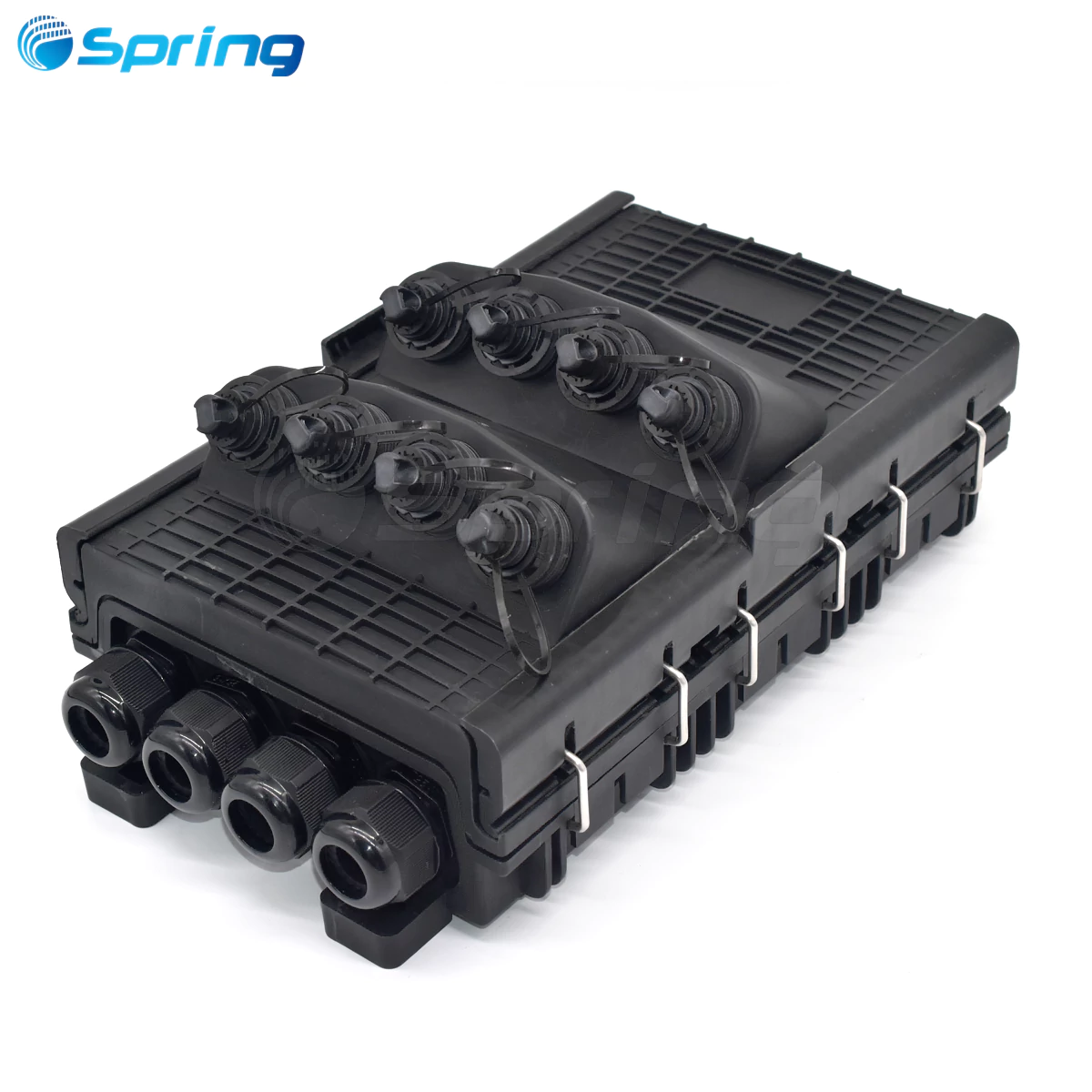
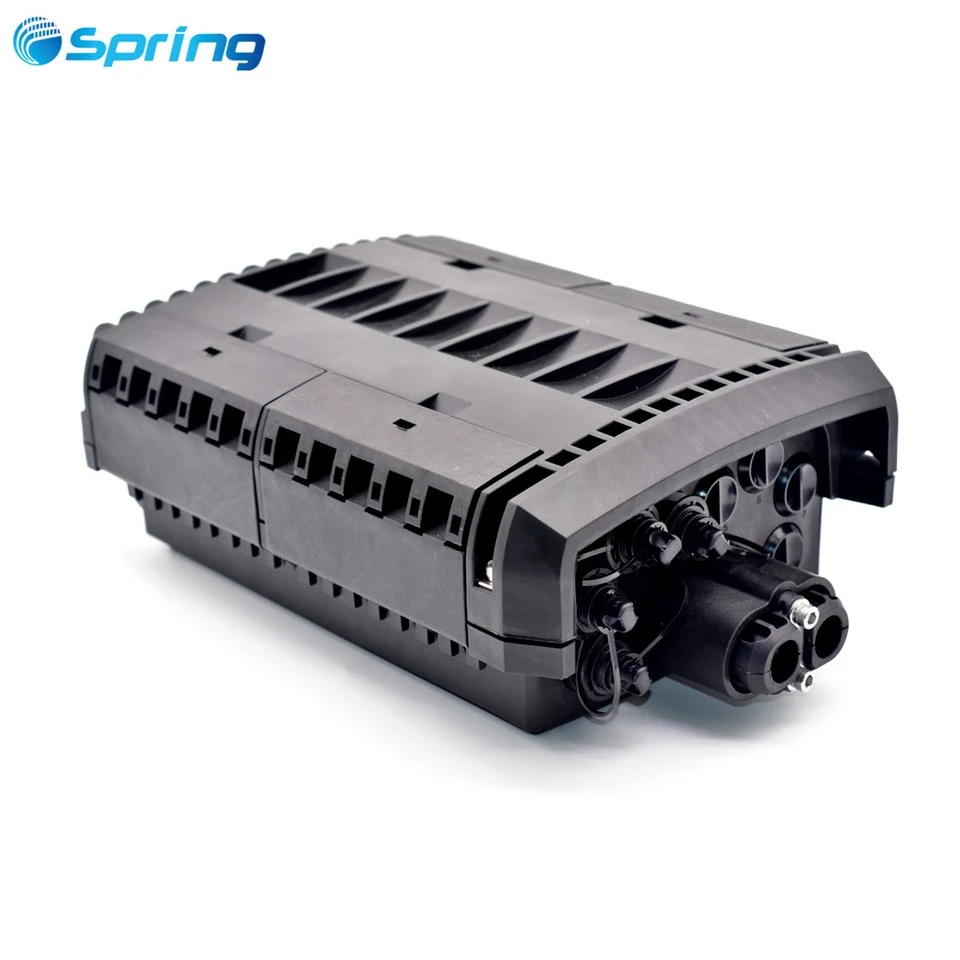
Fiber optic splice closures play a vital role in safeguarding your network's fiber connections from environmental threats like moisture, dust, and extreme temperatures. These enclosures are crucial for preserving the integrity of fiber splices, ensuring optimal network performance and longevity. Whether you are establishing a new network or maintaining an existing one, selecting the right splice closure is crucial. In this guide, we will explore the types of fiber optic splice closures, factors to consider during selection, and common issues associated with these closures.
Why Fiber Optic Splice Closures are Essential
Fiber optic splice closures offer numerous benefits that ensure the reliability and longevity of your network:
Protection: They shield fiber splices from environmental factors like moisture, dust, and mechanical stress, preventing damage and signal loss.
Organization: Splice closures keep fibers organized and accessible, simplifying maintenance and future upgrades.
Durability: Designed to endure harsh conditions, they help ensure the stability of fiber networks, which are essential for uninterrupted communication.
Without the proper splice closure, even minor environmental exposure can disrupt network performance. For example, if moisture infiltrates the enclosure, it could lead to water leakage, freezing in colder weather and damaging the fiber. Proper sealing and protection ensure the long-term reliability of your network.
Key takeaway: Fiber optic splice closures are indispensable for protecting and maintaining the integrity of your network's fiber connections, promoting reliability and performance.
Types of Fiber Optic Splice Closures
Fiber optic splice closures come in various types, each suited for different installation scenarios. Understanding the different options will help you select the right closure for your specific needs.
Horizontal Splice Closures
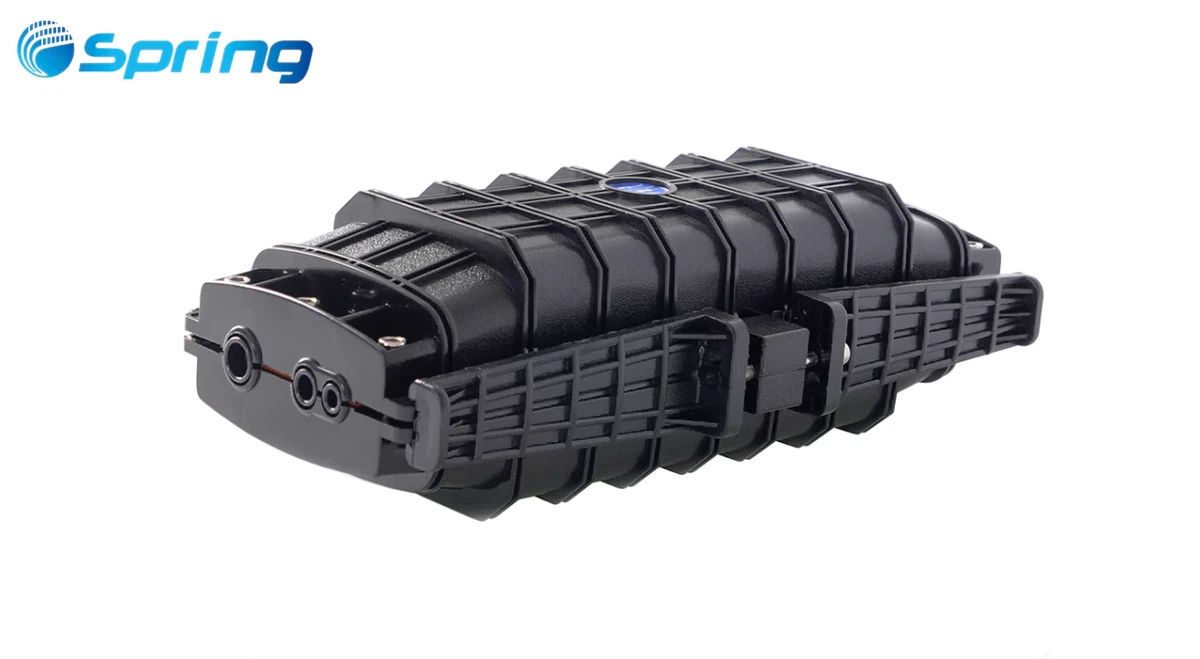
Advantages: Horizontal splice closures are commonly used for applications such as trunk lines and underground installations. They provide robust protection against moisture and dust, and are designed for easy access and fiber management.
Applications: Ideal for scenarios with limited space or high capacity requirements, such as data centers or long-distance trunk lines.
Key Features: These closures typically feature page-turning fusion splicing trays, which allow for easy and efficient fiber management.
Practical Advice: When selecting a horizontal splice closure, ensure that the number of splice trays meets your network's capacity. Look for models with flexible tray stacking options to allow for future expansion.
Vertical Splice Closures
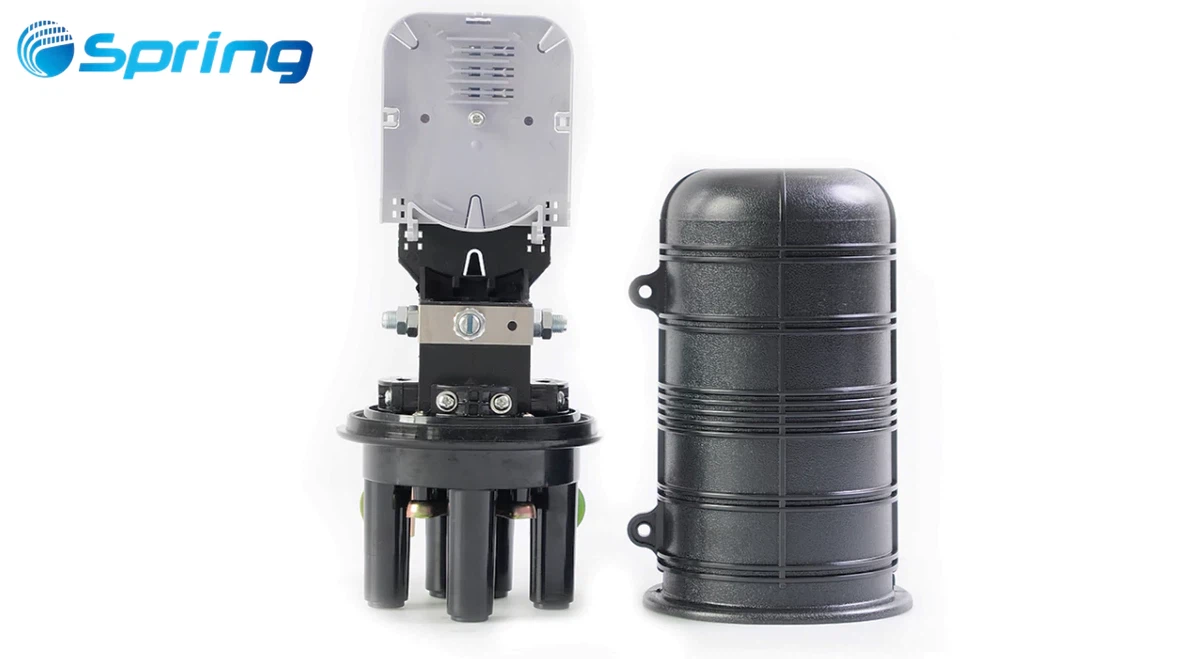
Advantages: Also known as dome closures, vertical splice closures are ideal for overhead and tunnel installations. They are designed for environments with vertical space and require high durability.
Applications: Suitable for environments that demand excellent moisture protection, such as underground or aerial installations.
Key Features: Vertical splice closures feature robust sealing mechanisms that prevent moisture and contaminants from affecting the fiber splices.
Practical Advice: Choose a vertical splice closure when the installation occurs in an environment prone to water exposure, such as tunnels or buried systems. Ensure the closure features a reliable sealing system (e.g., heat-shrink or gel sealing) for maximum protection.
Heat Shrink vs. Mechanical Splice Closures
Heat Shrink Splice Closures
These closures use heat-shrinkable tubing to seal and protect fiber splices. Known for their superior moisture resistance, they are ideal for outdoor environments.
Advantages: Easy installation, excellent waterproofing, and dustproof capabilities.
Disadvantages: Higher cost and limited flexibility for maintenance.
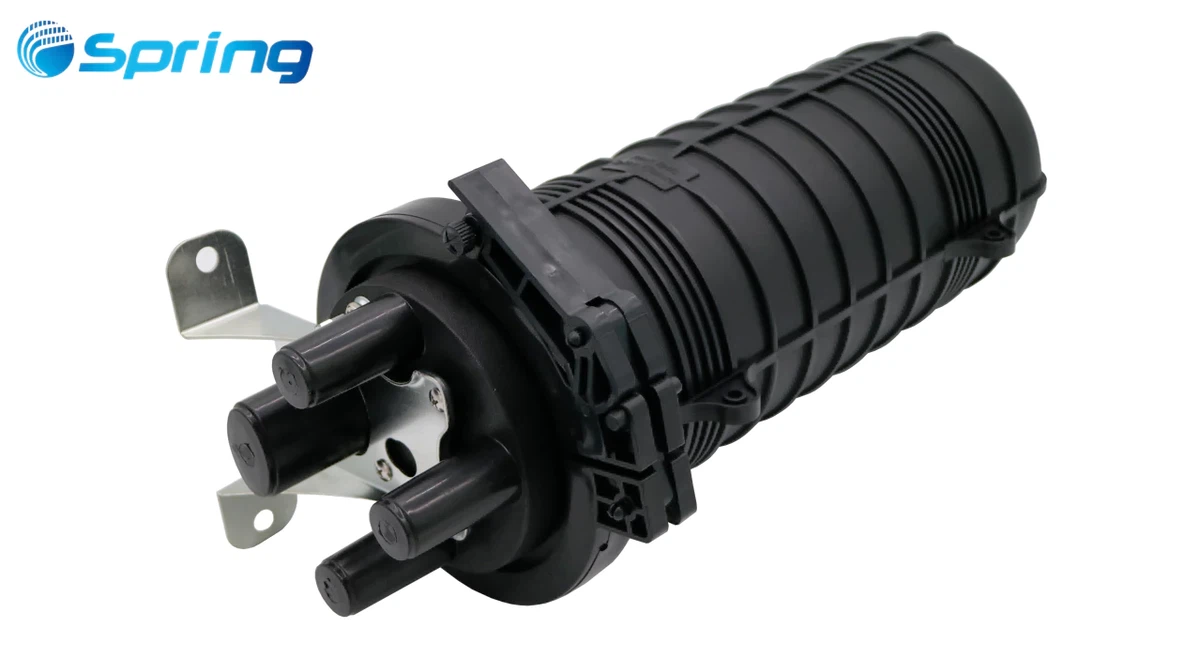
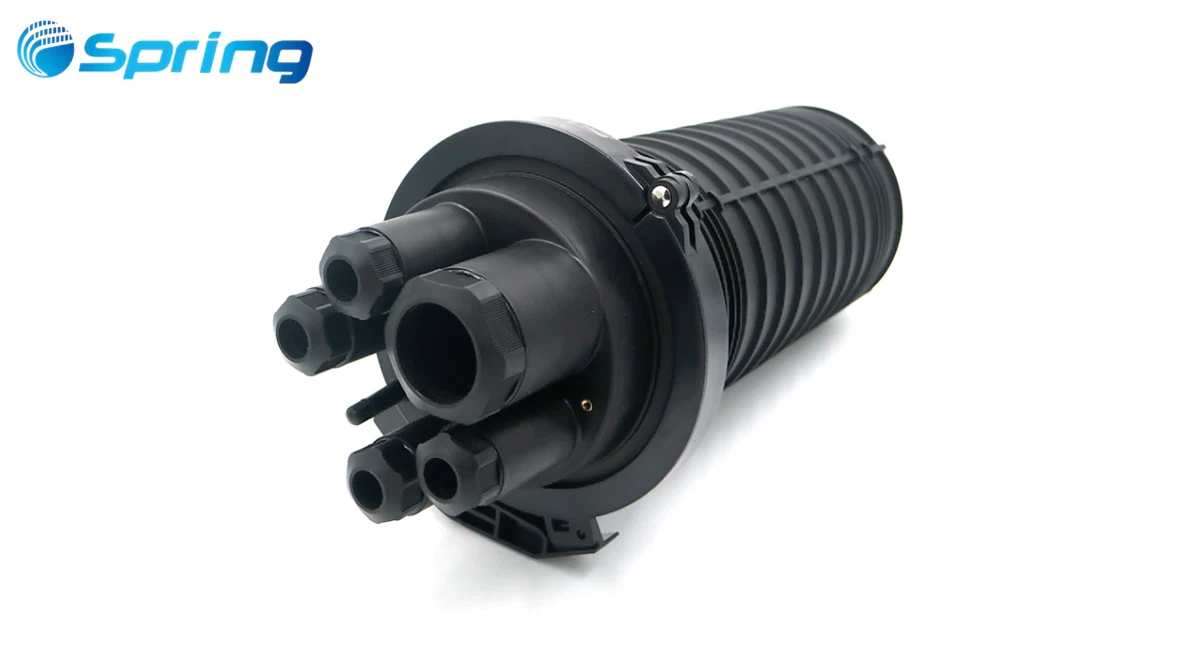
Mechanical Splice Closures
These closures rely on mechanical seals (e.g., sealing rings or compression fittings) to protect the splice.
Advantages: Easier to open and reseal, making them ideal for environments where regular access to the fibers is required.
Disadvantages: Less durable than heat shrink closures and not as effective in waterproofing.
Key takeaway: Choose heat shrink closures for permanent installations in harsh environments, and opt for mechanical splice closures if flexibility and ease of access are your priorities.
How to Choose the Right Fiber Optic Splice Closure
Selecting the appropriate fiber optic splice closure depends on several key factors:
1. Factors to Consider
Environment: Consider the type of environment where the closure will be installed-outdoor, underground, or indoor. For outdoor applications, ensure the closure offers high moisture and dust resistance, as well as UV protection.
Capacity: Assess the number of fibers you need to splice. Some closures can accommodate larger numbers and allow for future scalability.
Sealing Type: The sealing mechanism is critical in protecting the fibers from environmental threats. Heat-shrink, mechanical, and gel-based sealing methods each offer different levels of protection.
Practical Advice: If your installation is in a high-moisture or high-temperature environment, choose a closure with a sealing system designed for such conditions. Always account for future network expansion when selecting your closure.
2. Matching Closure to Installation Needs
Aerial Installations: For installations on poles or elevated structures, select closures that are resistant to extreme weather conditions and UV exposure. Look for closures that provide excellent moisture protection and feature a locking mechanism for easy access.
Buried Installations: If the closure will be buried underground, choose a model that provides superior protection against moisture, corrosion, and physical stress from soil pressure.
Practical Advice: For aerial installations, consider a self-supporting closure that is easy to install. For underground systems, prioritize closures with high-impact resistance and robust sealing features.
Common Issues with Fiber Optic Splice Closures and How to Solve Them
Even though fiber optic splice closures are generally reliable, they may face issues over time. Common problems include:
Water Infiltration: A failed sealing system can allow moisture to enter, damaging the fiber.
Mechanical Damage: Physical stress from construction or animals can damage closures.
Difficult Fiber Access: Fiber can become tangled or hard to manage, complicating maintenance.
Solutions: Regular inspection and maintenance are key. Ensure closures are properly sealed and check for signs of wear. Consider modular closures for easier fiber management and upgrades.
Conclusion
Selecting the right fiber optic splice closure is crucial for ensuring the long-term performance and reliability of your fiber optic network. By understanding the various types of closures, considering the key factors during selection, and knowing the common issues to address, you can protect your fiber connections and enhance the overall performance of your network.
For expert advice on selecting the ideal fiber optic splice closure for your network, contact us today. We can help you choose the best solution tailored to your specific installation needs and environmental conditions.
FAQ
Q: What's the difference between heat shrink and mechanical splice closures?
A: Heat shrink closures use shrink tubing for superior moisture protection, while mechanical splice closures are easier to open and reseal, but provide less effective sealing.
Q: How do I ensure my fiber optic splice closure is waterproof?
A: Choose a closure with a high IP rating (preferably IP68), and verify that it uses reliable sealing methods like heat shrink or gel-based seals to prevent water ingress.
Q: What is the ideal splice closure for overhead installations?
A: For overhead installations, select a self-supporting closure with UV resistance and easy installation features, such as a locking mechanism for quick access.