

Author: Alisa alisa@springoptic.com
Introduction: Why Fiber Splice Enclosures Are Critical to Network Reliability
Fiber optic cables are the backbone of modern telecommunications, enabling high-speed, long-distance transmission for telecom networks, CATV systems, data centers, and enterprise infrastructure.
These cables are deployed across extremely diverse environments-underground ducts, aerial routes, direct-buried installations, and even subsea applications. Over decades of operation, fiber networks are exposed to moisture, dust, temperature extremes, mechanical stress, and long-term aging.
From a manufacturing and network engineering standpoint, the weakest point in any fiber network is not the cable itself, but the fiber joint.
This is why the fiber splice enclosure, also known as a fiber optic closure, plays a decisive role. It acts as the long-term guardian of fiber joints, ensuring sealing integrity, mechanical stability, and consistent optical performance throughout the network lifecycle.
What Is a Fiber Splice Enclosure?
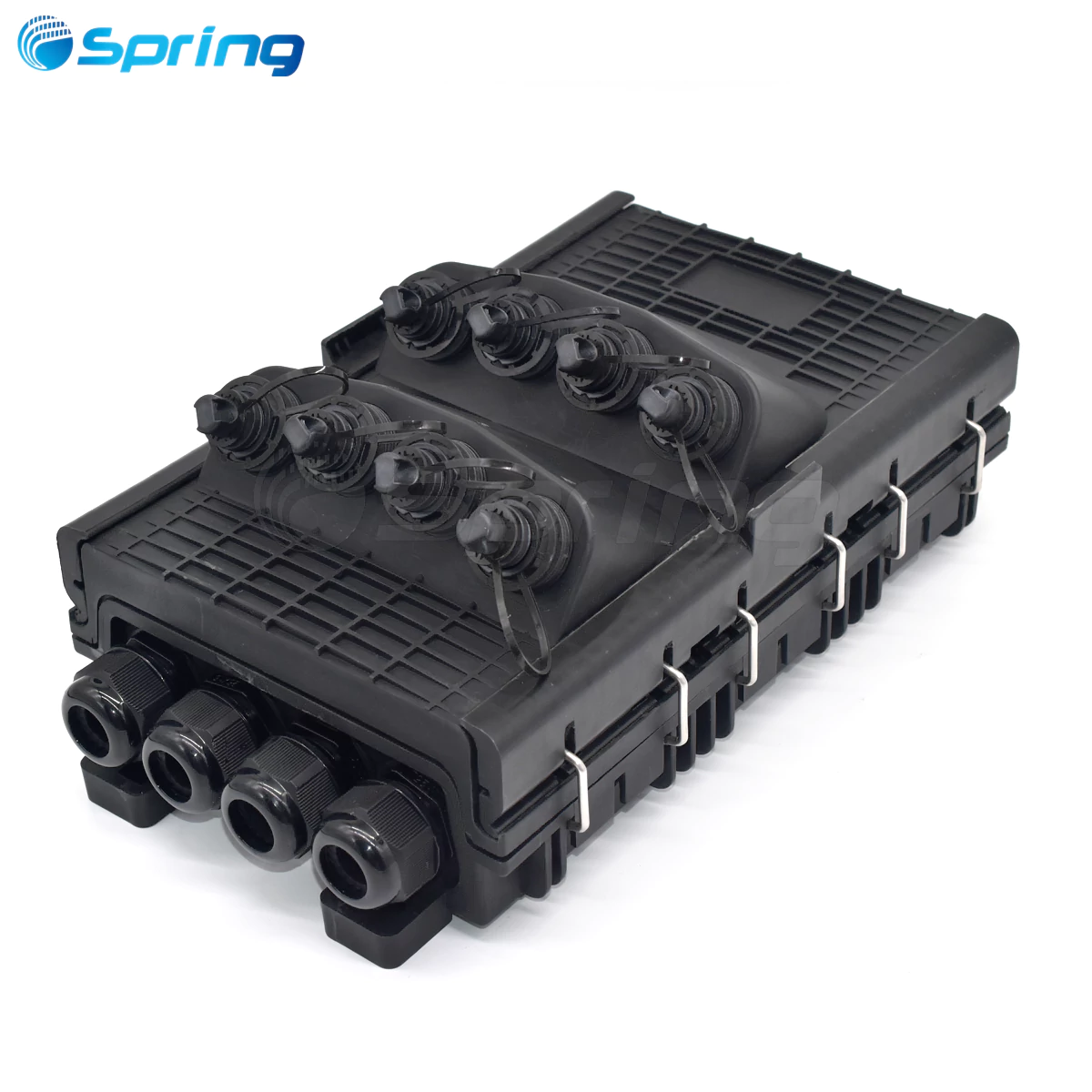
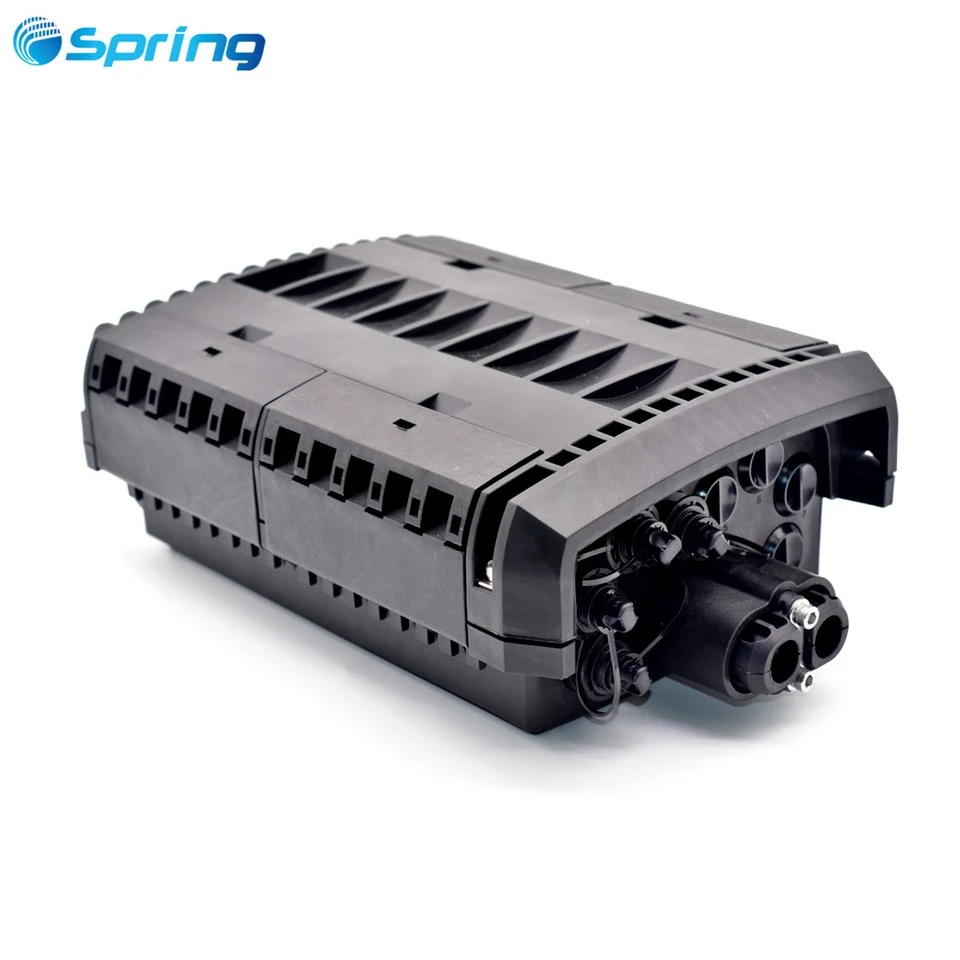
A fiber splice enclosure is a sealed protective housing designed to protect, organize, and manage fiber optic splicing points. It creates a controlled internal environment that shields optical fibers from:
Water ingress
Dust and contaminants
Mechanical stress and vibration
Temperature fluctuations
From a manufacturer's perspective, a high-quality fiber optic closure must balance mechanical strength, sealing performance, internal fiber management, and field operability.
Core Components of a Fiber Splice Enclosure (Engineering Perspective)
A standard fiber splice enclosure consists of four fundamental components:
1. Outer Housing
Provides mechanical protection against impact, compression, UV exposure, and environmental aging.
2. Internal Support Structure
Secures optical cables and strength members, ensuring mechanical loads are not transferred to fiber splices.
3. Sealing System
Prevents water, dust, and contaminants from entering the enclosure. Sealing performance directly determines outdoor service life.
4. Splice Trays
Organize fiber splices while maintaining proper bend radius and long-term optical stability.
Manufacturer Insight:
Poor internal fiber routing is one of the most common root causes of field attenuation issues. Well-designed enclosures allow flexible tray movement without violating minimum bend radius requirements.

Many outdoor fiber splice enclosures also integrate air valves, enabling pressure testing to verify sealing integrity during installation and maintenance. Adequate slack storage space is equally critical for future network reconfiguration.
Types of Fiber Splice Enclosures
Vertical (Dome-Type) vs. Horizontal (Inline-Type) Fiber Splice Enclosures
From a structural design standpoint, fiber splice enclosures are typically classified into vertical (dome) and horizontal (inline) types.
Vertical Fiber Splice Enclosures (Dome Type)

Cylindrical structure
Suitable for aerial, duct, and direct-buried installations
Commonly pole-mounted
Excellent sealing performance
Ideal for high-capacity backbone and FTTH distribution points
Horizontal Fiber Splice Enclosures (Inline Type)
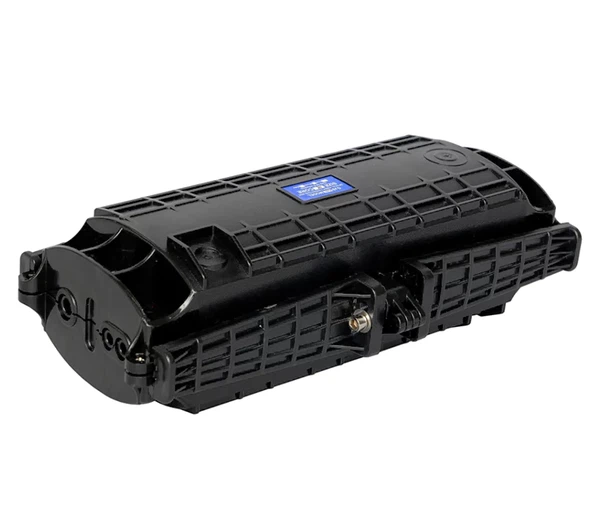
Flat, elongated structure
Easier mid-span access
Suitable for underground and aerial deployments
Common in access and distribution networks
Manufacturer Recommendation:
For long-term outdoor deployments with high environmental exposure, dome-type enclosures typically offer more stable sealing reliability.
Mechanical Sealing vs. Heat-Shrink Sealing Fiber Optic Closures
Heat-Shrink Sealing Fiber Splice Enclosures

Heat-shrink designs use heat-shrink sleeves to seal cable entry points.
Advantages:
Superior waterproof performance
Excellent long-term sealing
Limitations:
Not ideal for frequent re-entry
Maintenance requires additional tools and materials
Mechanical Sealing Fiber Splice Enclosures

Mechanical sealing relies on compression sealing rings at cable ports.
Advantages:
Easy installation and reopening
Ideal for FTTH and access networks
Limitations:
Slightly lower sealing performance compared to heat-shrink designs
From real-world FTTH deployments, mechanical sealing enclosures are often preferred due to their balance of sealing reliability and operational flexibility.
Fiber Splice Enclosures With Splitter vs. Without Splitter
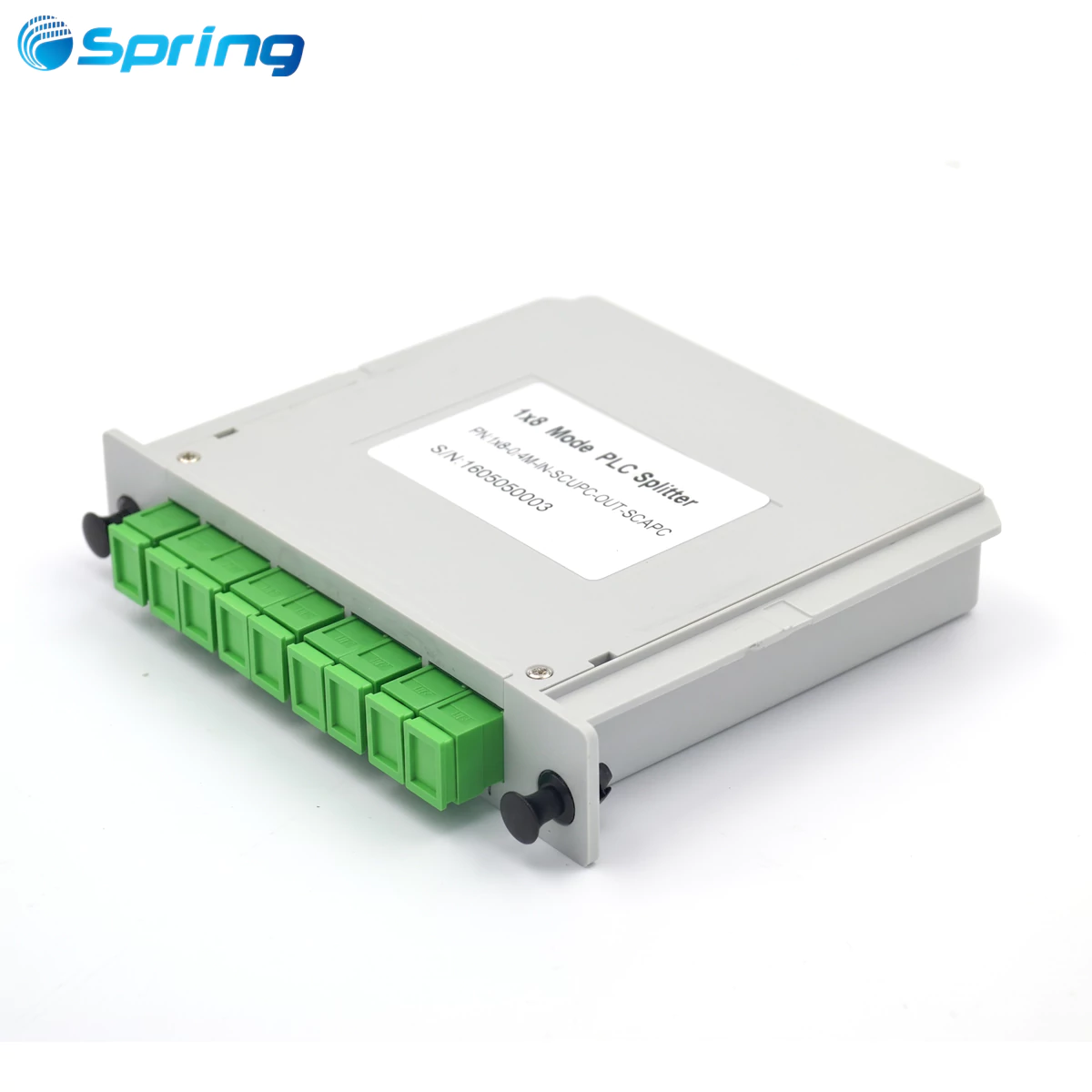
Splitter-Integrated Fiber Splice Enclosures
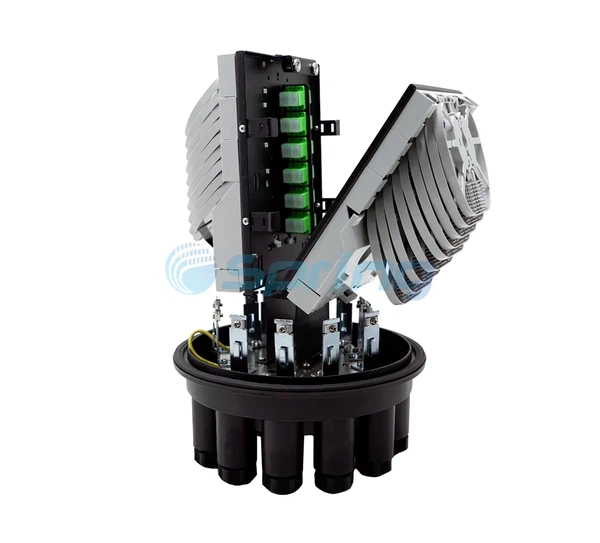
Designed for PON and FTTH networks, allowing optical signal distribution within the enclosure.
Non-Splitter Fiber Splice Enclosures

Used purely for fiber splicing and cable protection in backbone and feeder networks.
Manufacturer Insight:
Splitter integration significantly impacts internal layout design and thermal management, requiring enclosure designs optimized from the tooling stage.
Key Performance Requirements of a Fiber Splice Enclosure
From a manufacturing and engineering standpoint, a reliable fiber splice enclosure must meet the following criteria:
Long-Term Durability: Resistance to aging, corrosion, and UV exposure
High Mechanical Strength: Withstands tension, compression, and vibration
Waterproof Protection: Typically IP68-rated for outdoor environments
Effective Sealing Mechanism: Prevents dust and contaminants
Installation Versatility: Supports aerial, underground, and direct-buried applications
Applications of Fiber Splice Enclosures
Telecommunications & Backbone Networks
Protect fiber joints in long-haul and metro networks, ensuring uninterrupted signal transmission.
Data Centers
Manage complex fiber routing while protecting splice points and reducing signal loss.
CATV Networks
Maintain stable video transmission at critical network nodes.
FTTH and FTTP Deployments
Enable efficient fiber distribution at access points while protecting splices from environmental damage.
Industrial & Utility Networks
Protect fiber infrastructure in harsh environments such as power grids, factories, and oil & gas facilities.
How Network Planners and Manufacturers Choose the Right Fiber Splice Enclosure
1. Cable Compatibility
Match enclosure design to cable type, diameter, and fiber count.
2. Entry Capacity
Ensure sufficient cable ports for current deployment and future expansion.
3. Strength Member Termination
Proper fixation prevents mechanical stress and thermal expansion damage.
4. Splicing Method
Ribbon splicing and mechanical splicing require more internal space.
5. Installation Environment
Aerial, underground, wall-mounted, or direct-buried applications demand different enclosure designs.
6. Cable Management & Bend Radius
Well-designed enclosures allow tray movement without sharp fiber bends.
7. Accessibility & Maintenance
Mechanical sealing designs are preferred where frequent re-entry is expected.
Frequently Asked Questions (FAQ)
What is the difference between a fiber splice enclosure and a fiber termination box?
A splice enclosure protects fiber joints in outdoor or harsh environments, while termination boxes are typically used indoors for patching.
Can fiber splice enclosures be reopened?
Yes. Mechanical sealing enclosures support repeated reopening, while heat-shrink designs are intended for permanent installations.
Which fiber splice enclosure is best for FTTH networks?
Mechanical sealing enclosures with splitter integration are commonly used.
Are fiber splice enclosures waterproof?
High-quality outdoor fiber splice enclosures are typically IP68 rated.
Conclusion: Manufacturer Perspective on Fiber Splice Enclosures
Fiber splice enclosures are foundational components of modern fiber optic networks. From global telecom infrastructure to FTTH access networks and industrial systems, they quietly ensure signal reliability, environmental protection, and long-term network stability.
From a manufacturer's standpoint, the right enclosure design reduces maintenance costs, minimizes network downtime, and extends fiber network lifespan. Selecting a properly engineered fiber splice enclosure-and installing it correctly-is essential for the sustainable growth of fiber optic communication in the digital era.
Author: Alisa – Fiber Optic Engineering & Manufacturing Specialist
Organization: Global Fiber Optic Connectivity Manufacturer
Industry Experience: 15+ years in fiber splice enclosure design, tooling, and mass production
Expertise Areas:
Outdoor fiber splice enclosures
FTTH / FTTx access network infrastructure
Optical cable protection and sealing systems
Telecom, utility, and industrial fiber deployments
This article is written from Alisa's perspective as a fiber optic manufacturer engineer, combining real-world deployment experience with enclosure design and production best practices.
Key Keywords: fiber splice enclosure, fiber optic closure, outdoor fiber splice enclosure, FTTH splice enclosure