

What is a Fiber Blowing Solution?
The fiber blowing solution is an innovative cabling technology that uses glass fiber optic cables blown through a ducting pipe. These main ducting pipes can contain up to 19 microducts, enabling flexible and scalable network design. A specially coated, "blowable" optical fiber is pushed and carried through a microduct using compressed air, offering unparalleled installation efficiency and cost-effectiveness.
In this blog post, we'll cover everything you need to know about air-blown fiber systems, including how they work, where they're used, benefits compared to traditional fiber optic cable installation, and key implementation steps for successful deployment.
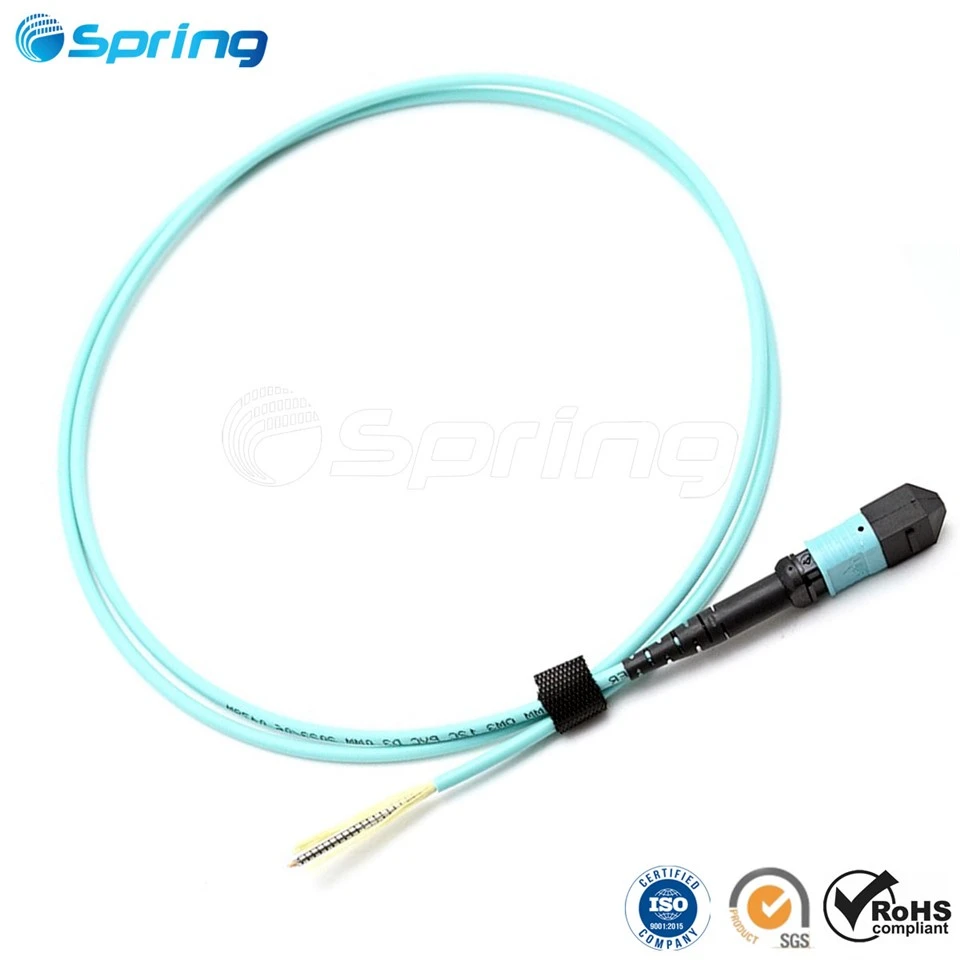
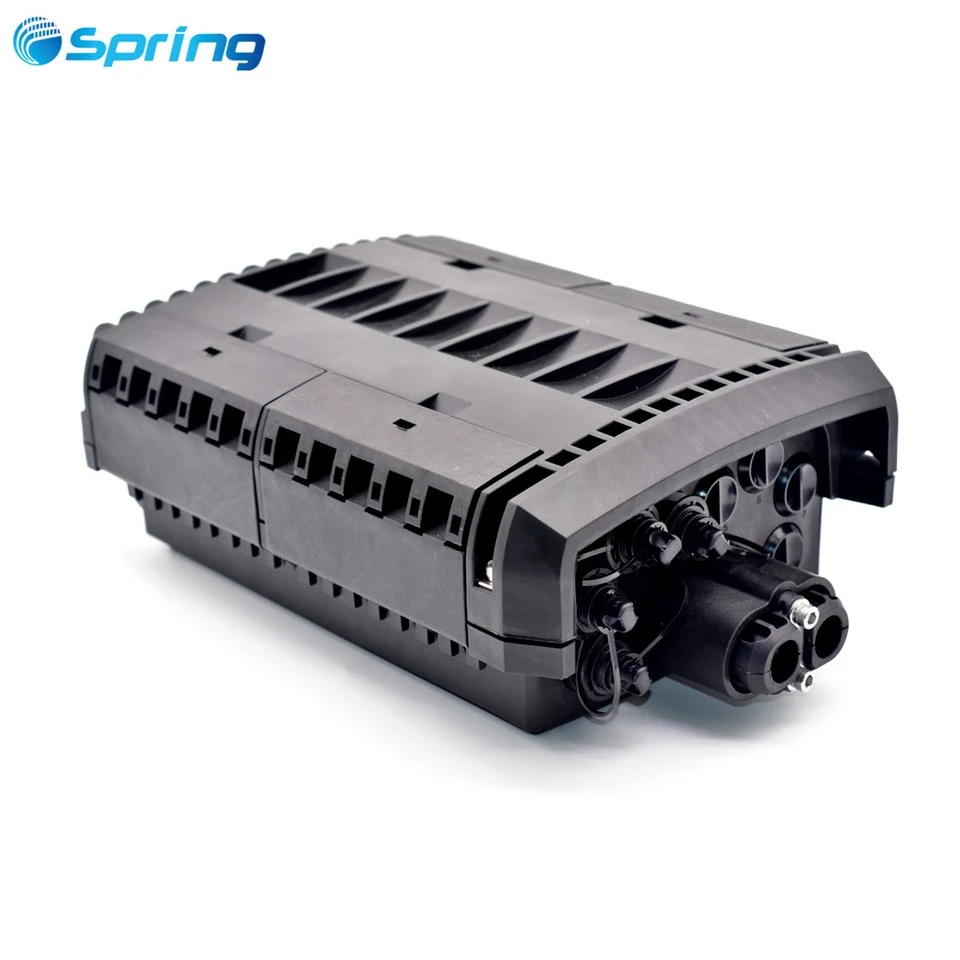
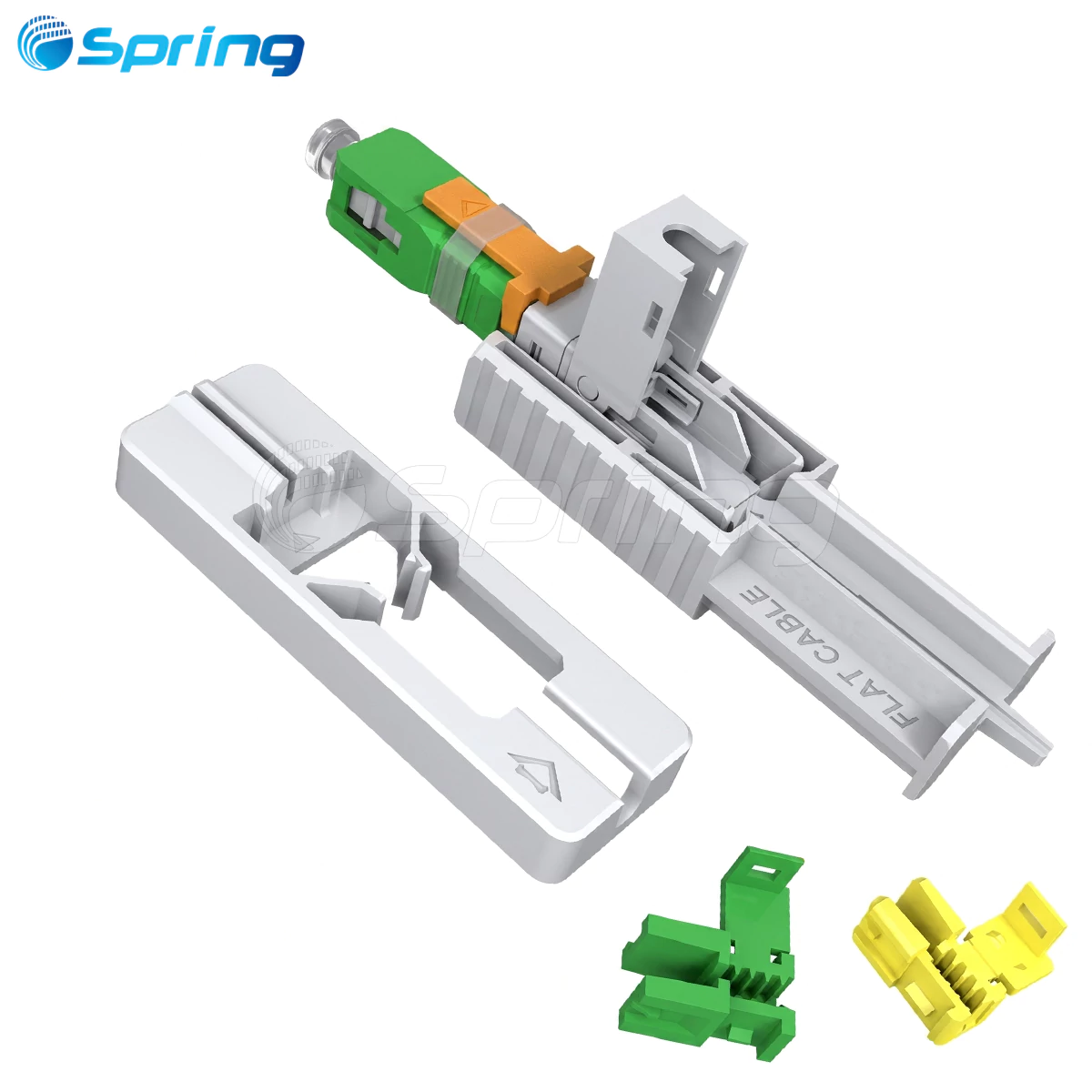
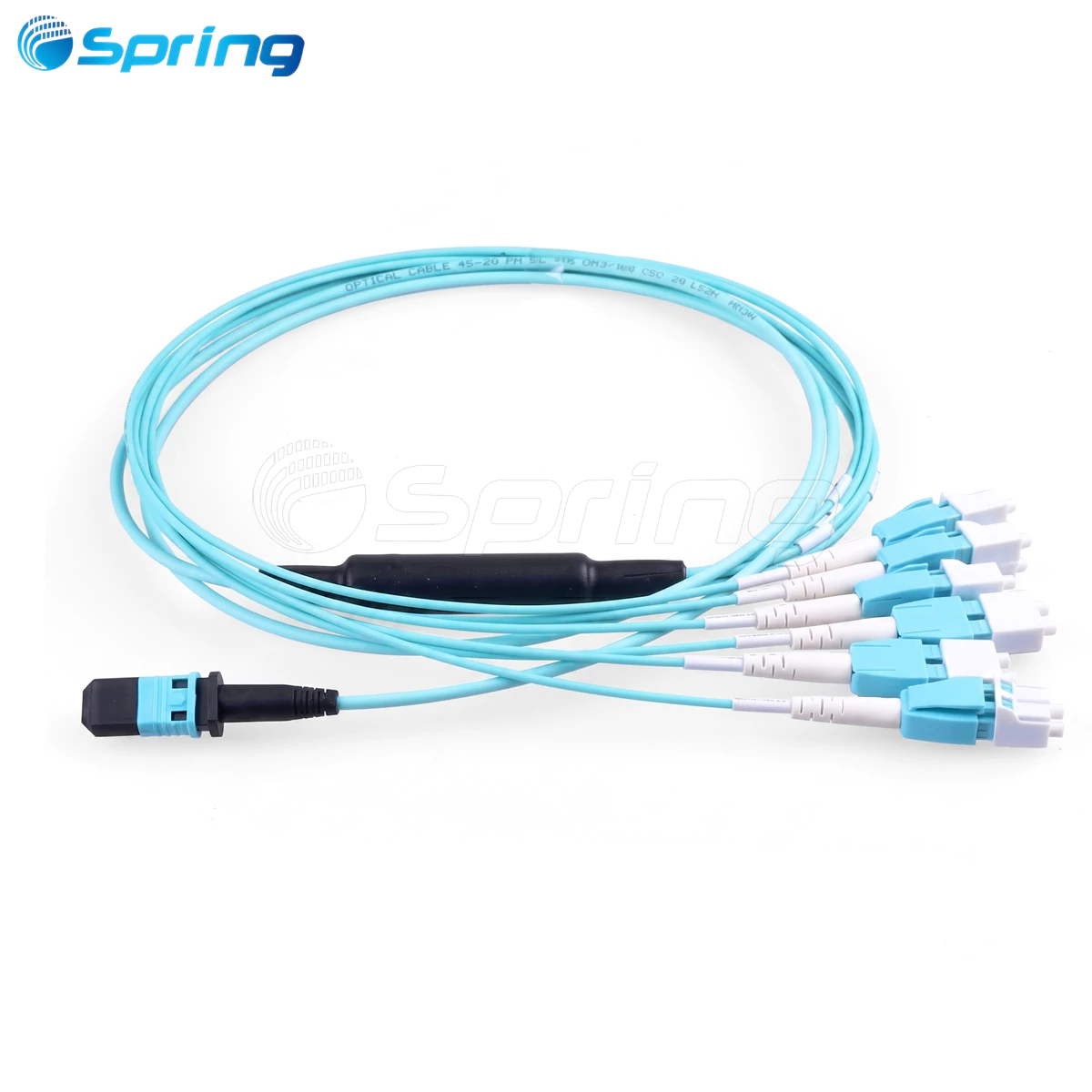
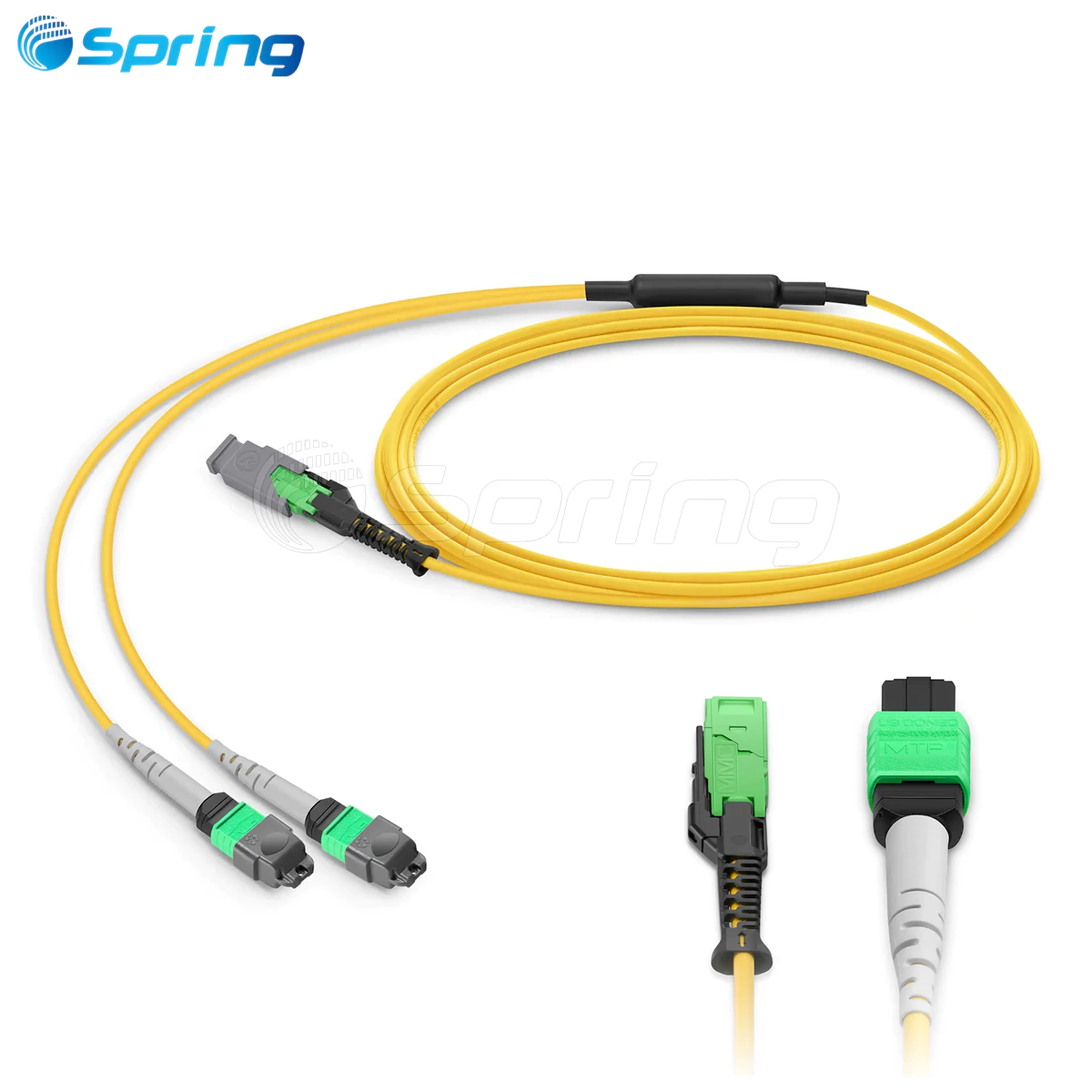
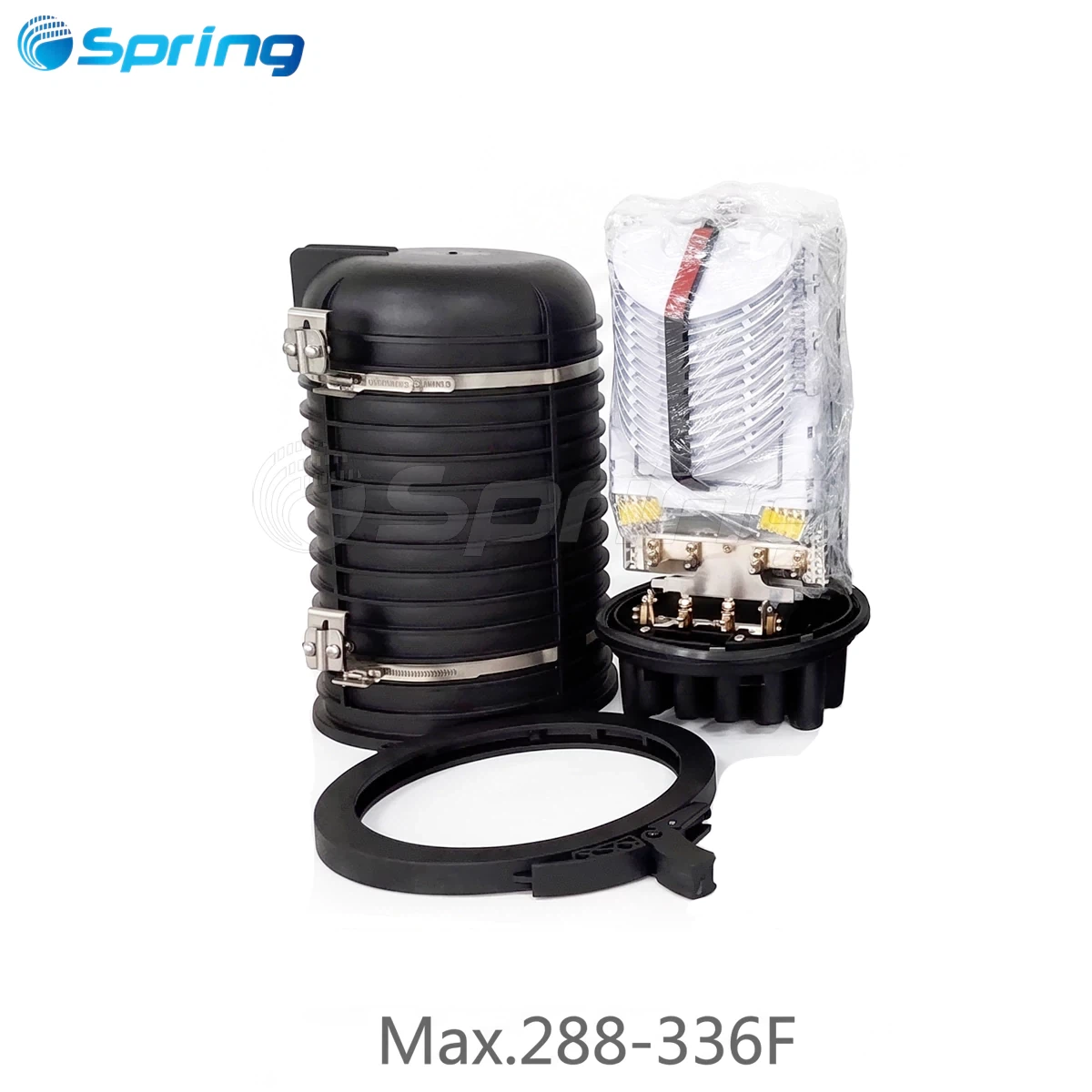
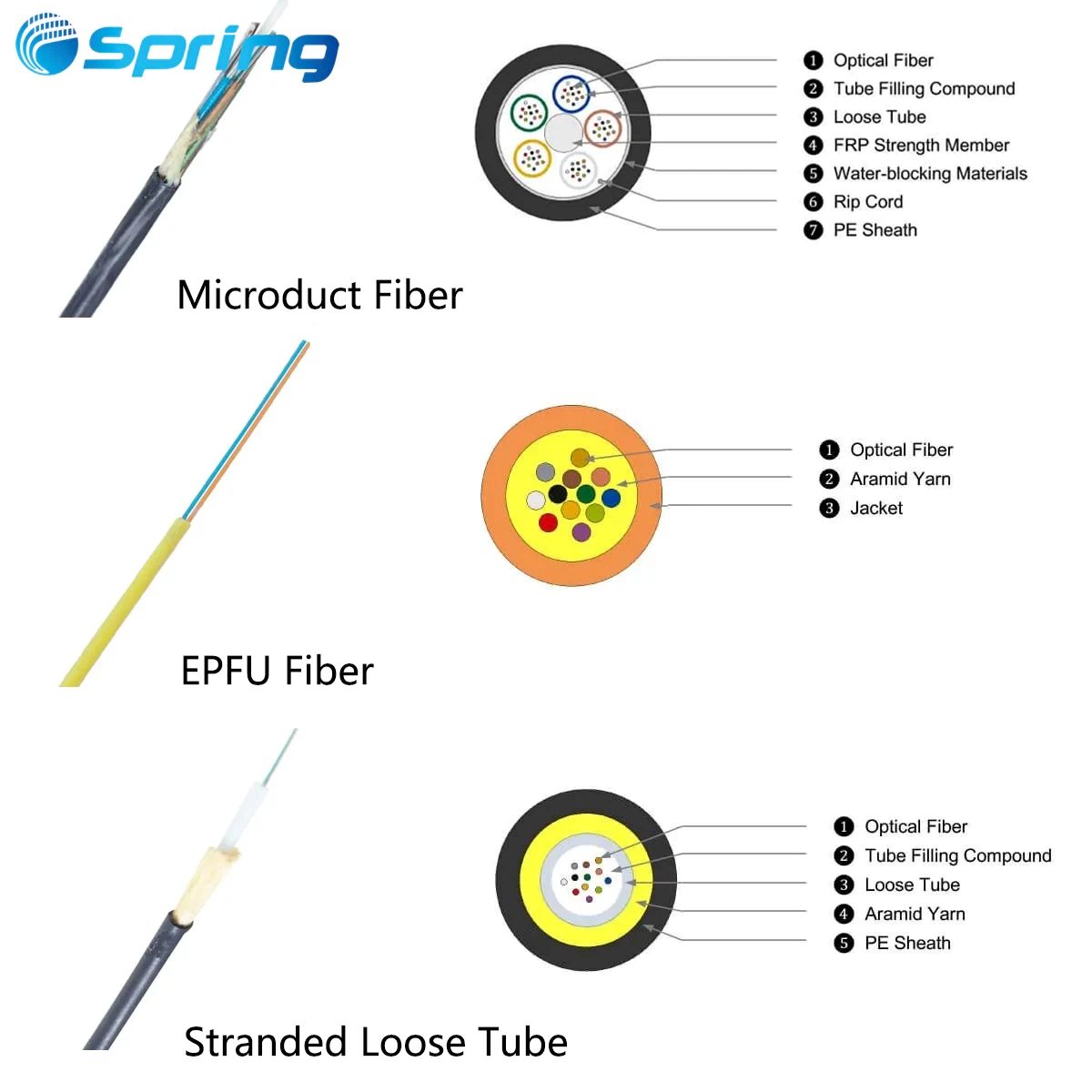
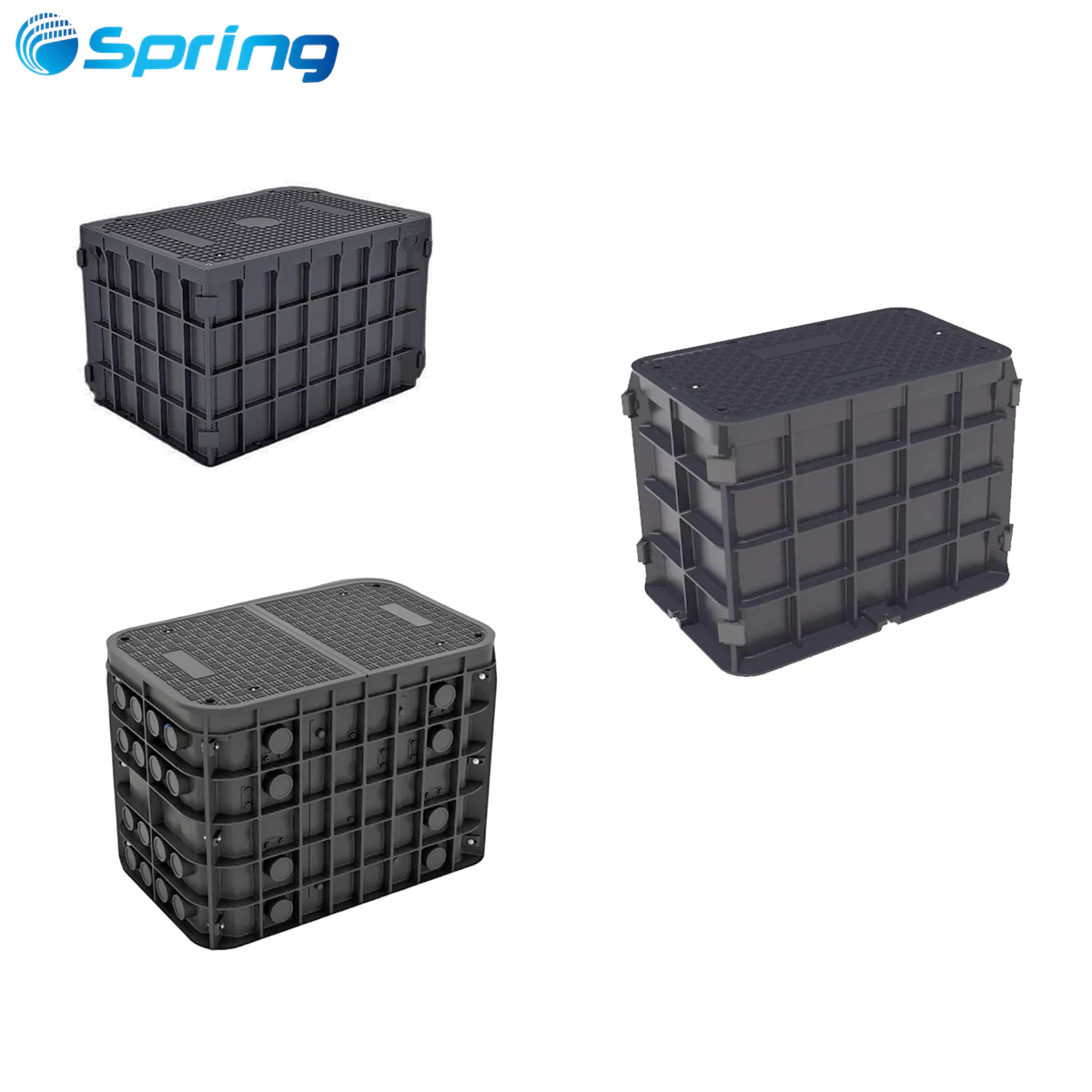
Fiber blowing solutions include:



How Does Air Blown Fiber Work?
Imagine a maglev train gliding smoothly above the track with minimal friction. The air blown fiber system works similarly. High-pressure air is blown into microducts, creating a cushion of air that significantly reduces friction between the fiber cable jacket and the inner wall of the duct. In essence, the fiber optic cable "floats" in the air, allowing for faster and easier installation.
Microducts are highly modular-easily disassembled, rerouted, and reused. Fiber cables can be blown in these microducts without splicing, enabling flexible point-to-point installations and easier upgrades.
Air Blown Fiber vs. Traditional Fiber Optic Cable Installation
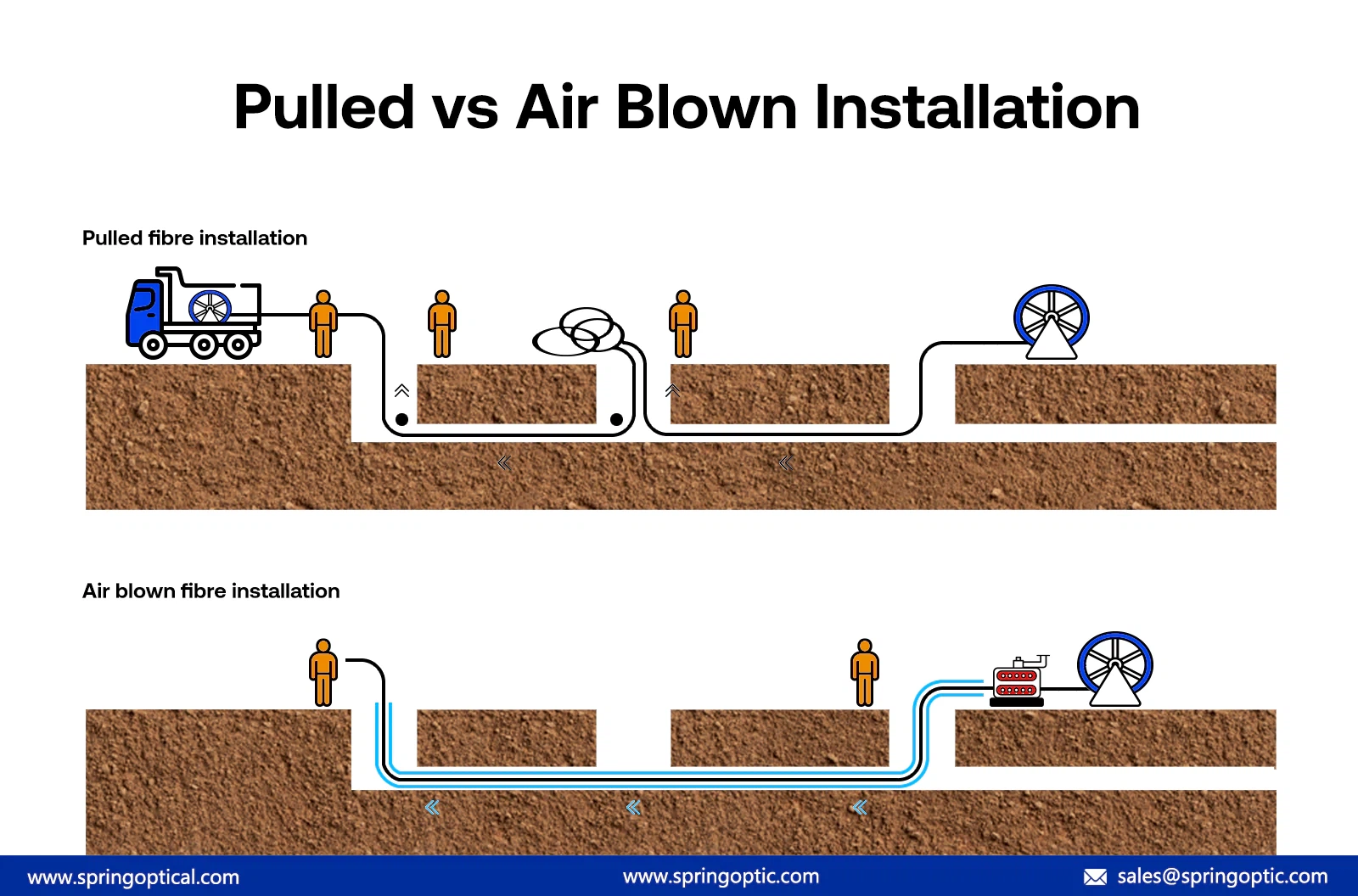
Traditional structured cabling using fiber optic cables is reliable and cost-effective for many private networks. However, air-blown fiber offers several distinct advantages, especially in environments with frequent moves, adds, and changes (MACs). Blown fiber systems minimize the number of splices, reduce material costs, and accelerate deployment.
However, air-blown fiber may not be the best solution for environments with very high permanent fiber counts (e.g., 144, 288 fibers), where traditional backbone cabling is more practical.
Air-blown fibre advantages
• Air-blown fibre has a number of advantages over traditional fibre optic installations.
• Allows for incremental installation of cables
• Reduction of splice point
• Reduction of installation time
• Simplified network design
• Higher reliability and performance
• Overall reduction in initial deployment costs and greatly reduced costs for upgrades and overlay builds
• Ducts protect cables from harsh environments
• Easier future expansion requires repeated digging
Compared to traditional fibre optic installations, air-blown fibre allows for faster and cheaper upgrades to existing networks. As the needs and requirements of businesses change over time, their bandwidth requirements often expand. Once the backbone of microducts of air-blown fibre has been installed, with spare ducts designed into the network, it makes the addition of more fibres a simple matter of blowing a new cable into the already installed duct, with an associated very low cost for deployment. Should all the ducts be occupied, then existing fibre can be either blown out or retained, before new fibre is blown in. This allows flexibility for incremental installation of fibre whilst reducing installation time and cost.
Due to its space-saving installation compared to traditional fibre, network technology can be upgraded without any disruptions, at a lower cost and much faster, giving businesses much more flexibility in their network setups. Air-blown fibre requires fewer connection points, which greatly reduces splicing points, helping lower attenuation and simplifying the overall network design.
The Cable Blowing Technique: How It Works
Cable blowing emerged in the early 1980s as an effective alternative to pulling fiber optic cables through ducts. Instead of using pulling forces alone to reduce tension on fiber optic cables, blowing utilizes pushing forces and air flow instead to minimize tension on them and reduce damage risk.
Key Steps in Fiber Cable Blowing:
Initial Push: The fiber cable is initially introduced into the microduct via a fiber cable blowing machine feeder.
Air Flow Injection: High-pressure air from an air compressor then propels it along its path, reducing friction and speeding installation.
Factors Affecting Fiber Cable Blowing
Several factors influence the success of air-blown fiber installation:
• Route Shape
Changes in direction (bends or turns) increase friction and reduce the maximum blowing distance.
• External Conditions
High temperatures can deform polyethylene microducts (creating a "snake effect"), while high humidity can dilute lubricants and increase friction.
• Fiber Blowing Machine Selection
Choose a fiber blowing machine suited to the cable type (micro-cable vs. mini-cable) and ensure the maximum pushing force is calibrated to avoid damaging the cable.
• Duct Design and Size
Using grooved HDPE microducts minimizes friction. Ensure the microduct's inner diameter matches the fiber optic cable's diameter.
Implementation Steps for Successful Air Blown Fiber Installation
• Microduct Calibration
A ceramic part is blown through the duct to check for any deformations or damage. If it reaches the end, the microduct is in good shape.
• Cleaning
Using a sponge or cloth, blow out any water, mud, or debris until the microduct is clean and dry.
• Lubrication
Apply the recommended lubricant to minimize friction. Avoid excessive use, as too much lubricant can be counterproductive.
• Cable Preparation
Attach a bullet (cable head) to the cable end to streamline airflow and minimize friction at connectors or bends.
• Technician Expertise
An experienced technician can adjust parameters in real time for optimal performance. Bending radius during turns should be at least 40 times the microduct's external diameter (per EN 60794-1-21:2015).

The fiber blowing solution offers a modern, efficient, and cost-effective approach to deploying fiber optic networks, whether for FTTH applications, 5G backhaul, data centers, or urban underground networks. With the right equipment, planning, and technician expertise, air-blown fiber systems can revolutionize how fiber networks are installed and expanded.
SPRING OPTIC provides a one-stop fiber blowing solution with high-quality products at very competitive prices. If you want to learn more or request free samples, please contact us at sales@springoptic.com.