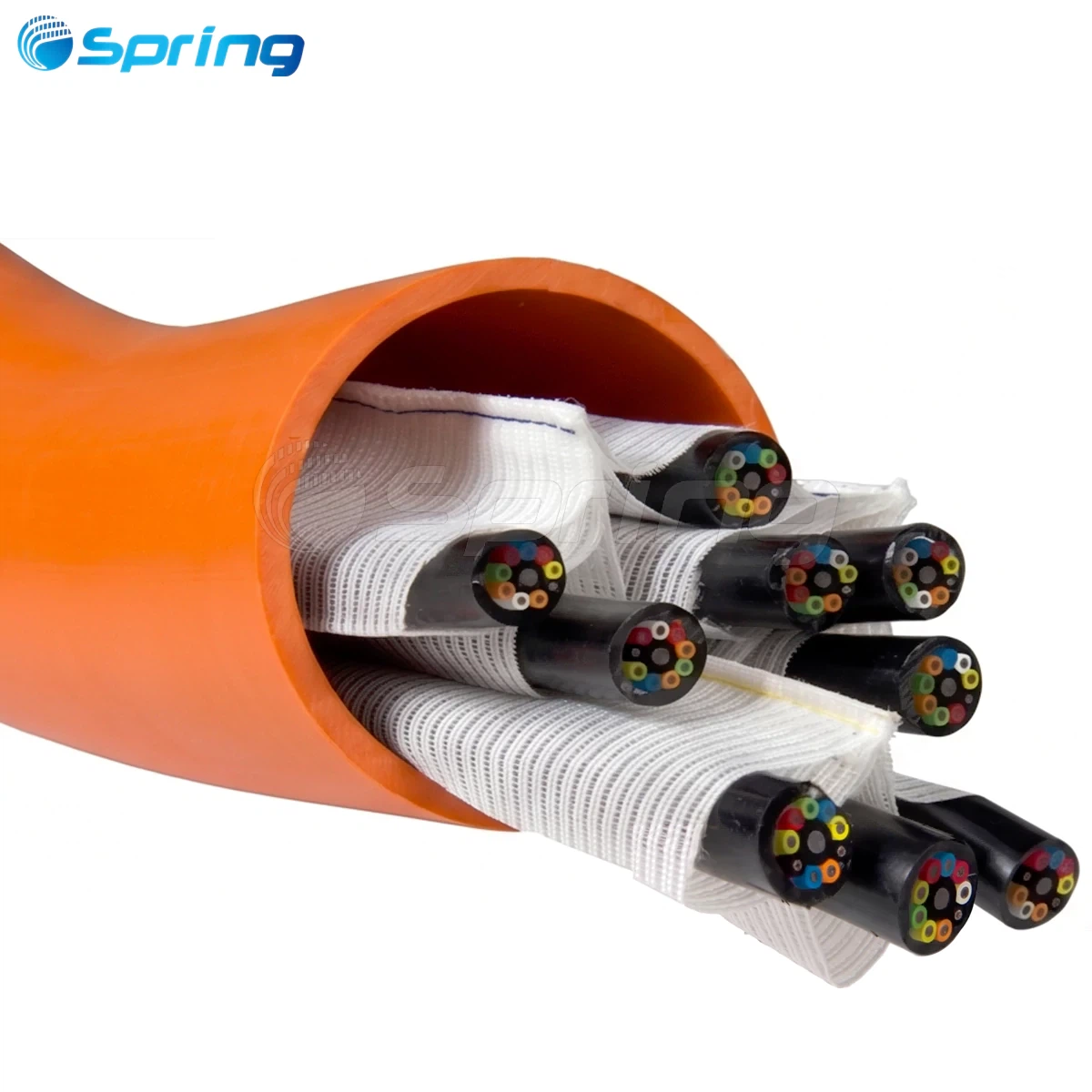


A fiber optic wall plate is a critical indoor FTTH termination component that connects fiber drop cables to end-user optical devices such as ONTs or fiber routers. It ensures safe fiber management, stable optical performance, and a standardized interface for residential and telecom broadband networks.
What is a Fiber Optic Wall Plate?
A fiber optic wall plate is an indoor fiber termination outlet installed on walls in homes, apartments, offices, and telecom rooms. It provides a protected connection point between incoming FTTH fiber and indoor optical equipment.
Unlike traditional electrical outlets, it is specifically engineered for optical signal integrity, low-loss transmission, and controlled fiber management.
Key Functions in FTTH Networks
A fiber optic wall plate plays several essential roles in fiber access networks:
Protects fiber splices and connectors from physical damage
Maintains proper bend radius for stable signal transmission
Supports SC, LC, and duplex fiber adapters
Organizes indoor fiber routing in a structured way
Provides a standardized FTTH termination interface
Reduces maintenance frequency and troubleshooting cost
Fiber Optic Wall Plate in FTTH Architecture
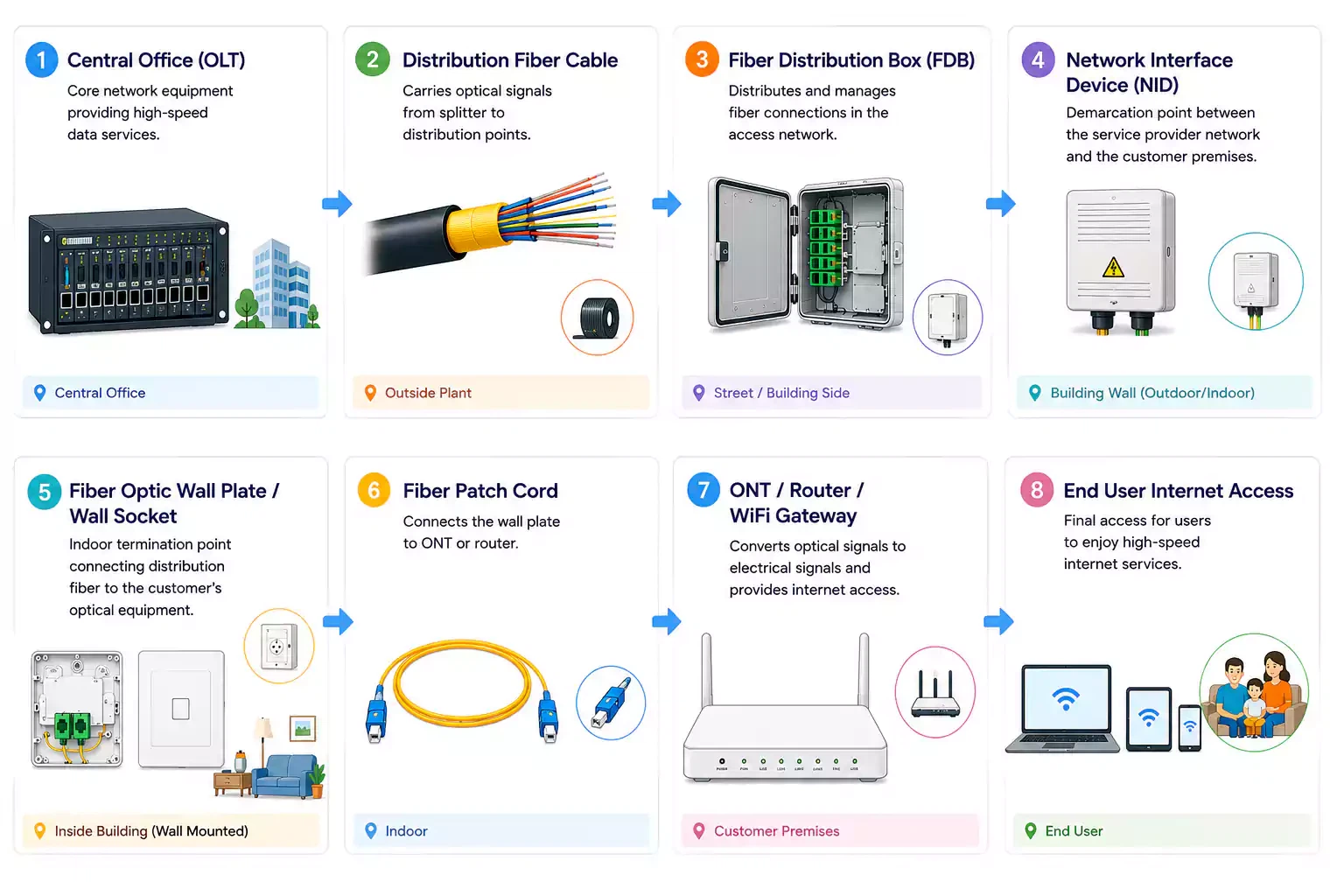
In a typical FTTH (Fiber to the Home) network, the wall plate is the final passive interface before the optical signal reaches the ONT.
FTTH Signal Flow:
Central Office (OLT) → Distribution Fiber Cable → Fiber Distribution Box (FDB) → Network Interface Device (NID) → Fiber Optic Wall Plate → Fiber Patch Cord → ONT / Router → End User
The fiber wall plate is the last critical termination point before user access.
Engineering Importance of Fiber Optic Wall Plates
Why Wall Plates Affect FTTH Performance
Although small in size, the wall plate is one of the most sensitive points in the entire FTTH chain. Poor installation or contamination can directly degrade broadband performance.
Common issues include:
Increased insertion loss due to dirty connectors
Signal reflection caused by poor polishing
Fiber bending stress reducing transmission stability
FTTH Engineering Performance Standards
Telecom operators typically require strict optical performance:
Insertion Loss ≤ 0.3 dB
Return Loss ≥ 50–60 dB (depending on SC/UPC or SC/APC)
Minimum Bend Radius ≥ 30 mm
These standards ensure stable operation of GPON, XGS-PON, and future 10G/50G optical networks.
Fiber Optic Wall Plate vs Wall Socket vs Termination Box
Although these terms are often used interchangeably, they serve different functions:
Fiber Wall Plate → Indoor FTTH termination point connecting ONT
Fiber Wall Socket → Subscriber access interface
Fiber Termination Box → Distribution and splicing node for multiple fibers
In short, wall plates and sockets are end-user interfaces, while termination boxes belong to the distribution layer.
Types of Fiber Optic Wall Plates
SC/APC Fiber Wall Plate
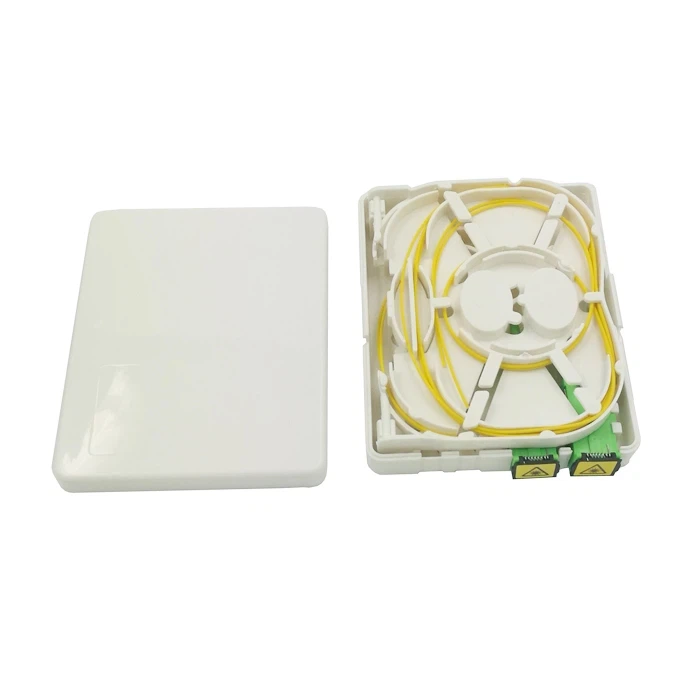
SC/APC wall plates use an 8° angled ferrule design (green connector). They provide very low optical reflection and high return loss performance, typically up to -60 dB.
They are widely used in:
Residential FTTH networks
GPON and XGS-PON deployments
ISP broadband projects
This is the most commonly used FTTH wall outlet type globally.
SC/UPC Fiber Wall Socket
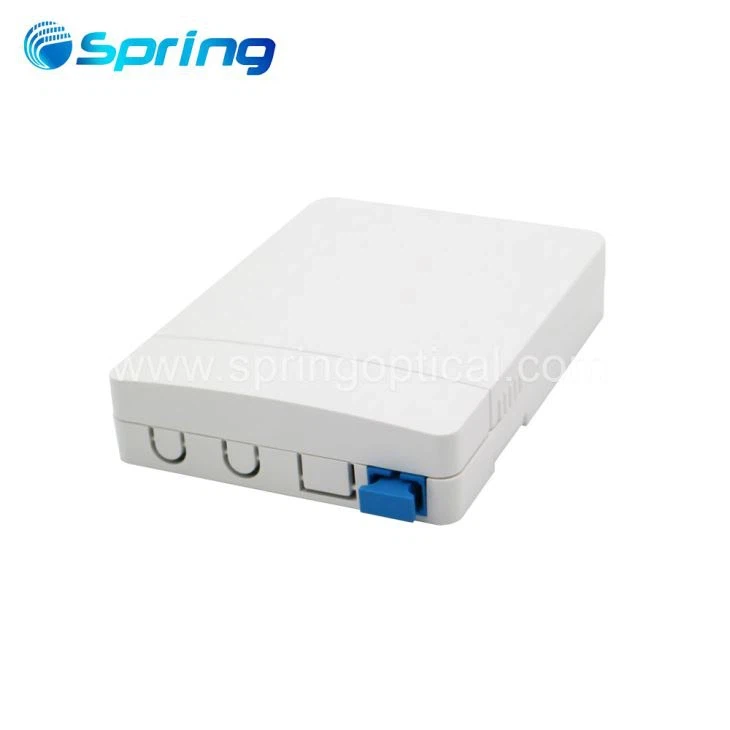
SC/UPC connectors use a flat-polished interface (blue connector). They offer a cost-effective solution with return loss around -50 dB.
Typical applications include:
Enterprise fiber LAN
Internal telecom communication systems
Non-PON optical networks
LC Duplex Fiber Wall Outlet
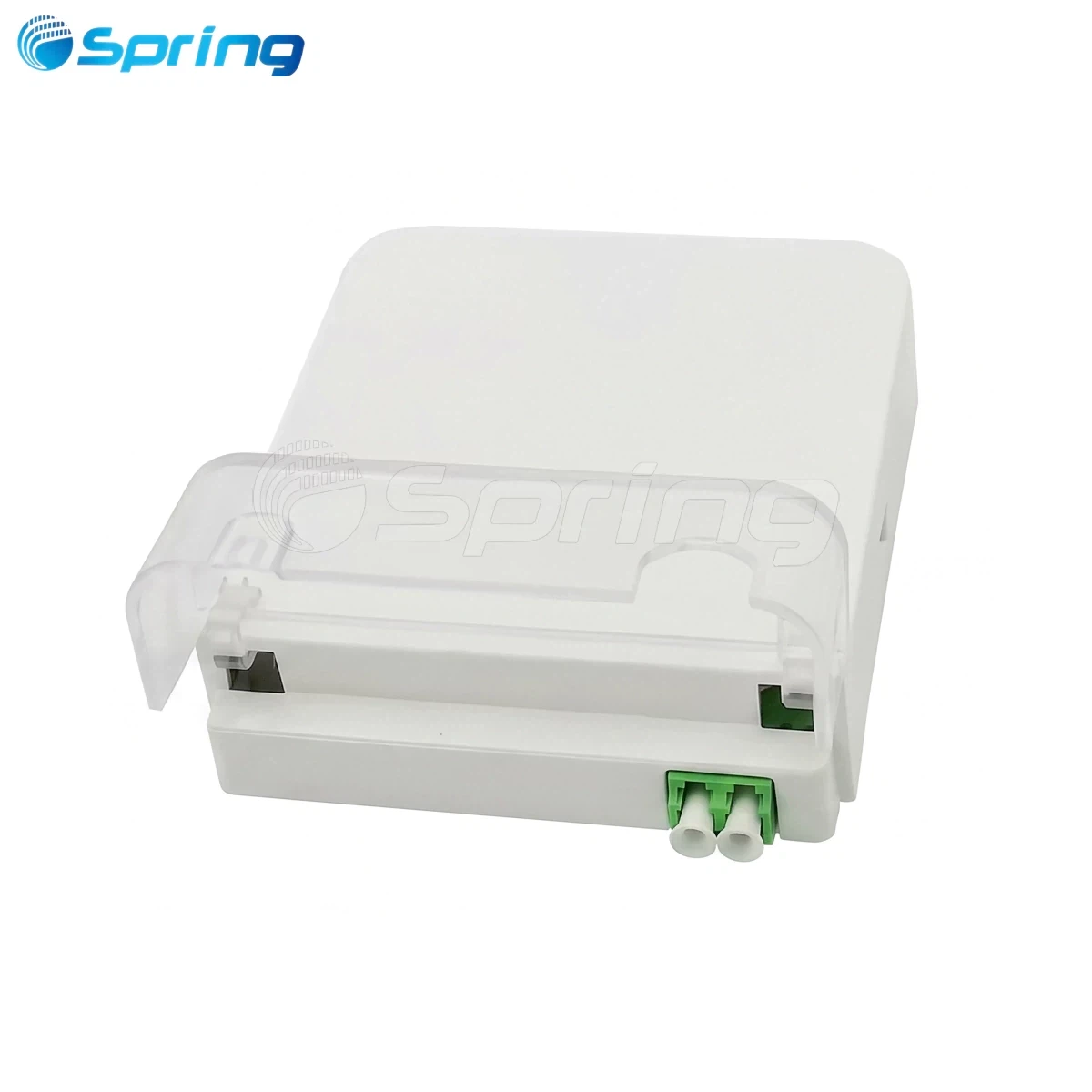
LC duplex wall plates are designed for high-density fiber environments. Their compact structure supports two fibers in a single module.
They are commonly used in:
Multi-Dwelling Units (MDU)
Telecom cabinets
Enterprise buildings
High-density FTTH deployments
Fiber Optic Wall Plate Installation Guide
Proper installation is essential for stable optical performance.
Required Tools
Fiber cleaver
Fusion splicer
Optical power meter
OTDR
Fiber stripper
Cleaning tools
Installation Process
Step 1: Wall mounting
Install the wall box securely on the indoor wall surface.
Step 2: Fiber preparation
Strip the fiber jacket carefully and clean the bare fiber.
Step 3: Fusion splicing
Splice incoming fiber with pigtail using a fusion splicer.
Recommended splice loss: ≤ 0.1 dB
Step 4: Connector installation
Install SC/APC or LC adapters into the wall plate.
Step 5: Optical testing
Verify signal performance using OTDR or optical power meter.
Critical Engineering Rules
Fiber Bend Radius
The minimum recommended bend radius is:
r ≥ 30 mm
Improper bending is one of the leading causes of FTTH signal degradation and long-term fiber failure.
Connector Cleanliness
Dust and contamination are major causes of signal loss.
A dirty connector can increase insertion loss by:
0.5 dB to 2 dB
Always use fiber cleaning tools and protective dust caps.
Optical Performance Standards
Insertion Loss ≤ 0.3 dB
Return Loss (UPC) ≥ 50 dB
Return Loss (APC) ≥ 60 dB
Operating Temperature: -25°C to +60°C
FTTH Deployment Case Studies
Case 1: ISP FTTH Rollout in Southeast Asia
18,000 residential users
GPON deployment with SC/APC wall outlets
32% faster installation
21% reduction in maintenance visits
Case 2: MDU Fiber Upgrade Project
High-rise residential buildings required compact fiber management solutions. LC duplex wall plates improved fiber density and reduced cable congestion.
Case 3: Telecom Standardization Project
A telecom operator unified FTTH wall outlet standards across multiple cities, improving installation consistency and reducing technician training costs.
Materials and Build Options
ABS Fiber Wall Plate
Cost-effective solution widely used in residential FTTH projects.
Polycarbonate (PC)
Higher impact resistance and better thermal stability for long-term use.
Metal Fiber Wall Plate
Industrial-grade protection for harsh environments.
Flame-Retardant Housing
Complies with UL94 and RoHS standards for telecom safety compliance.
Applications of Fiber Optic Wall Plates
Fiber optic wall plates are widely used in:
FTTH residential broadband
ISP last-mile access networks
MDU high-density buildings
Enterprise fiber LAN systems
Telecom infrastructure projects
Why Telecom Operators Choose Spring Optical
Spring Optical is a professional fiber optic manufacturer with integrated production capabilities, including:
Fiber cable manufacturing
Fiber wall plate production line
MPO/MTP assembly workshop
Patch cord factory
Fiber termination box production
Optical testing laboratory
Quality Control System
Each fiber wall plate undergoes:
Connector inspection
Mechanical durability testing
Optical performance testing
Visual quality inspection
OEM / ODM Services
We support:
Custom logo printing
Private label packaging
Adapter configuration customization
Telecom project specification matching
FAQ
What is a fiber optic wall plate used for?
It is the final indoor FTTH termination point connecting fiber drop cables to ONT devices.
Is a fiber wall socket the same as a fiber wall plate?
Yes, both refer to indoor FTTH fiber termination outlets.
SC/APC vs SC/UPC: which is better?
SC/APC is preferred for FTTH because it provides lower reflection and better performance in GPON networks.
Can a fiber wall plate affect internet speed?
Yes, indirectly. Poor installation or dirty connectors can increase signal loss and reduce performance.
What is acceptable insertion loss?
Telecom-grade FTTH systems require ≤ 0.3 dB insertion loss.
How long does a fiber wall plate last?
Typically 10–20 years under normal indoor conditions.
Can it support XGS-PON or 10G networks?
Yes, telecom-grade SC/APC and LC wall plates fully support next-generation PON systems.
Request a Quote
If you are sourcing fiber optic wall plates for FTTH deployment, ISP rollout, or telecom infrastructure projects, Spring Optical can provide full OEM and engineering support.
Please Provide:
Connector type (SC / LC)
APC or UPC polish
Fiber count
Indoor or outdoor use
Project quantity
Target country or market
Available Services:
OEM / ODM customization
Bulk FTTH supply
Telecom engineering support
Global logistics support
Project consultation