

Author: Hayden
This glossary incorporates trends in optical communications and FTTH, including multi-gigabit speeds, AI network management, and sustainable deployments. It features mixed structure for navigation, procurement sections, and global perspectives. Each term includes an introduction and explanation. Feedback welcome.
1. Introduction to Optical Communications
Optical communication transmits information via light signals over optical fibers, forming the backbone of broadband networks for high-speed internet, IPTV, cloud connectivity, and enterprise solutions. Networks resist electromagnetic interference, offer high bandwidth, and low attenuation.
Key applications include:
· Fiber to the Home (FTTH): Introduction: FTTH uses optical fiber from a central point to homes. Explanation: Replaces copper for gigabit speeds, enabling UHD streaming, gaming, and smart homes.
· Fiber to the Antenna (FTTA): Introduction: FTTA extends fiber to cellular antennas. Explanation: Supports 5G with low-latency backhaul for denser mobile coverage.
· Data center interconnects: Introduction: High-speed fiber links between data centers. Explanation: Enables cloud computing and AI with 400G/800G bandwidth.
· Passive Optical Networks (PON): Introduction: PON uses unpowered splitters for point-to-multipoint. Explanation: Scalable for ISPs, serving multiple users via single fiber.
· Broadband networks for telecom operators: Introduction: Wide-area fiber networks for high-speed services. Explanation: Supports VoIP, video, and VPNs with reliability.
Additional foundational terms:
· Absorption: Introduction: Absorption converts optical power to heat. Explanation: Caused by impurities, reduces signal over distance.
· Access Network: Introduction: Access network connects users to core network. Explanation: Includes last-mile FTTH for internet delivery.
· Active Device: Introduction: Active device requires energy for operation. Explanation: Includes lasers and amplifiers for signal conversion.
· All-Optical Network (AON): Introduction: AON uses only optical components. Explanation: Reduces latency in high-speed data centers.
· Analog: Introduction: Analog is continuously variable signal. Explanation: Used in legacy systems, opposite of digital.
· Attenuation: Introduction: Attenuation decreases signal power. Explanation: Measured in dB/km, limits transmission range.
· Bandwidth: Introduction: Bandwidth is information-carrying capacity. Explanation: In MHz·km for multimode, supports data rates.
· Bit Error Rate (BER): Introduction: BER is fraction of bit errors. Explanation: Low BER ensures reliable transmission.
· Broadband: Introduction: Broadband handles wide frequencies. Explanation: Enables high-speed multimedia over fiber.
· Chromatic Dispersion: Introduction: Chromatic dispersion broadens pulses by wavelength. Explanation: Limits bandwidth, needs compensation.
· Coherent Communications: Introduction: Coherent mixes local laser for detection. Explanation: Boosts sensitivity in DWDM.
· Digital: Introduction: Digital uses discrete 0s and 1s. Explanation: Allows error correction in fiber systems.
· Dispersion: Introduction: Dispersion broadens light pulses. Explanation: Includes modal and chromatic types.
· Index of Refraction: Introduction: Index is light speed ratio vacuum to medium. Explanation: Governs light confinement in fibers.
· Laser: Introduction: Laser produces coherent light. Explanation: Sources like VCSEL for precise transmission.
· Mode: Introduction: Mode is independent light path. Explanation: Single vs. multimode affects dispersion.
· Numerical Aperture (NA): Introduction: NA measures light acceptance angle. Explanation: Higher NA captures more light.
· Optical Fiber: Introduction: Optical fiber is core-cladding waveguide. Explanation: Guides light via internal reflection.
· Wavelength: Introduction: Wavelength measures light color in nm. Explanation: 850/1310/1550nm define operational bands.
Procurement Considerations: Prioritize ITU standards and certified fibers like Corning; focus on TCO and EU green compliance in 2025.
2. Key Concepts in Optical Signal Transmission
· Acceptance Angle: Introduction: Acceptance angle is cone half-angle for reflection. Explanation: Equals sin-1(NA), determines light entry.
· Backreflection: Introduction: Backreflection is light reflected at interfaces. Explanation: 4% at glass-air, minimized by angles.
· Backscattering: Introduction: Backscattering is backward-scattered light. Explanation: Used in OTDR for fault location.
· Bending Loss: Introduction: Bending loss is attenuation from fiber bends. Explanation: Micro/macro types critical in tight installs.
· Bit: Introduction: Bit is pulse carrying information. Explanation: Basic digital unit for data rates.
· Buffer: Introduction: Buffer is protective fiber coating. Explanation: Tight/loose types prevent damage.
· Cladding: Introduction: Cladding is lower-index layer around core. Explanation: Confines light via reflection.
· Core: Introduction: Core is central light-transmitting region. Explanation: Size affects modes and bandwidth.
· Coupling: Introduction: Coupling transfers light into/out of fiber. Explanation: Alignment minimizes loss.
· Cutoff Wavelength: Introduction: Cutoff wavelength limits single-mode. Explanation: ~1260nm for standard SMF.
· dB: Introduction: dB is logarithmic power ratio. Explanation: 3dB halves/doubles power.
· dBm: Introduction: dBm is dB relative to 1mW. Explanation: Measures optical power levels.
· Dead Zone: Introduction: Dead zone is unmeasurable OTDR distance. Explanation: Affects near-end detection.
· Detector: Introduction: Detector converts optical to electrical. Explanation: Photodiodes for receivers.
· Equilibrium Modal Distribution (EMD): Introduction: EMD is stable multimode power. Explanation: After ~300m for measurements.
· Fresnel Reflection: Introduction: Fresnel is interface loss. Explanation: Minimized by index-matching.
· Insertion Loss: Introduction: Insertion loss is device-induced power loss. Explanation: Target <0.3dB.
· Modal Dispersion: Introduction: Modal dispersion spreads pulses in multimode. Explanation: Limits MMF bandwidth.
· Mode Field Diameter: Introduction: Mode field diameter measures single-mode core. Explanation: 9-10µm affects splices.
· Optical Power: Introduction: Optical power is energy per time. Explanation: In Watts/dBm for signal strength.
· Rayleigh Scattering: Introduction: Rayleigh is scattering from inhomogeneities. Explanation: Main attenuation cause.
· Reflection: Introduction: Reflection bounces light at interfaces. Explanation: Managed with coatings.
· Refraction: Introduction: Refraction bends light at boundaries. Explanation: Basis for fiber guidance.
· Return Loss: Introduction: Return loss is incident/reflected ratio. Explanation: High values reduce echo.
· Scattering: Introduction: Scattering changes light direction. Explanation: Contributes to loss.
· Total Internal Reflection: Introduction: Total internal reflection confines light. Explanation: Occurs above critical angle.
Procurement Considerations: Use low-loss specs and TCO; prefer QA vendors like Hexatronic to avoid high BER.
3. Fiber Optic Cable Types and Characteristics
3.1 Single-Mode vs Multimode Fiber
· Single-mode fiber (SMF): Introduction: SMF allows one light mode. Explanation: Low attenuation for long-haul, GPON, FTTH. · Multimode fiber (MMF): Introduction: MMF supports multiple modes. Explanation: Cost-effective for LANs, data centers, short distances.
3.2 Loose Tube Fiber: Introduction: Loose tube encases fibers in gel-filled tubes. Explanation: Protects for outdoor, aerial, burial.
3.3 Tight-Buffered Fiber: Introduction: Tight-buffered applies direct coating. Explanation: Ideal for indoor, patch cords, easy termination.
3.4 Armored and Hybrid Cables
· Armored fiber cables: Introduction: Armored includes protective layer. Explanation: Resists rodents, crushing in harsh environments.
· Hybrid fiber cables: Introduction: Hybrid combines fiber and copper/power. Explanation: For industrial deployments with data/power.
3.5 Aerial, ADSS, and Direct-Burial Cables
· Aerial cables: Introduction: Aerial for pole installation. Explanation: With messenger or figure-8 for support.
· ADSS (All-Dielectric Self-Supporting) cables: Introduction: ADSS has no metal. Explanation: Safe near power lines, self-supporting.
· Direct-burial cables: Introduction: Direct-burial for underground without conduit. Explanation: Rodent-resistant, water-blocking.
3.6 Drop Cables and Flat Drop Fiber: Introduction: Drop cables connect hubs to premises. Explanation: Flat designs streamline FTTH.
3.7 Specialty Fiber Types
· Tight-buffered simplex and duplex cables: Introduction: Simplex/duplex are single/dual-fiber. Explanation: For patch cords, short links.
· Loose tube multi-core cables: Introduction: Multi-core in loose tubes. Explanation: High-density outdoor with gel.
· Figure-8 aerial cables: Introduction: Figure-8 integrates messenger. Explanation: Self-supporting aerial.
· Hybrid fiber-copper cables: Introduction: Mix fiber and copper. Explanation: For data/power in one run.
· Pushable fibers for Air-Blown Fiber systems: Introduction: Small-diameter for microducts. Explanation: Blown/pushed for upgrades. Additional characteristics:
· Bend-Insensitive Fiber (BIF): Introduction: BIF reduces tight-bend loss. Explanation: G.657 for FTTH in confined spaces.
· Dispersion-Shifted Fiber (DSF): Introduction: DSF optimizes 1550nm dispersion. Explanation: G.653 for legacy long-haul.
· Non-Zero Dispersion-Shifted Fiber (NZDSF): Introduction: NZDSF balances DWDM dispersion. Explanation: G.655 minimizes mixing.
· Plastic Optical Fiber (POF): Introduction: POF is plastic-based. Explanation: For short automotive/home links.
· Step-Index Fiber: Introduction: Step-index has uniform core index. Explanation: High dispersion for short multimode.
| Cable Type | Attenuation (dB/km) | Max Distance | Typical Cost ($/m) | Applications |
|---|---|---|---|---|
| SMF | 0.2-0.4 | 10-100km | 0.50-1.00 | Long-haul, FTTH |
| MMF | 2.5-3.5 | <1km | 0.30-0.60 | Data centers |
| ADSS | 0.3-0.5 | 5-50km | 0.80-1.50 | Aerial near power |
Procurement Considerations: Bulk discounts (10-20%); rodent resistance for burial; HFCL in Asia for costs; ESG checks.
4. Specialty Fiber Optic Cables
· All-Dielectric Cable: Introduction: All-dielectric has no metal. Explanation: For high-voltage areas, corrosion-free.
· Breakout Cable: Introduction: Breakout has jacketed fibers. Explanation: Direct connectorization for indoor branching.
· Composite Cable: Introduction: Composite includes fiber/copper. Explanation: Hybrid data/power applications.
· Distribution Cable: Introduction: Distribution is multi-fiber routing. Explanation: For building/campus distribution.
· Microduct Cable: Introduction: Microduct is small-diameter. Explanation: Blown into ducts for upgrades.
· Ribbon Cable: Introduction: Ribbon arranges parallel fibers. Explanation: Mass splicing in backbones.
· Simplex/Duplex Cable: Introduction: Simplex/duplex are single/dual configs. Explanation: Basic point-to-point.
· Zipcord Cable: Introduction: Zipcord is separable duplex. Explanation: Easy installation separation.
· Cable Jacket Materials: Introduction: Jackets protect outer layer. Explanation: PE outdoor, PVC indoor, LSZH fire-safe.
· Crush Resistance: Introduction: Crush resistance withstands compression. Explanation: Measured in N/cm for conduits.
· Tensile Strength: Introduction: Tensile strength is max pull force. Explanation: Via aramid for aerial/pulling.
· Water-Blocking: Introduction: Water-blocking prevents moisture. Explanation: Gel/tape for outdoor cables.
Procurement Considerations: Vendor consolidation for risk; TCO with easy install for 2025 labor shortages.
5. Fiber Optic Connectors and Patch Cords
5.1 LC, SC, ST, FC, and MTRJ Connectors
· LC connectors: Introduction: LC is small form-factor. Explanation: High-density for data centers/FTTH.
· SC connectors: Introduction: SC is push-pull. Explanation: Enterprise/telecom rooms.
· ST connectors: Introduction: ST is bayonet legacy. Explanation: Campus multimode networks.
· FC connectors: Introduction: FC is threaded. Explanation: High-vibration labs.
· MTRJ connectors: Introduction: MTRJ is compact duplex. Explanation: Legacy multimode.
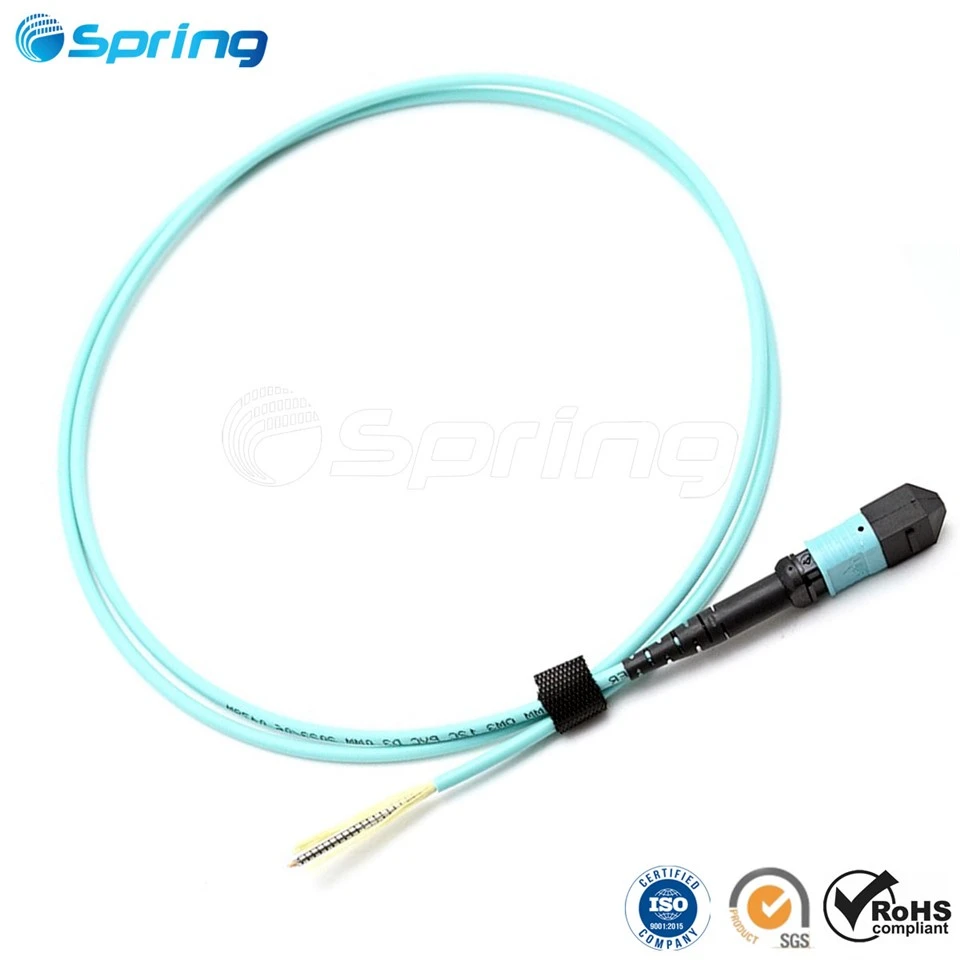
5.2 MPO/MTP Connectors: Introduction: MPO/MTP are multi-fiber. Explanation: High-density for data centers/PON.
5.3 Patch Cords & Fiber Assemblies
· LC-LC, LC-SC, SC-SC: Introduction: Standard duplex cords. Explanation: Device connections in SM/MM.
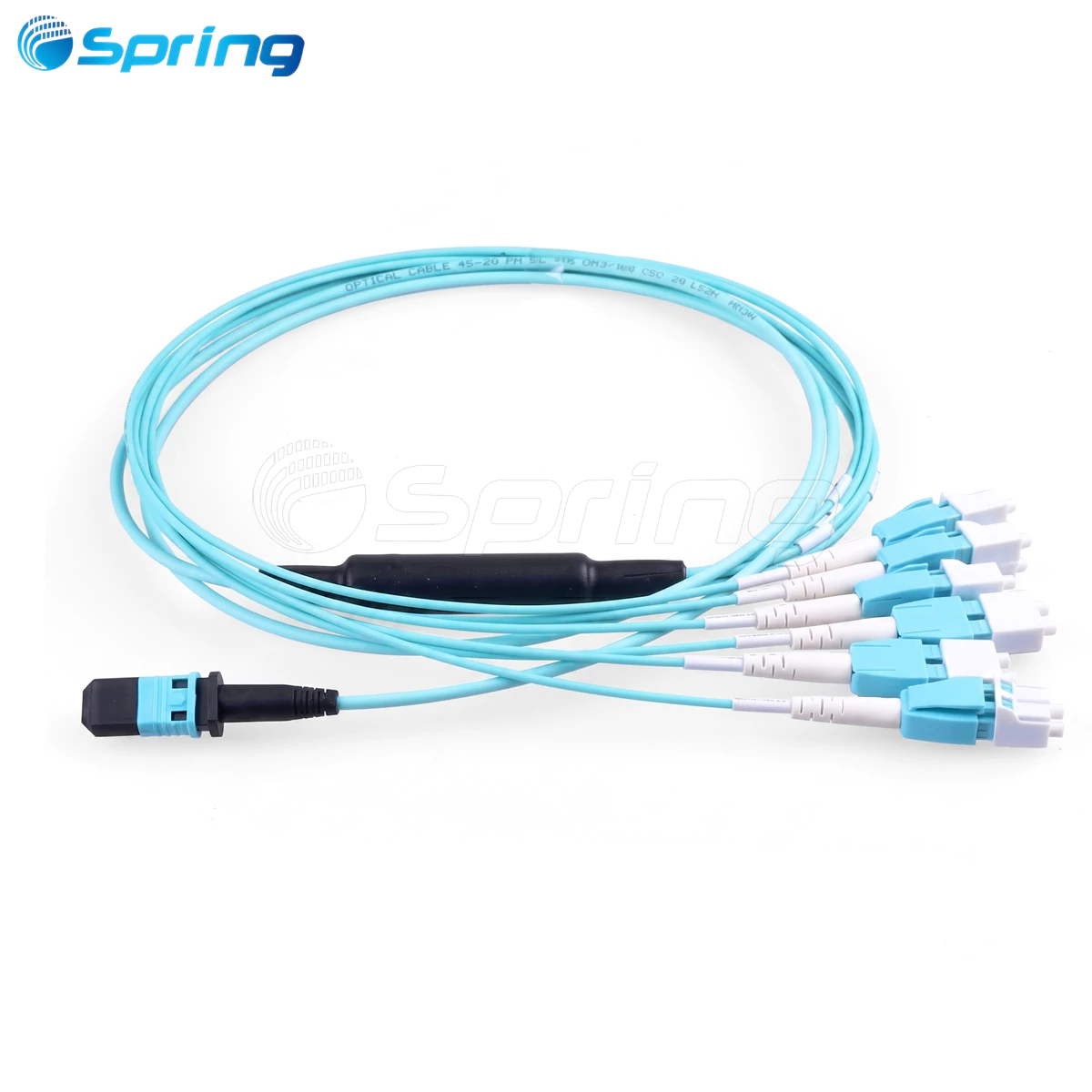
· MPO/MTP breakout patch cords: Introduction: Breakouts fan to singles. Explanation: Trunk to individual.
· Armored, single-mode, and multimode options: Introduction: Armored has sheathing. Explanation: Crush-resistant; SM long, MM short.
· Mode conditioning patch cords: Introduction: Conditioning offsets launch. Explanation: For legacy MMF with SM lasers.
5.4 Pre-Terminated & FastConnect Assemblies
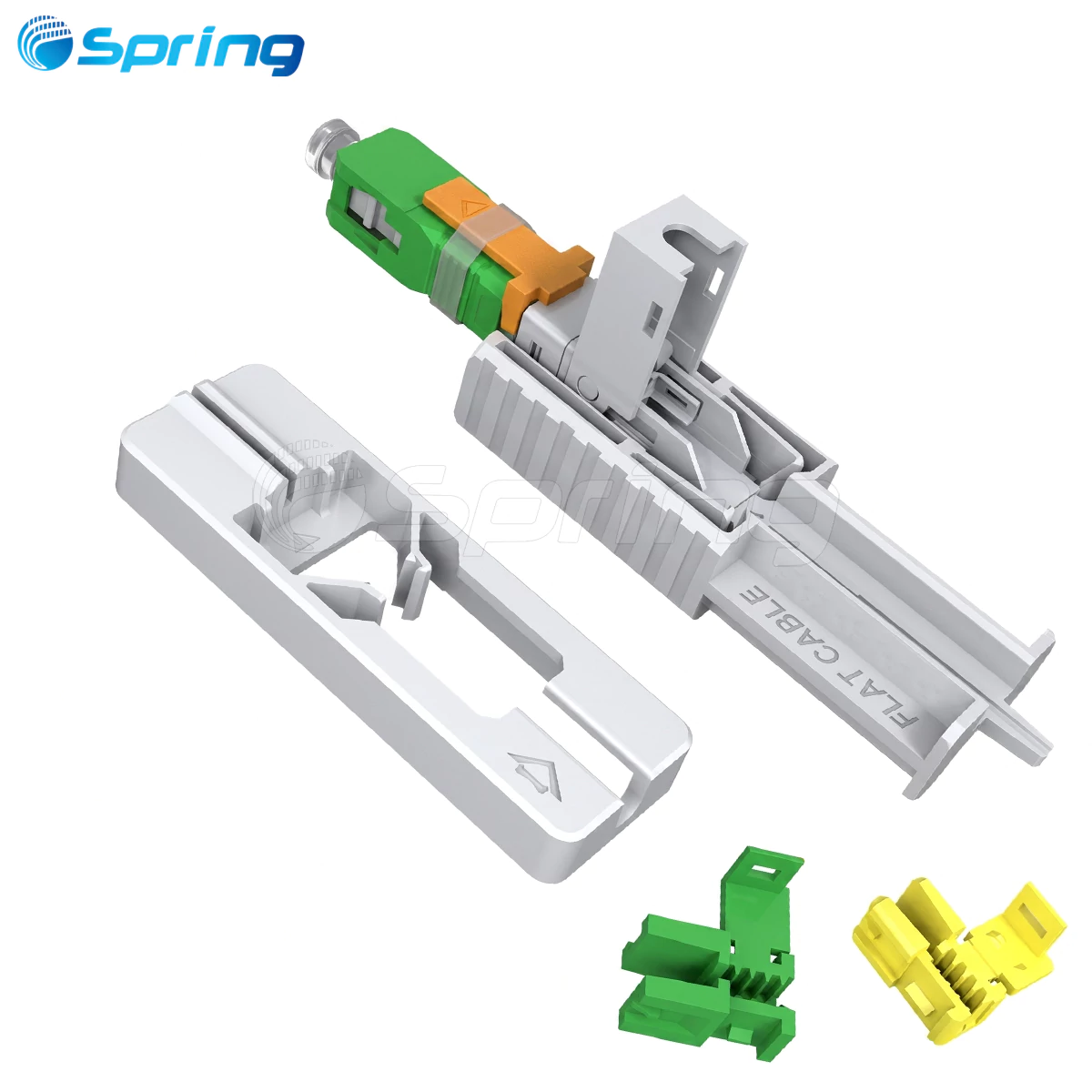
· FastConnect solutions: Introduction: FastConnect is plug-and-play. Explanation: Reduces field labor.
· Pre-terminated assemblies: Introduction: Pre-terminated are factory-ended. Explanation: For MPO/LC/FTTH drops.
5.5 Specialty Connectors
· OptiTap connector systems: Introduction: OptiTap is hardened for FTTH. Explanation: Weatherproof outdoor drops.
· FullAXS connectors: Introduction: FullAXS is rugged for FTTA. Explanation: Wireless base stations.
· Hardened connectors: Introduction: Hardened are sealed outdoor. Explanation: IP67 for industrial/FTTH.
· Pushable fiber connectors: Introduction: Pushable for microducts. Explanation: Small for blown systems.
Additional terms:
· Adapter: Introduction: Adapter aligns connectors. Explanation: Sleeve for interconnection.
· Angular Physical Contact (APC): Introduction: APC is 8° angled polish. Explanation: Low reflections for video.
· Connector Variation: Introduction: Variation is remating loss difference. Explanation: Indicates repeatability.
· Ferrule: Introduction: Ferrule holds fiber. Explanation: Precise for alignment.
· Physical Contact (PC): Introduction: PC is flat polish. Explanation: Reduces air gap.
· Ultra Physical Contact (UPC): Introduction: UPC is enhanced flat. Explanation: ~50dB return loss.
Procurement Considerations: Low insertion loss (<0.3dB); warranties; pre-terminated cuts labor 50%.
6. Advanced Connector Technologies
· Arrayed Waveguide Grating (AWG): Introduction: AWG separates DWDM wavelengths. Explanation: Planar diffraction for multiplexing.
· Beamsplitter: Introduction: Beamsplitter divides light. Explanation: For couplers with coatings.
· Birefringent: Introduction: Birefringent has polarization-dependent index. Explanation: For polarizers.
· Bragg Grating: Introduction: Bragg grating filters patterns. Explanation: Reflects specific wavelengths.
· Circulator: Introduction: Circulator directs unidirectionally. Explanation: Three-port for add/drop.
· Coupling Ratio: Introduction: Coupling ratio distributes light. Explanation: Percentage/dB for splitters.
· Directionality: Introduction: Directionality suppresses backreflections. Explanation: Prevents interference.
· Excess Loss: Introduction: Excess loss beyond splitting. Explanation: From absorption.
· Fanout Assembly: Introduction: Fanout breaks multi to single. Explanation: Trunk transition.
· Loopback: Introduction: Loopback returns signal. Explanation: For diagnostics.
· Mechanical Splice: Introduction: Mechanical splice aligns with fluid. Explanation: Non-fusion joint.
· Splitting Ratio: Introduction: Splitting ratio is power distribution. Explanation: E.g., 50/50.
Procurement Considerations: DWDM from PacketLight; AI data center compatibility.
7. Fiber Termination & Distribution Boxes
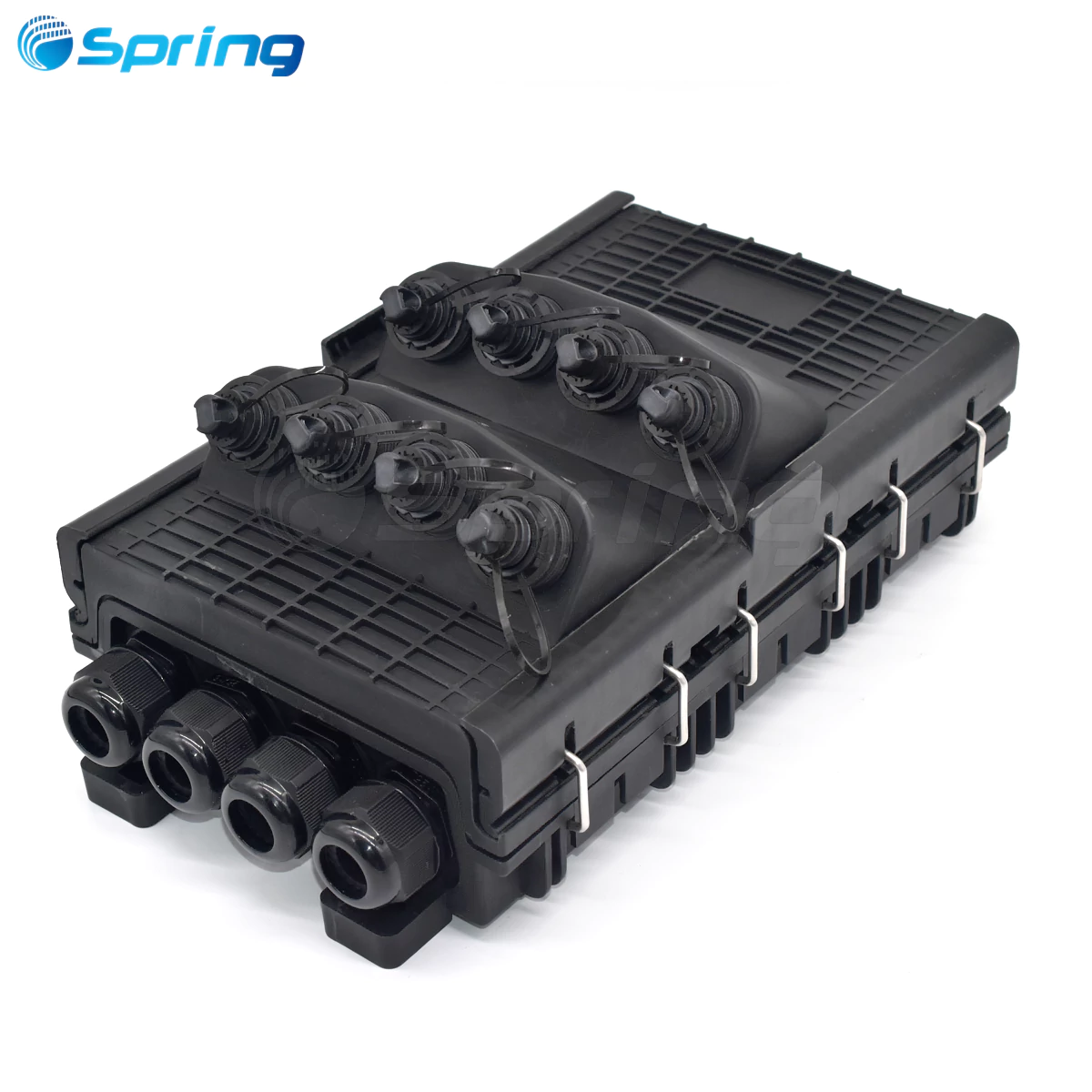
7.1 Indoor and Outdoor Termination Boxes: Introduction: Termination boxes organize terminations/splices. Explanation: Outdoor IP65–IP68 for protection.
7.2 Multiport Service Terminals (MST): Introduction: MST are compact for MDUs. Explanation: Support splitters/pigtails.
7.3 Optical Distribution Frames (ODF) and Patch Panels: Introduction: ODF/panels centralize termination. Explanation: LC/SC/MPO adapters. 7.4 Fiber Splice Closures: Introduction: Closures protect splices. Explanation: For aerial/underground.
7.5 Outdoor Fiber Boxes
· NAP boxes (Network Access Point): Introduction: NAP for subscriber access. Explanation: Neighborhood distribution.
· FDH (Fiber Distribution Hub): Introduction: FDH for intermediate. Explanation: Houses splitters.
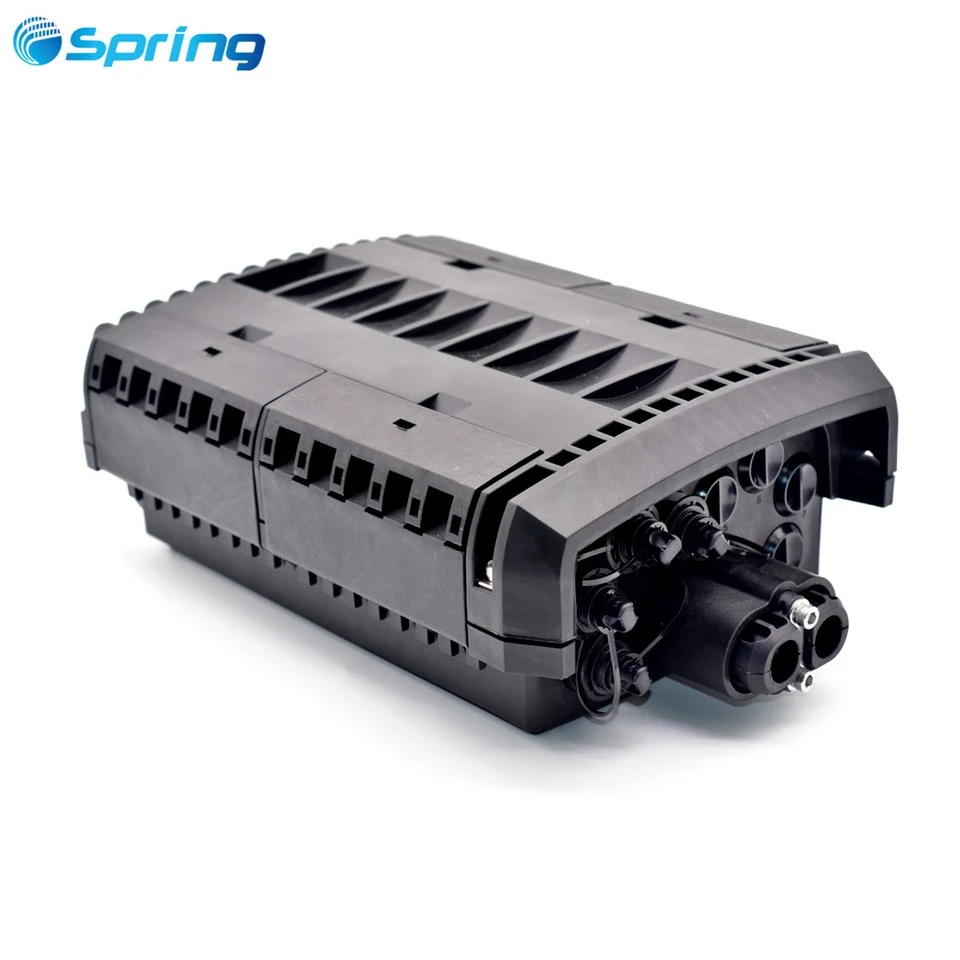
· IP68-rated outdoor enclosures: Introduction: IP68 fully sealed. Explanation: Harsh environments.
Additional:
· Closet Connector Housing (CCH): Introduction: CCH for interconnect. Explanation: Modular configs.
· Consolidation Point (CP): Introduction: CP in horizontal pathway. Explanation: Easy changes.
· Fiber Demarcation Box (FDB): Introduction: FDB for disconnection. Explanation: Provider/customer demarc.
· Horizontal Cross-Connect (HC): Introduction: HC connects horizontal/backbone. Explanation: Structured wiring.
Procurement Considerations: Modular for scale; TCO with surge; 2025 slimmer profiles.
8. Outdoor, Aerial, and Underground Fiber Components (Consolidated)
8.1 Outdoor Fiber Enclosures & Splice Boxes: Introduction: Enclosures protect outdoor fibers. Explanation: IP65–IP68 for tube/armored.
8.2 Aerial Fiber Cables & Clamps
· Figure-8 cables, aerial drop cables: Introduction: Figure-8 integrates messenger. Explanation: Self-supporting drops.
· Suspension clamps, tension clamps, drop wire clamps: Introduction: Clamps secure aerial. Explanation: Distribute tension.
8.3 ADSS and Hybrid Fiber Cables
· ADSS: Introduction: ADSS is dielectric self-supporting. Explanation: Near power lines.
· Hybrid: Introduction: Hybrid combines fiber/power. Explanation: Industrial utilities.
8.4 Direct-Burial Fiber Cables: Introduction: Direct-burial for underground. Explanation: Rodent/water-resistant.
8.5 FTTA & 5G Fiber Solutions: Introduction: FTTA connects base stations. Explanation: High-bandwidth 5G. Additional:
· Drop wire clamps: Introduction: Clamps for drops. Explanation: Secure last-mile.
· Fiber suspension clamps: Introduction: Suspension holds on poles. Explanation: Reduce vibration.
· Anchor clamps: Introduction: Anchor secures ends. Explanation: Tension points.
· Plastic wire clamps: Introduction: Plastic lightweight. Explanation: Low-tension.
· Tension wire clamps: Introduction: Tension maintains tautness. Explanation: Prevent slack.
· Cable racks and support brackets: Introduction: Racks organize underground. Explanation: Vault protection.
· Stainless steel bandings: Introduction: Bandings secure to poles. Explanation: Corrosion-resistant.
· Dead-end grips: Introduction: Grips hold ends. Explanation: Absorb tension.
· Fiber slack storage: Introduction: Storage coils excess. Explanation: Maintenance access.
· Pole brackets and hooks: Introduction: Brackets mount enclosures. Explanation: Aerial points.
· Direct-Burial: Introduction: Burial resistant cables. Explanation: Trench install.
· Ducted Cable: Introduction: Ducted pulled through conduits. Explanation: Underground protection.
· Microduct: Introduction: Microduct for blowing. Explanation: Modular additions.
· Pushable Fiber: Introduction: Pushable small fibers. Explanation: Blown microducts.
Procurement Considerations: Pre-terminated for speed; diversify suppliers to avoid tariffs.
9. PON Networks and FTTH Deployment
9.1 Passive Optical Networks (PON)
· GPON, EPON, XG-PON: Introduction: PON shares feeder with splitters. Explanation: Scalable FTTH; GPON 2.5G, XG 10G.
9.2 Optical Network Terminals (ONT): Introduction: ONT converts optical to electrical. Explanation: Premises for broadband/IPTV.
9.3 FTTH Network Components
· FDH, drop cables, NAP boxes, splitters, ONTs: Introduction: Core FTTH elements. Explanation: Distribute to subscribers.
· Pre-terminated fibers and FastConnect systems: Introduction: Pre-terminated speed deployment. Explanation: Factory-tested.
9.4 FTTH Variants
· MDU (Multi-Dwelling Unit) solutions: Introduction: MDU for apartments. Explanation: Centralized multi-unit.
· Single-family home (SFH) solutions: Introduction: SFH for homes. Explanation: Direct curb drops.
· Hybrid Fiber-Coax (HFC) to FTTH migration: Introduction: Migration from coax. Explanation: Upgrades speeds.
Additional:
· Broadband PON (BPON): Introduction: Early PON. Explanation: Legacy voice/data/video.
· Ethernet PON (EPON): Introduction: Ethernet-based PON. Explanation: 1Gbps IEEE.
· Gigabit PON (GPON): Introduction: High-speed PON. Explanation: ITU ATM-based.
· Local Convergence Point (LCP): Introduction: LCP breaks feeder. Explanation: Cabinet splitters.
· Split Ratio: Introduction: Subscribers per fiber. Explanation: 1:32 balances sharing.
Procurement Considerations: Open-access sourcing; 2025 AI maintenance.
10. FTTH Network Architectures
· Add-Drop Multiplexer (ADM): Introduction: ADM adds/drops signals. Explanation: Ring selective wavelengths.
· Centralized Cabling: Introduction: Centralized passive in closets. Explanation: Simplifies building management.
· Distributed Tap Architecture (DTA): Introduction: DTA taps incrementally. Explanation: Rural cost-effective.
· FTTx: Introduction: FTTx generic fiber to points. Explanation: FTTH/FTTC/FTTN variants.
· Homes Passed/Connected: Introduction: Passed accessible; connected served. Explanation: Deployment metrics.
· Migration: Introduction: Migration copper to fiber. Explanation: Overlay/replacement.
· Point-to-Multipoint (P2MP): Introduction: P2MP shares to users. Explanation: PON efficiency.
Procurement Considerations: Align objectives; automate suppliers.
11. Data Center Fiber Solutions
11.1 High-Density Patch Panels: Introduction: High-density support LC/SC/MPO. Explanation: Rack-mounted space optimization.
11.2 Trunk Cables and Fanout Assemblies
· MPO/MTP trunk cables: Introduction: Trunks connect racks. Explanation: Multi-fiber backbone.
· Fanout assemblies: Introduction: Fanouts convert MPO to LC/SC. Explanation: Breakout ports.
11.3 Fiber Splitters & Distribution Components
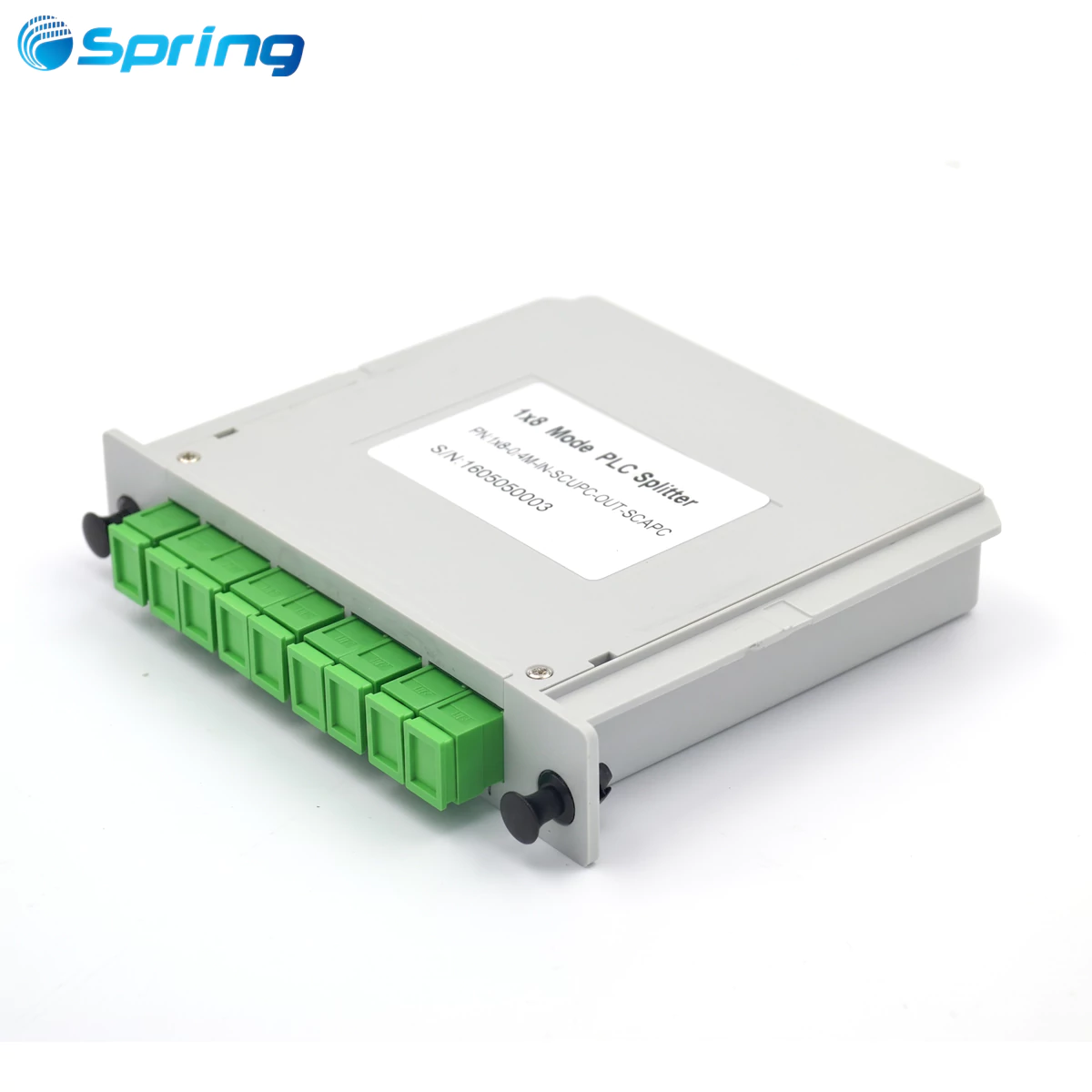
· PLC splitters: Introduction: PLC uniform distribution. Explanation: Waveguide GPON.
· FBT splitters: Introduction: FBT legacy. Explanation: Fused small splits.
· Patch panels, cassettes, ODFs: Introduction: Organized management. Explanation: Modular access.
11.4 Redundant and Pre-Terminated Solutions
· Pre-terminated assemblies: Introduction: Reduce install time. Explanation: Factory consistency.
· Redundant fiber paths: Introduction: Improve reliability. Explanation: Backup critical.
Procurement Considerations: Low-power AI optics; risk assessment.
12. High-Density Data Center Components
· Arrayed Waveguide Grating (AWG): Introduction: AWG multiplexes wavelengths. Explanation: Planar DWDM separation.
· Dense WDM (DWDM): Introduction: DWDM close wavelengths. Explanation: 80+ channels C/L.
· Coarse WDM (CWDM): Introduction: CWDM wider 20nm spacing. Explanation: Metro cost-effective.
· Wavelength Division Multiplexing (WDM): Introduction: WDM multiple signals fiber. Explanation: Capacity increase.
· Erbium-Doped Fiber Amplifier (EDFA): Introduction: EDFA boosts C-band. Explanation: Pumped amplification.
· Optical Amplifier: Introduction: Amplifier increases power optically. Explanation: EDFA/Raman long-haul.
Procurement Considerations: Bulk 400G+; merger impacts AT&T-Lumen.
13. Fiber Splicing, Cleaving, and Termination Tools
13.1 Fusion Splicers and Cleavers
· Low-loss fusion splicing: Introduction: Fusion welds fibers heat. Explanation: Arc permanent joints.
· Precision cleavers: Introduction: Cleavers prepare ends. Explanation: Perpendicular cuts.
13.2 OTDRs and Optical Power Meters
· OTDRs: Introduction: OTDRs locate faults/loss. Explanation: Pulse reflection.
· Power meters: Introduction: Power meters measure strength/loss. Explanation: dBm calibrated.
13.3 Visual Fault Locators (VFL): Introduction: VFL uses visible light faults. Explanation: Traces bends.
13.4 Cleaning and Inspection Tools
· Fiber cleaning pens, alcohol wipes, inspection microscopes: Introduction: Tools maintain connectors. Explanation: Remove contaminants.
13.5 Additional Fiber Tools
· Fiber strippers: Introduction: Strippers remove coatings. Explanation: Precise buffer.
· Jacket removal tools: Introduction: Tools strip jackets. Explanation: Expose fibers.
· Cold shrink tubes: Introduction: Tubes seal splices. Explanation: No-heat weatherproof.
· Fusion splicing kits: Introduction: Kits all accessories. Explanation: Field/lab use.
Procurement Considerations: Quality for FTTH; high-quality tools larger projects.
14. Fiber Optic Testing Instruments
· Attenuation Meter: Introduction: Measures connector/cable loss. Explanation: Input/output comparison.
· Bit Error Rate Tester (BERT): Introduction: BERT transmission accuracy. Explanation: Simulates traffic BER.
· Fiber Identifier: Introduction: Detects traffic non-invasive. Explanation: Live fibers.
· Fiber Tracer: Introduction: Visible continuity tracing. Explanation: Identification similar VFL.
· Launch Cable: Introduction: OTDR loss reference. Explanation: Bridges dead zone.
· Optical Loss Test Set (OLTS): Introduction: OLTS meter/source loss. Explanation: Tier 1 certification.
· Optical Time Domain Reflectometer (OTDR): Introduction: OTDR backscattered faults/loss. Explanation: Tier 2 events.
· Power Meter: Introduction: Measures optical power. Explanation: Link budgeting.
· Test Kit: Introduction: Kit meter/source accessories. Explanation: Field loss/power.
· Visual Fault Locator: Introduction: Bright light break detection. Explanation: Easy faults.
Procurement Considerations: Digital with training; TCO includes.
15. Network Interface Devices and Optical Terminals
15.1 Network Interface Device (NID): Introduction: NID demarcates provider/customer. Explanation: Integrates splitters/surge. 15.2 Optical Network Terminals (ONT): Introduction: ONT supports broadband/IPTV. Explanation: Optical to Ethernet.
15.3 Multiport Service Terminals (MST Box): Introduction: MST compact distribution. Explanation: MDU/enterprise ports.
15.4 FTTH Terminal Boxes: Introduction: Terminal NAP wall/pole. Explanation: Subscriber connections.
15.5 Pre-Terminated Assemblies: Introduction: Pre-terminated reduce labor. Explanation: Factory performance.
Procurement Considerations: Surge; modular faster/cost-efficient.
16. Demarcation and Subscriber Equipment
· Optical Network Unit (ONU): Introduction: ONU PON subscriber similar ONT. Explanation: Endpoint conversion.
· Triplexer: Introduction: Triplexer splits wavelengths voice/data/video. Explanation: 1310/1490/1550nm.
· Diplexer: Introduction: Diplexer separates 1310/1490nm. Explanation: Voice/data PON.
· Surge Protection: Introduction: Protects surges. Explanation: Safeguards NIDs.
Procurement Considerations: MDUs economical from ISPs.
17. High-Density Fiber Solutions and MPO/MTP
17.1 MPO/MTP Trunks and Cassettes: Introduction: MPO/MTP maximize count. Explanation: Modular data centers/PON.
17.2 MPO Fanout Assemblies: Introduction: Fanouts convert trunks LC/SC. Explanation: Compatibility breakout.
17.3 Data Center & PON Integration: Introduction: Integrates backbone/subscriber. Explanation: Scalable high-density.
17.4 Pre-Terminated & FastConnect Systems: Introduction: Plug-and-play rapid. Explanation: Reduce downtime.
17.5 MPO Loopbacks and Testing Accessories: Introduction: Loopbacks verify high-density. Explanation: Simulate diagnostics.
Procurement Considerations: Polarity; 2025 AI high-speed low-latency.
18. Multi-Fiber Connectivity Systems
· MPO/MTP Polarity: Introduction: Polarity ensures Tx/Rx alignment. Explanation: A/B/C types routing.
· Breakout Modules: Introduction: Modules fan multi to single. Explanation: Flexible modular.
· Cassette: Introduction: Cassette houses adapters. Explanation: Panel plug-in.
· Trunk Cable: Introduction: Trunk high-count backbone. Explanation: Pre-terminated efficiency.
Procurement Considerations: Multiplexer compatibility.
19. Fiber Optic Splitters & Distribution Components
19.1 PLC & FBT Splitters
· PLC splitters: Introduction: PLC uniform splitting GPON/EPON. Explanation: Waveguide even division.
· FBT splitters: Introduction: FBT legacy small. Explanation: Fused variable ratios.
19.2 Fiber Distribution Frame (ODF): Introduction: ODF centralized interconnection. Explanation: Modular management.
19.3 Fiber Patch Panels & Cassettes: Introduction: Panels organized pigtails/adapters. Explanation: Rapid deployment.
19.4 Fiber Distribution Hub (FDH): Introduction: FDH intermediate feeder/drops. Explanation: Cabinet splitters.
Procurement Considerations: Uniform PON; supplier standards.
20. Passive Splitting Technologies
· Fused Biconical Taper (FBT): Introduction: FBT fuses for splitting. Explanation: Low-port cost-effective.
· Planar Lightwave Circuit (PLC): Introduction: PLC waveguide uniform. Explanation: High splits 1:64.
· Coupler: Introduction: Coupler splits/combines. Explanation: Passive branching.
· Directional Coupler: Introduction: Directional preferential transmission. Explanation: Isolates directions.
Procurement Considerations: Legacy/new; cost centralization.
21. Fiber Network Termination & Access Devices
· Access Point: Introduction: Access point network entry. Explanation: User interface.
· Consolidation Point: Introduction: Consolidation mid-horizontal. Explanation: Reconfiguration flexible.
· Fiber to the Desk (FTTD): Introduction: FTTD direct to equipment. Explanation: High-speed desktop.
· Fiber to the Node (FTTN): Introduction: FTTN to node. Explanation: Copper last-mile.
· Multi-Service Terminal: Introduction: Multi-service integrates. Explanation: MDU distribution.
Procurement Considerations: Smart cities AI.
22. Access Point Solutions
· Network Access Point (NAP): Introduction: NAP routes area traffic. Explanation: Drop hub.
· Optical Return Loss (ORL): Introduction: ORL measures reflection. Explanation: High low reflections.
· Passive Optical Network (PON): Introduction: PON shared passives. Explanation: P2MP efficiency.
Procurement Considerations: Open access barriers.
23. Fiber Network Testing & Maintenance
· OTDR testing: Introduction: OTDR analyzes pulses. Explanation: Locates splices/breaks.
· Insertion loss measurement: Introduction: Measures device loss. Explanation: Certification critical.
· Visual fault detection with VFL: Introduction: VFL visible faults. Explanation: Bends/breaks.
· Cleaning and inspection of connectors: Introduction: Cleans contaminants. Explanation: Prevents degradation.
· Fiber fusion splicing and cleaving: Introduction: Joins/cuts fibers. Explanation: Low-loss connections.
· Loopback plugs and MPO test kits: Introduction: Simulates multi-fiber. Explanation: Verifies performance.
Procurement Considerations: Predictive tools; data resiliency.
24. Diagnostic and Troubleshooting Tools
· Fiber Microscope: Introduction: Microscope inspects endfaces. Explanation: Dirt/scratches.
· Launch/Tail Cord: Introduction: Cord accurate OTDR. Explanation: Overcomes zones.
· Talkset: Introduction: Talkset fiber communication. Explanation: Testing coordination.
· Test Source: Introduction: Source injects signal. Explanation: Loss measurements.
Procurement Considerations: Automation error reduction.
25. Advanced Fiber Network Solutions & Emerging Technologies
· FTTA and 5G fiber deployment: Introduction: FTTA antennas fiber. Explanation: Low-latency backhaul.
· Air-blown fiber systems: Introduction: Blown into microducts. Explanation: Flexible upgrades.
· Hollow-core fibers: Introduction: Air-core reduced latency. Explanation: Faster vacuum speed.
· High-speed multimode fibers for 400G/800G networks: Introduction: OM5+ data centers. Explanation: SWDM support.
· Pre-terminated and FastConnect assemblies: Introduction: Factory-ready. Explanation: Quick install.
· Advanced splitters and hybrid fiber solutions: Introduction: Next-gen PON. Explanation: Higher ratios.
Procurement Considerations: 5G buildouts accelerated.
26. Next-Generation Optical Technologies
· 10G-PON: Introduction: 10G PON evolution. Explanation: Symmetric/asymmetric upgrades.
· CSRZ-DQPSK: Introduction: Modulation high-speed DWDM. Explanation: Spectral efficiency.
· Dispersion Compensator: Introduction: Counters CD. Explanation: FBG/DCF modules.
· Hollow-Core Fiber: Introduction: Latency-reduced transmission. Explanation: Air core light.
· XG-PON: Introduction: Asymmetric 10G downstream. Explanation: ITU G.987.
· XGS-PON: Introduction: Symmetric 10G. Explanation: Business/residential.
Procurement Considerations: NG-PON2 multi-gig; merger supply impacts.
27. Optical Network Accessories and Passive Components
· Aramid Yarn: Introduction: Aramid strength elements. Explanation: Tensile like Kevlar.
· Buffer Coating: Introduction: Buffer protective plastic. Explanation: Cushions fiber.
· Central Strength Member: Introduction: Member anti-buckling rod. Explanation: Compression prevention.
· Index Matching Fluid: Introduction: Fluid reduces splice reflections. Explanation: Index matches.
· Pigtail: Introduction: Pigtail short one-connector fiber. Explanation: Device splicing.
Procurement Considerations: Sustainable manufacturing.
28. Auxiliary Optical Devices
· Attenuator: Introduction: Attenuator reduces power. Explanation: Fixed/variable testing.
· Bypass Switch: Introduction: Switch alternate path. Explanation: Redundancy.
· Circulator: Introduction: Circulator unidirectional routing. Explanation: Add/drop three-port.
· Isolator: Introduction: Isolator prevents backreflections. Explanation: Laser protection.
· Variable Optical Attenuator (VOA): Introduction: VOA adjustable loss. Explanation: Dynamic control.
Procurement Considerations: AI-centric intelligence.
29. Fiber Network Management and Monitoring
· Custom fiber optic assemblies and pre-terminated cables: Introduction: Custom tailored. Explanation: Specific lengths/connectors.
· OEM cable manufacturing and supply: Introduction: OEM branded. Explanation: Custom labeling.
· Fiber network monitoring and management systems: Introduction: Systems oversight. Explanation: AI fault detection.
· Multi-service terminal (MST) integration: Introduction: MST integrates services. Explanation: MDU.
· Indoor and outdoor fiber network optimization: Introduction: Optimizes performance. Explanation: Routing/tools.
· Hybrid fiber-copper solutions for industrial and enterprise networks: Introduction: Hybrid mixed media. Explanation: Legacy integration.
Procurement Considerations: Outsourced partnerships.
30. Network Optimization Tools
· Dynamic Range: Introduction: Dynamic range OTDR ratio. Explanation: Longer fiber detection.
· Loss Budget: Introduction: Loss budget tolerable loss. Explanation: Design margins.
· Margin: Introduction: Margin excess tolerance. Explanation: Aging accounts.
· Power Budget: Introduction: Power budget transmitter minus sensitivity. Explanation: Max distance.
Procurement Considerations: 2025 data-driven resiliency.
31. Custom Fiber Assemblies and OEM Solutions
· Application-Specific Optical Fiber (ASOF): Introduction: ASOF tailored fibers. Explanation: E.g., erbium-doped amplifiers.
· Custom Assemblies: Introduction: Custom pre-terminated specs. Explanation: Unique projects.
· OEM Solutions: Introduction: OEM branded manufacturing. Explanation: White-label.
Procurement Considerations: Region-specific assemblies.
32. Tailored Fiber Optic Manufacturing
· Preform: Introduction: Preform glass rod drawing. Explanation: Vapor creates core/cladding.
· Vapor Deposition: Introduction: Deposition process core/cladding. Explanation: Silica purity layers.
Procurement Considerations: Vertical integration HFCL.
33. Future Trends in Fiber Optic Networks
· 400G/800G Ethernet: Introduction: 400G/800G high-speed. Explanation: AI/cloud support.
· Space Division Multiplexing: Introduction: SDM multi-core. Explanation: Beyond WDM capacity.
· Quantum Communication: Introduction: Quantum secure links. Explanation: Entanglement encryption.
· Software-Defined Networking (SDN): Introduction: SDN dynamic control. Explanation: Programmable efficiency. 2025 Trends: Multi-gig, open-access, smart cities, AI cybersecurity, slimmer fibers, modernization, intelligence. Regional: Asia FTTH; EU green; US mergers.
Procurement Considerations: Evolving models; simpler installs.
34. Emerging Standards and Innovations
· ITU Standards: Introduction: ITU G.652/G.657. Explanation: Interoperability SMF/bend-insensitive.
· IEEE 802.3: Introduction: IEEE Ethernet fiber. Explanation: Speeds 400G.
· Open Access: Introduction: Open multiple providers infrastructure. Explanation: Competition promotion.
· Sustainable Fiber: Introduction: Sustainable eco-materials. Explanation: Low-carbon. 2025: 5G Advanced, AI enhancements, fiber compute.
Procurement Considerations: Regulatory unbundling; data cleanup.
35. Procurement Toolkit
Tools for global procurement.
| Component | Standards | Cost Factors | Suppliers | Risks |
|---|---|---|---|---|
| SMF Cable | ITU G.652 | Material, length | Corning, HFCL | Attenuation, tariffs |
| MPO Connector | IEC 61754 | Density, polish | CommScope | Insertion loss |
| PLC Splitter | GR-1209 | Split ratio | PPC | Uniformity |
Checklist: 1. TCO Analysis. 2. Vendor Due Diligence. 3. Strategic Sourcing. 4. Quality Assurance. 5. Automation. Case Example: HFCL-BSNL: Vertical integration CUPS reduced costs 15%.
36. Alphabetical Index
A: Absorption (Sec 1), Acceptance Angle (Sec 2), ... (Full index omitted; digital hyperlinks terms to sections.)
This enhanced glossary serves as a comprehensive, procurement-oriented resource for global professionals in optical communications and FTTH.