

What Is FTTH Drop Cable?
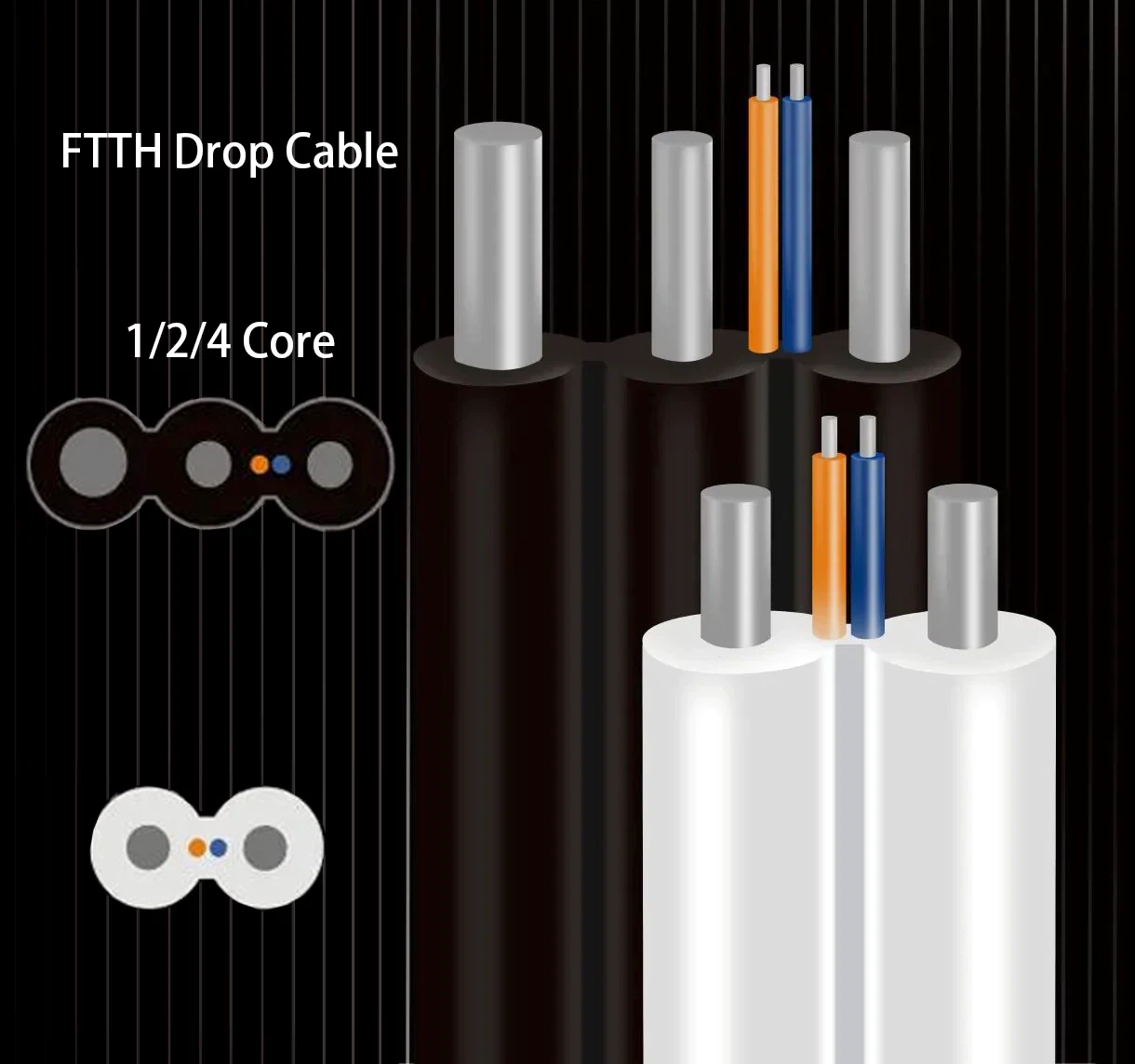
FTTH Drop Cable is a last-mile fiber optic cable designed to connect the optical distribution network (ODN) to end users in Fiber to the Home (FTTH) systems.
It is engineered for high-speed broadband access, low attenuation transmission, and flexible indoor-outdoor deployment, making it a core component of modern telecom access networks.
In FTTH architectures, drop cables serve as the final physical link between distribution points (FDB/MST/closure) and subscriber premises (ONT/routers).
FTTH Network Position (Industry Standard View)
In a typical FTTH architecture:
OLT (Central Office)
ODN (Distribution Network)
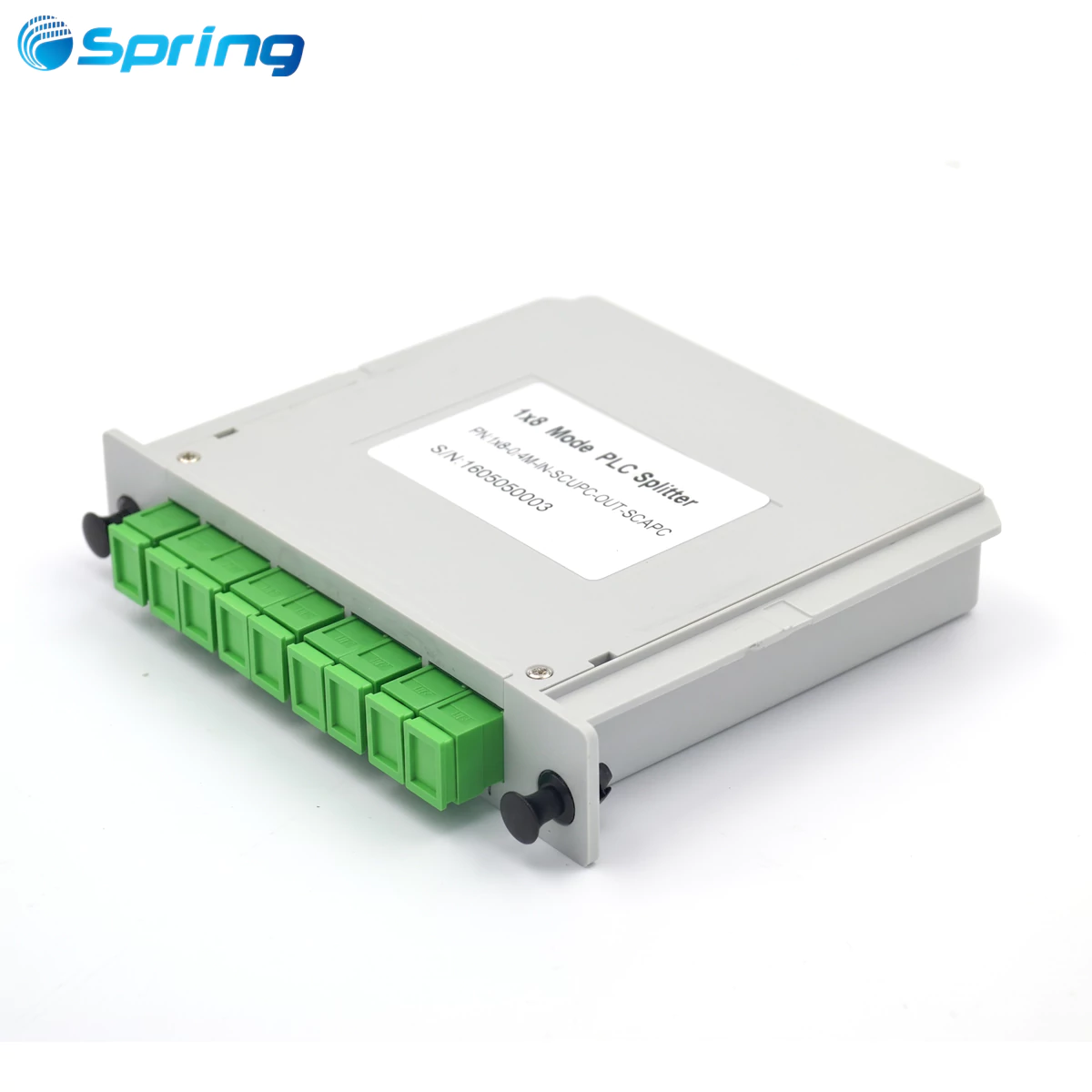
Fiber Distribution Box (FDB)
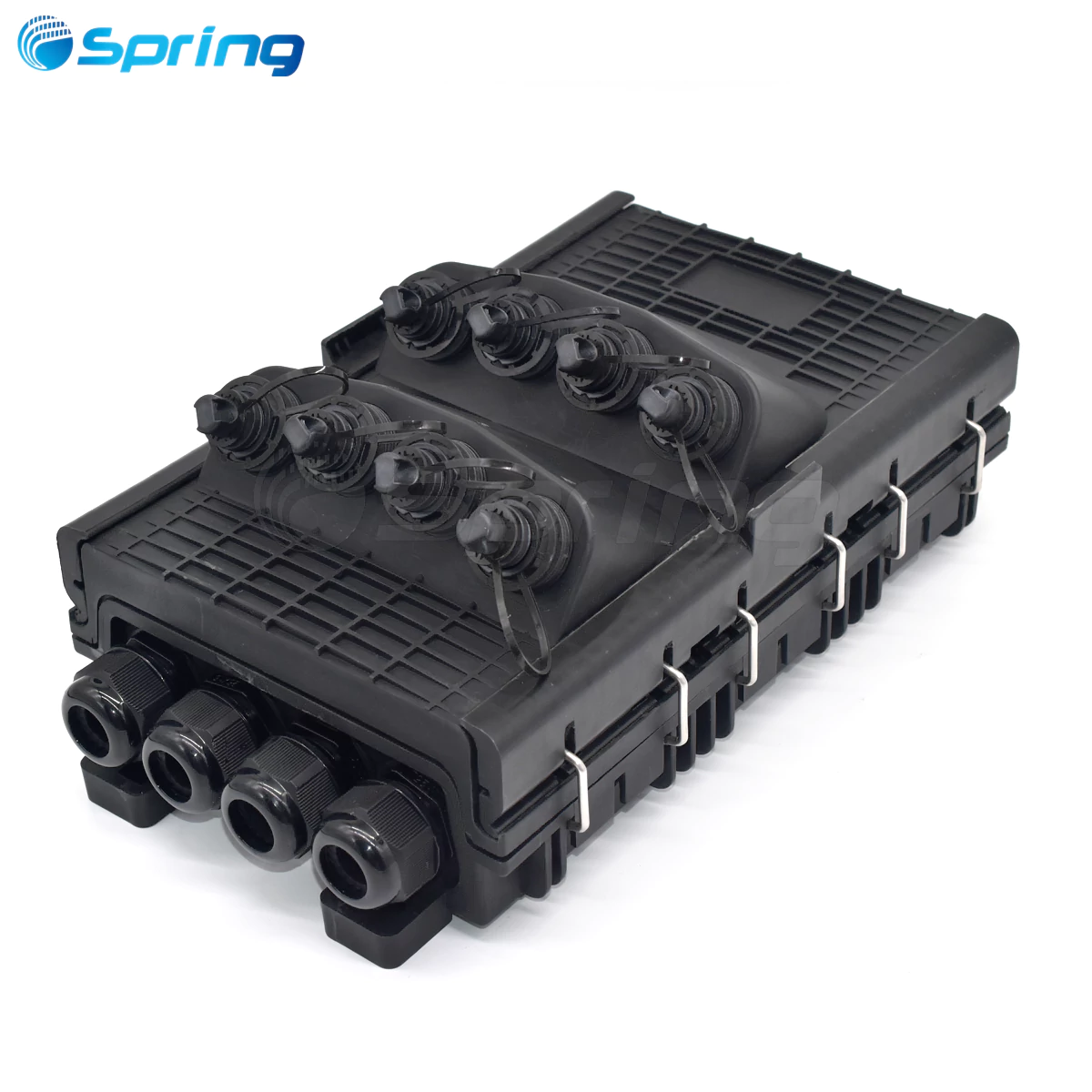
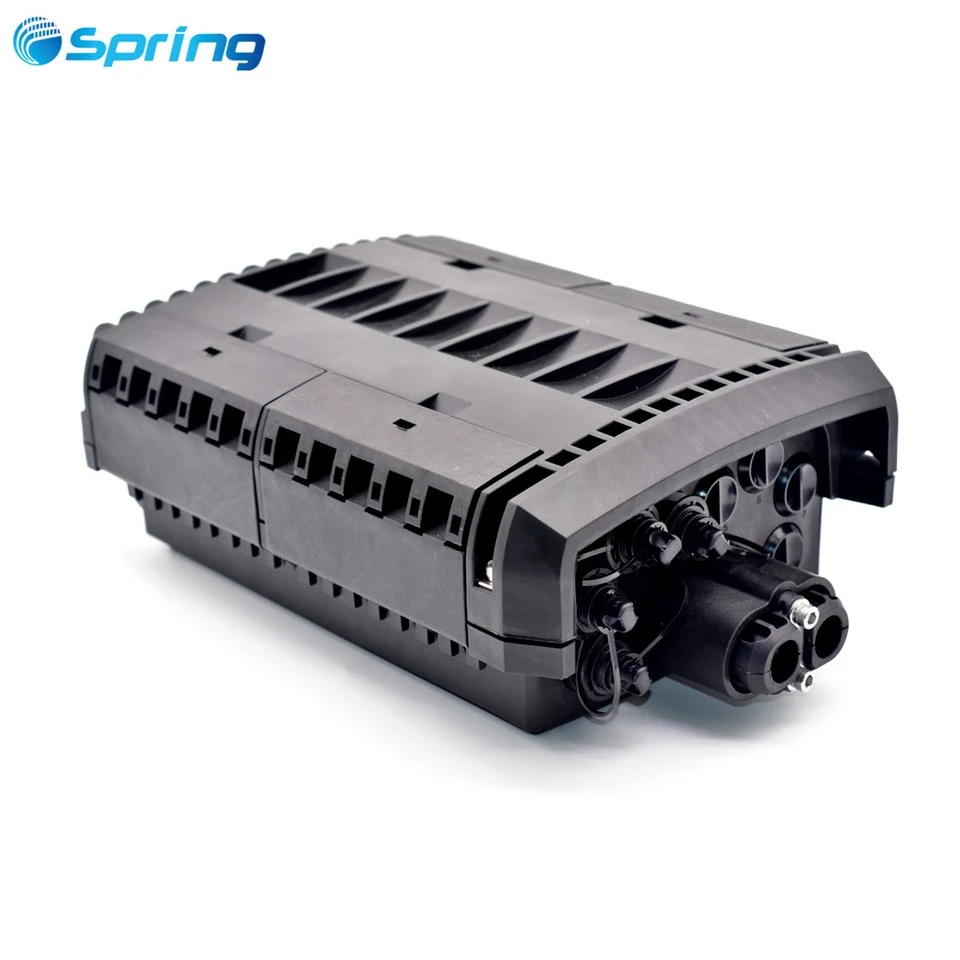
Multiport Service Terminal (MST)
FTTH Drop Cable
ONT / Customer Premises Equipment (CPE)
👉 The drop cable is the critical last-mile physical layer element.
FTTH Drop Cable Structure (Engineering Standard)
A standard FTTH drop cable consists of:
| Layer | Function |
|---|---|
| Optical Fiber (G652D / G657A2) | Data transmission |
| Strength Member (Phosphated Steel / FRP) | Tensile reinforcement |
| Flat Sheath Structure | Easy installation & routing |
| LSZH / PE Jacket | Environmental & fire protection |
Why Industry Leaders Use This Structure
Leading manufacturers such as:
Corning Incorporated
CommScope
Huawei Technologies
use similar FTTH drop cable architectures because they ensure:
Stable long-term mechanical performance
High fiber protection in aerial environments
Low installation cost per subscriber
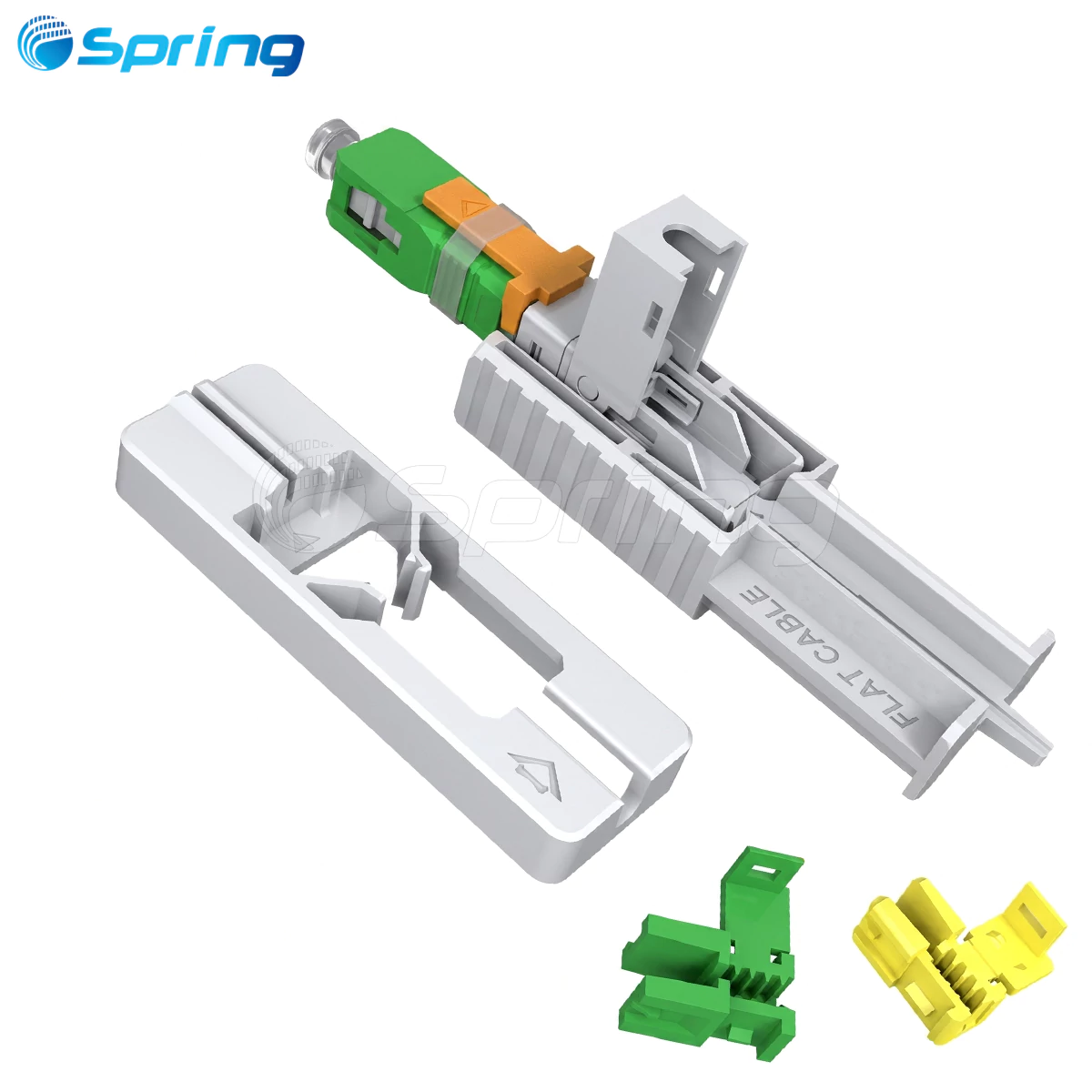
Compatibility with pre-connectorized FTTH systems
Fiber Types Used in FTTH Drop Cable
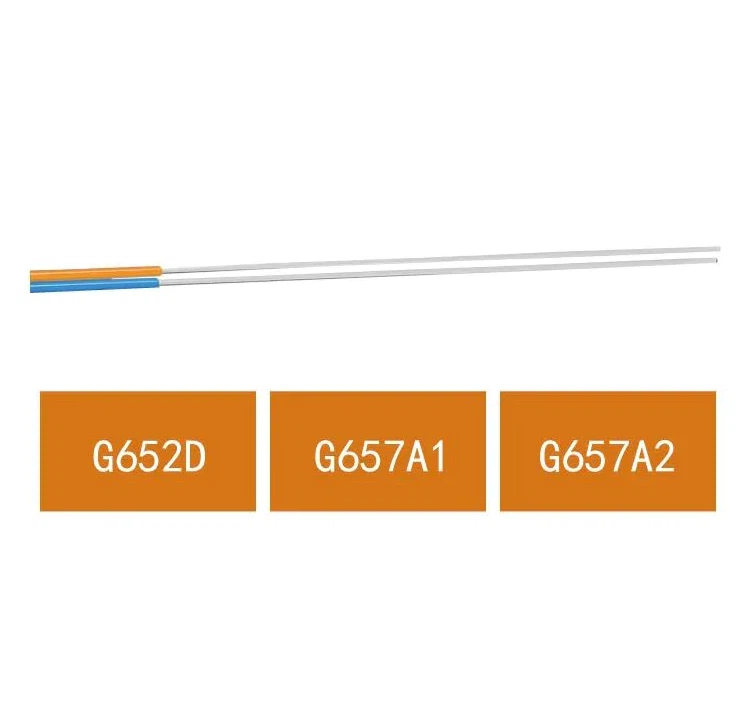
G652D Fiber (Standard Backbone Fiber)
Low attenuation
Cost-effective
Suitable for general FTTH deployment
G657A1 Fiber (Improved Bend Performance)
Moderate bend resistance
Suitable for indoor routing
G657A2 Fiber (Industry Preferred for FTTH)
Ultra bend-insensitive
Ideal for tight indoor bends
Widely used in MDU and FTTR-ready buildings
👉 In modern FTTH networks, G657A2 is the dominant choice for last-mile installation.
Phosphated Steel Wire vs FRP Strength Member
Phosphated Steel Wire (High Strength Version)
Advantages:
High tensile strength for aerial deployment
Excellent resistance to wind load and tension
Cost-efficient for long-span drops
FRP (Dielectric Version)
Advantages:
Non-metallic (no grounding required)
Suitable for high-voltage environments
Corrosion-free
👉 Selection depends on deployment environment (aerial vs indoor vs power-sensitive areas).
LSZH Jacket: Telecom Safety Compliance Standard
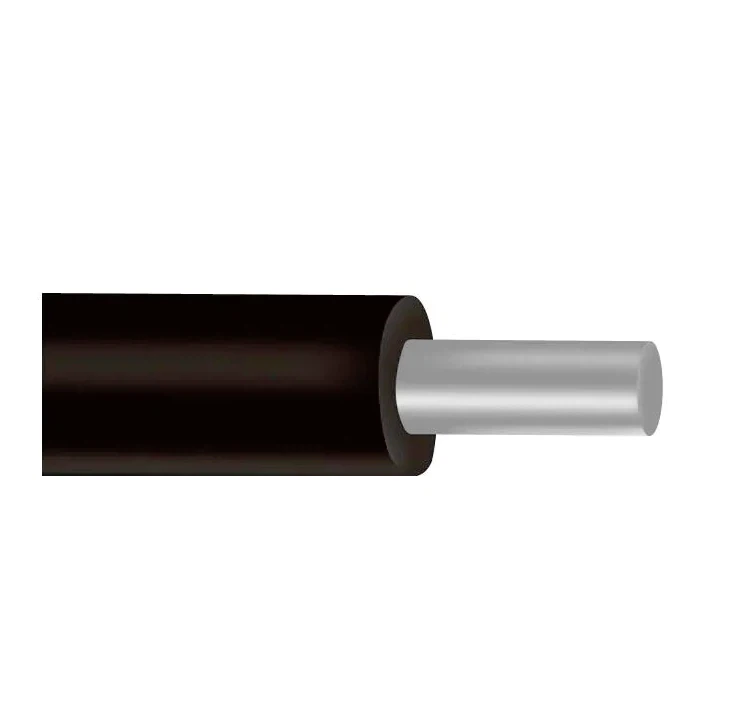
LSZH (Low Smoke Zero Halogen) jackets are widely adopted in FTTH drop cables due to strict building safety regulations.
Key Compliance Benefits:
Low smoke emission during fire
No toxic halogen gas release
Compliance with IEC/EN building safety standards
Required in indoor telecom infrastructure in many countries
Groove Slot Design (Installation Efficiency Engineering)
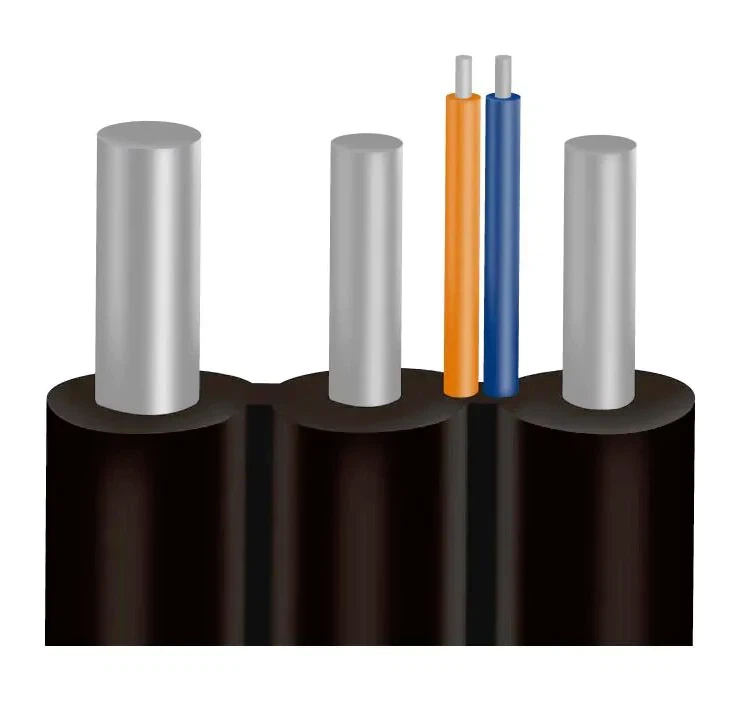
Modern FTTH drop cables often integrate a groove or score-line structure to improve installation efficiency.
Engineering Benefits:
Faster jacket stripping
Reduced installation labor cost
Improved fiber access for splicing
Lower risk of fiber damage during termination
👉 This design directly reduces FTTH last-mile deployment time by up to 20–40% (industry benchmark estimate).
FTTH Drop Cable vs Industry Alternatives
| Feature | FTTH Drop Cable | Round Fiber Cable | Indoor Tight Buffer Cable |
|---|---|---|---|
| FTTH Suitability | ⭐⭐⭐⭐⭐ | ⭐⭐⭐ | ⭐⭐⭐⭐ |
| Aerial Installation | Excellent | Good | Poor |
| Indoor Routing | Excellent | Medium | Excellent |
| Cost Efficiency | High | Medium | Low |
| Deployment Speed | Fast | Medium | Slow |
👉 FTTH drop cable is the global standard for last-mile broadband deployment.
Global Industry Deployment Scenarios
1. Operator FTTH Rollouts
Used by telecom operators for mass fiber-to-home deployment.
2. MDU (Multi-Dwelling Units)
Apartments, hotels, residential towers requiring compact routing.
3. FTTR-Ready Buildings
Supports next-generation indoor fiber-to-room architecture.
4. Rural Broadband Expansion
Used in long-span aerial deployments.
Installation Engineering Standards
1. Minimum Bend Radius Compliance
Critical for G657A2 performance protection.
2. Controlled Tension Management
Avoid exceeding rated tensile load during aerial installation.
3. Entry Point Protection
Use conduit or wall sleeves for building penetration.
4. Splicing vs Connectorization Strategy
Fusion splicing: long-term stability
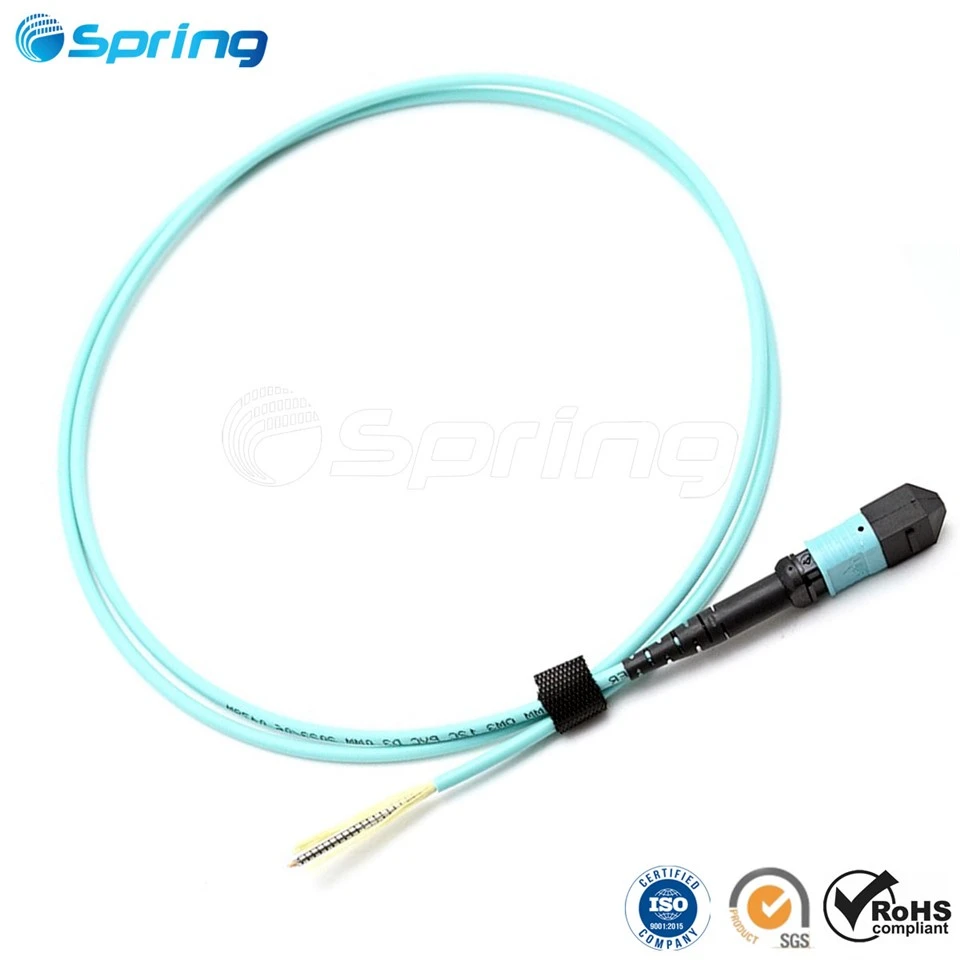
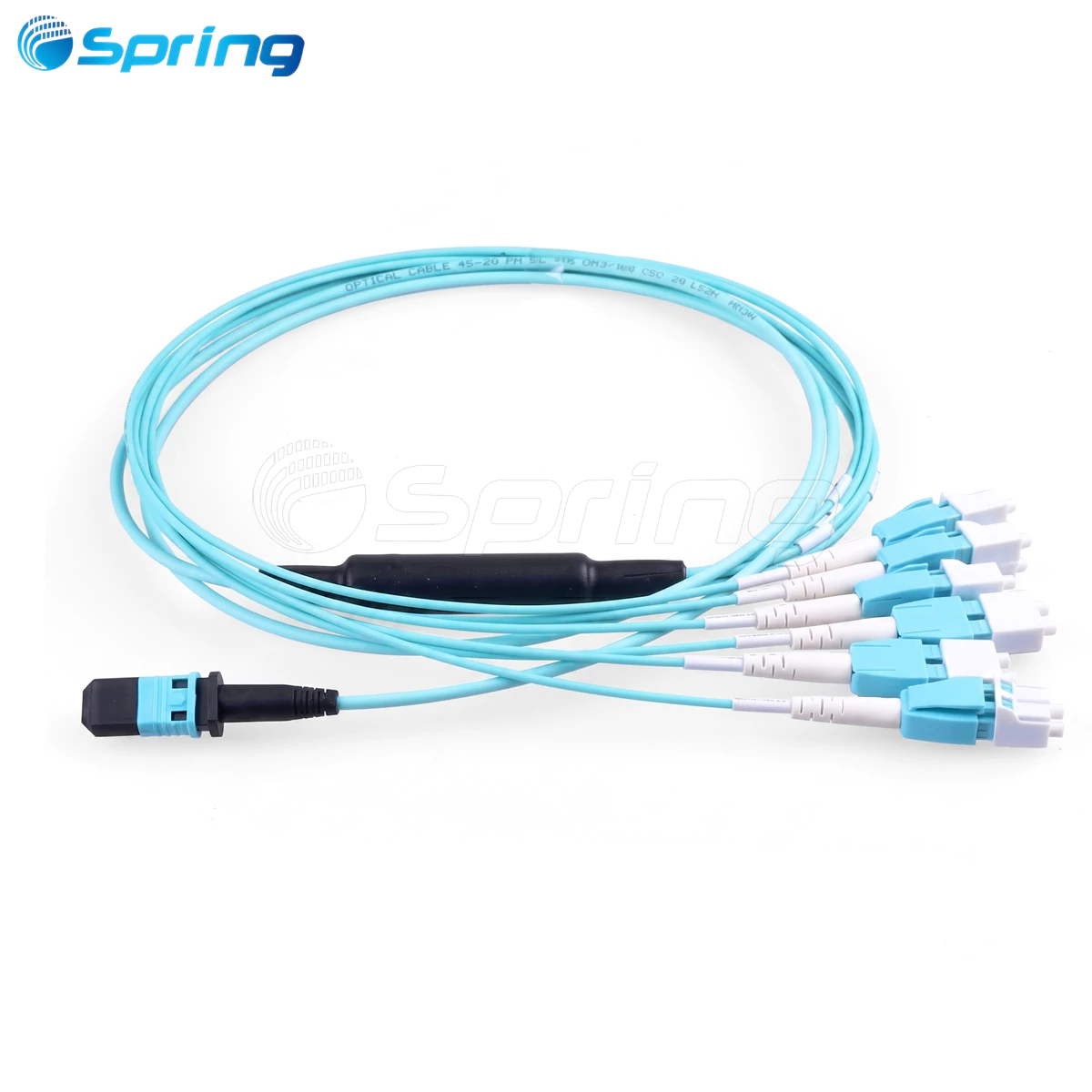
Pre-connectorized (OptiTap/MPO): fast deployment
Common Field Failures (Industry Insights)
Excessive bending in indoor routing (signal loss)
Over-tension during aerial installation (fiber break risk)
Poor sealing at building entry (moisture intrusion)
Incorrect fiber type selection (G652D used in tight indoor bends)
Competitive Benchmarking (Industry Insight)
| Manufacturer | Strength Focus | FTTH Strategy |
|---|---|---|
| Corning | Fiber performance & reliability | Premium FTTH ecosystem |
| CommScope | System integration | Large-scale operator deployment |
| Huawei | End-to-end FTTH solution | Operator turnkey systems |
| Spring Optical | Cost-effective + customization | OEM + flexible FTTH supply |
👉 Mid-tier manufacturers compete by offering:
Faster lead time
Custom jacket/fiber combinations
OEM/private label support
FAQ
What is FTTH drop cable used for?
It is used as the final connection between the fiber distribution network and the subscriber's premises in FTTH systems.
What is the difference between G657A2 and G652D?
G657A2 provides superior bend resistance and is optimized for indoor tight routing, while G652D is standard long-distance fiber.
Can FTTH drop cable be used outdoors?
Yes, when equipped with steel reinforcement and PE jacket, it supports aerial and wall-mounted outdoor deployment.
Why is LSZH important in FTTH cables?
It improves fire safety by reducing smoke and toxic gas emissions in enclosed environments.
Conclusion
FTTH Drop Cable is the core last-mile infrastructure component in global FTTH networks, enabling high-speed broadband connectivity from distribution networks to end users.
With:
G657A2 bend-insensitive fiber
Steel or FRP reinforcement
LSZH fire-safe jacket
Flat structure optimized for deployment
it has become the global standard for FTTH access networks used by operators and system integrators worldwide.
Need FTTH Drop Cable for Your Project?
Spring Optical provides scalable FTTH solutions for global telecom networks:
Indoor & outdoor FTTH drop cable
G652D / G657A1 / G657A2 fiber options
1–12 core customization
LSZH / PE jacket configurations
OEM / ODM manufacturing
FTTH ODN system support (FDB / MST / closures)
👉 Contact us for:
Datasheets
Samples
OEM customization
Project quotation