

Author: Hayden
Introduction: Why FTTH Connectivity Matters
As Fiber-to-the-Home (FTTH) networks continue to expand across urban, suburban, and rural areas, the reliability of the FTTH drop cable in the final segment has become a decisive factor in overall network performance. While backbone and distribution networks often receive the most engineering attention, real-world experience shows that a significant portion of FTTH faults occur in the last connection between the distribution point and the subscriber.
This article focuses on one critical yet often underestimated component of FTTH networks: pre-terminated FTTH drop cables for last-mile connectivity. Drawing on practical deployment experience, we explain how FTTH architectures work, why flat drop cables became the industry standard, how installation practices have evolved, and why pre-terminated and outdoor-rated FTTH drop cable solutions are now widely adopted.
Understanding FTTH and the FTTx Network Architecture
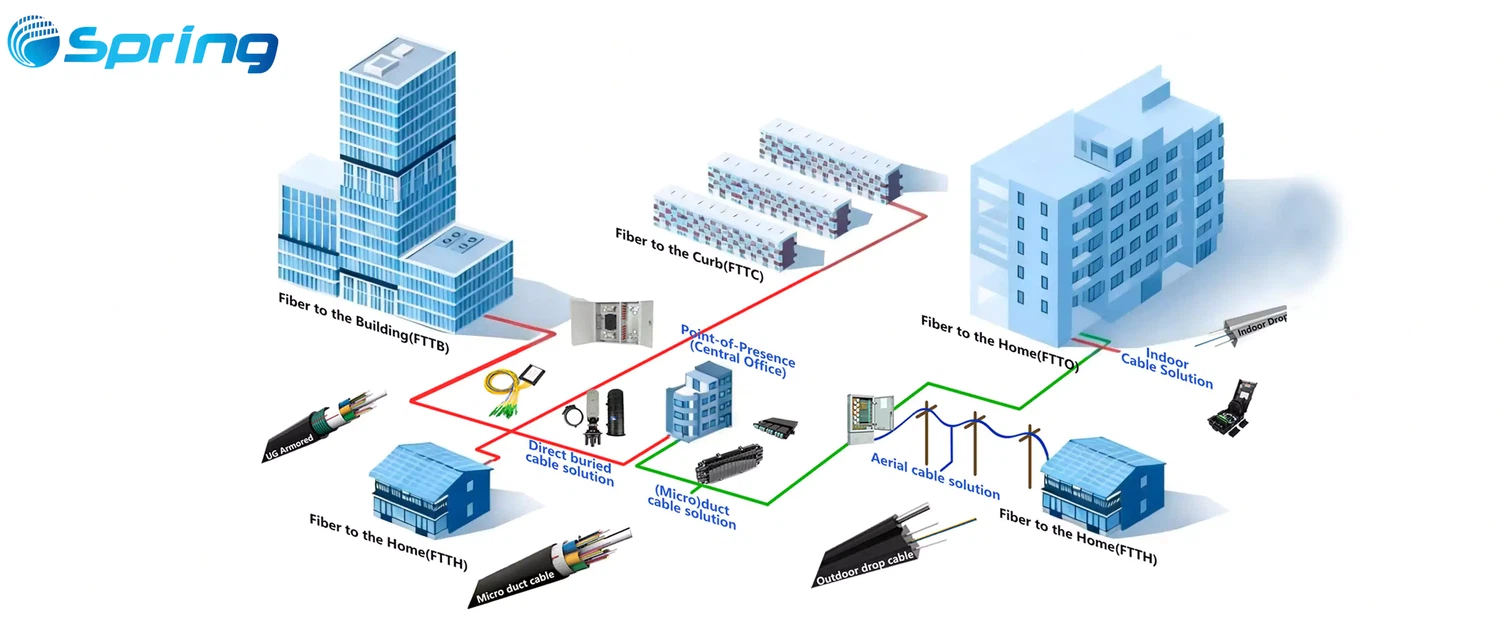
FTTH (Fiber to the Home) refers to an access network architecture in which optical fiber runs directly from the central office to the end user's residence. Depending on how close the fiber extends toward the subscriber, access networks are collectively referred to as FTTx, including:
FTTN – Fiber to the Node, FTTZ – Fiber to the Zone, FTTCab – Fiber to the Cabinet, FTTC – Fiber to the Curb, FTTB – Fiber to the Building, FTTP – Fiber to the Premises, FTTH – Fiber to the Home, FTTO – Fiber to the Office
From a network engineering perspective, FTTH represents the architecture closest to the end user, offering the highest bandwidth, protocol transparency, and long-term scalability.
From Central Office to the Home: Where the FTTH Drop Cable Comes In
In traditional FTTx deployments, optical signals are distributed step by step from the central office toward end users. High-count armored outdoor fiber cables such as GYTA or GYTS are typically used for backbone transmission between the central office and roadside cabinets or nodes.
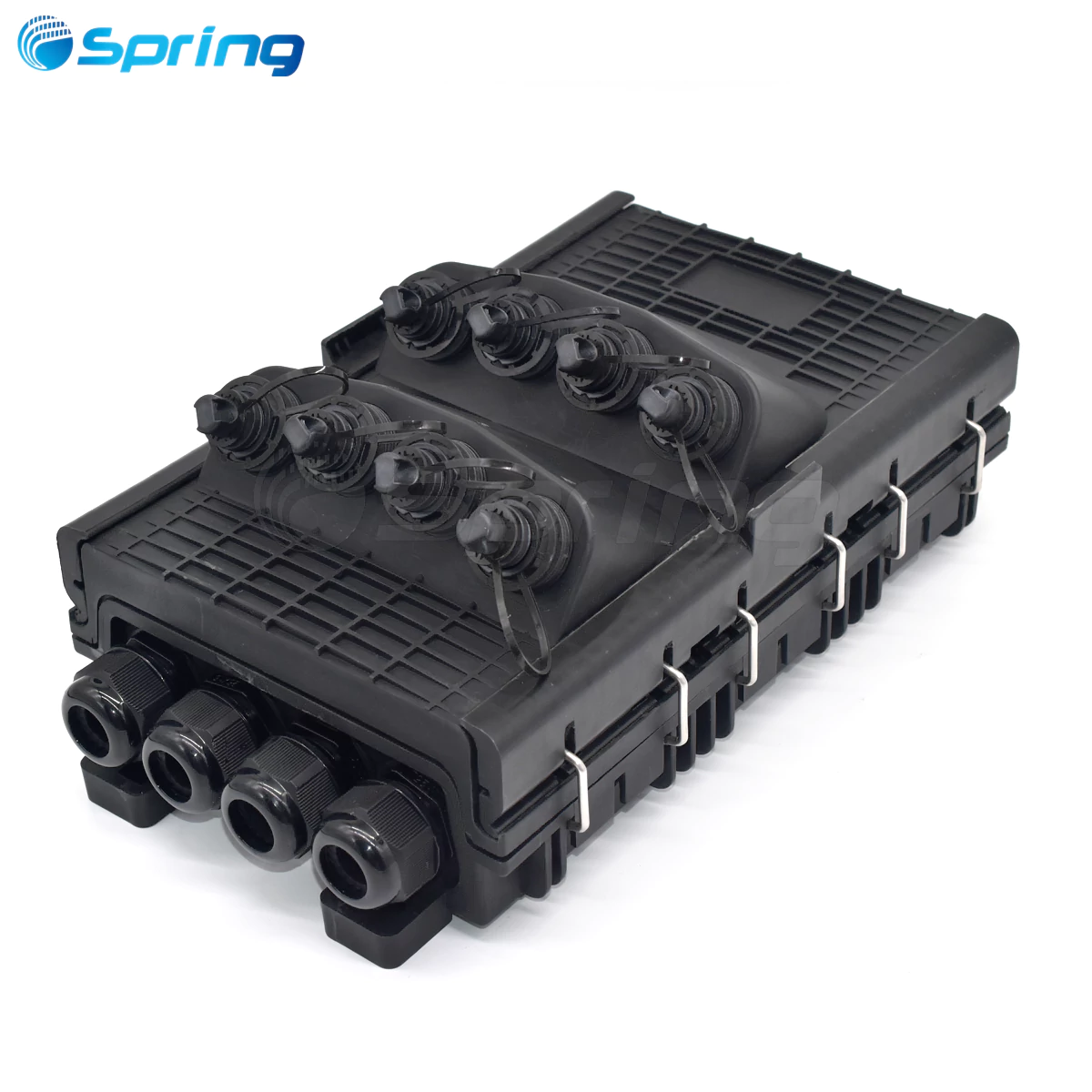
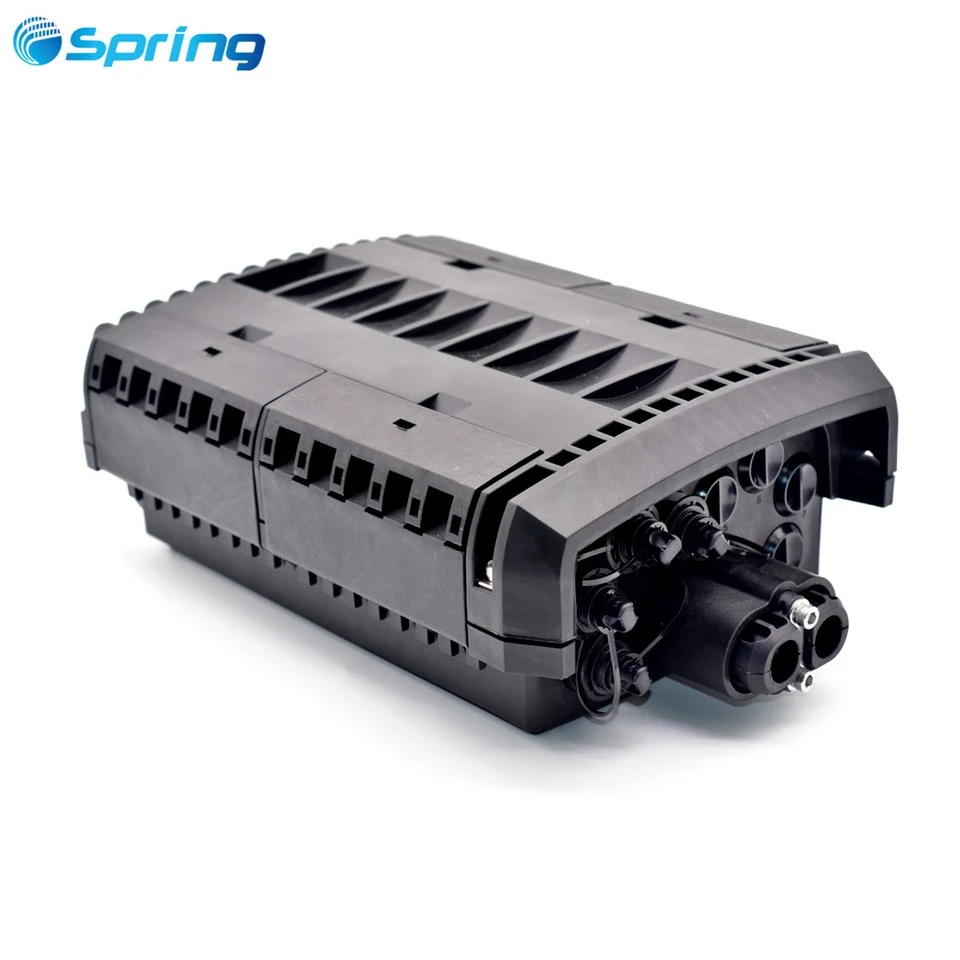
Standard Outdoor Multi-Core Fiber Optic Cables & Standard Outdoor Fiber Distribution Cabinets


After primary optical splitting inside cabinets or outdoor enclosures, secondary distribution fibers-often lower fiber-count aerial or duct cables such as GYXTW-carry signals into residential buildings or distribution areas.
Standard Outdoor Central Loose Tube Fiber Optic Cables & Indoor Corridor Fiber Distribution Boxes


It is at this stage that the FTTH drop cable begins. Inside building distribution boxes, fiber is either further split or directly spliced to the drop cable that runs into individual homes. Because this final segment must navigate tight spaces, bends, walls, and sometimes outdoor environments, flat drop fiber cables and pre-terminated FTTH drop cables have become the standard solution.
What Is a Flat Drop Fiber Cable?
Flat drop fiber cable-commonly known as butterfly drop cable-is designed specifically for last-mile FTTH installations. Structurally, it consists of:
A central optical fiber unit
Two parallel strength members (FRP or steel wire)
An outer jacket made of PVC or LSZH (Low Smoke Zero Halogen) material
Its symmetrical, flat cross-section allows for easy routing, tight bending, and discreet indoor installation. Flat drop cables are typically divided into:


Early FTTH Installations and the Rise-and Fall-of Fast Connectors

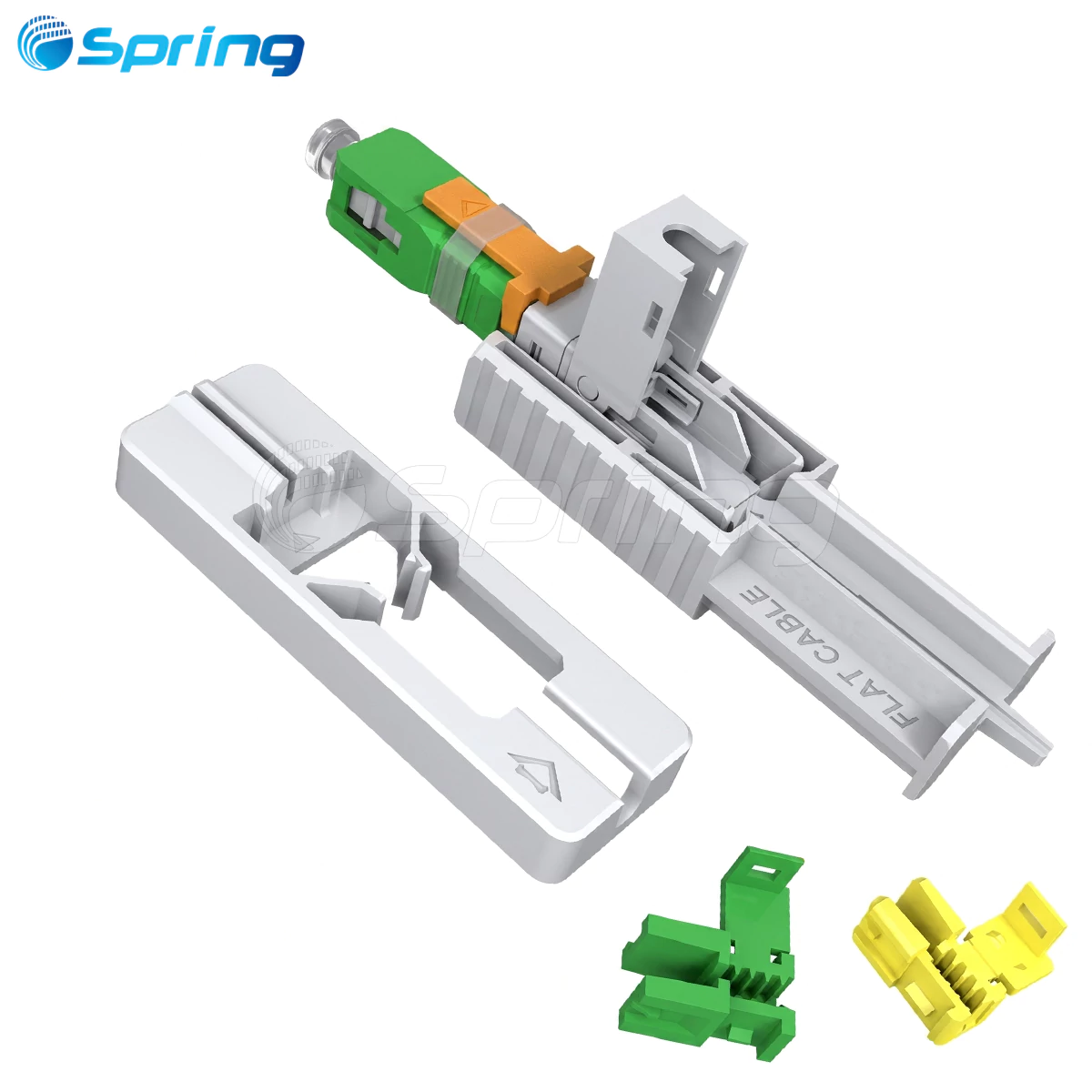
In the early stages of FTTH deployment, speed and flexibility were top priorities. To simplify installation, many operators relied on flat drop cables combined with field-installed fast connectors, allowing technicians to terminate fibers on site without fusion splicing.
While this approach initially accelerated rollout, several long-term issues soon became apparent:
Unstable mechanical strength – Field-installed connectors provide limited strain relief, making them vulnerable to pulling and vibration.
Inconsistent insertion loss – Connector performance heavily depends on fiber cleaving quality, which varies with technician skill.
Aging index-matching gel – Many fast connectors rely on matching gel to compensate for imperfect end faces. Over time, the gel degrades, leading to increased loss and maintenance issues.
As FTTH networks matured, these weaknesses became more costly than the installation speed they initially offered.
Why Pre-Terminated FTTH Drop Cables Became the Standard
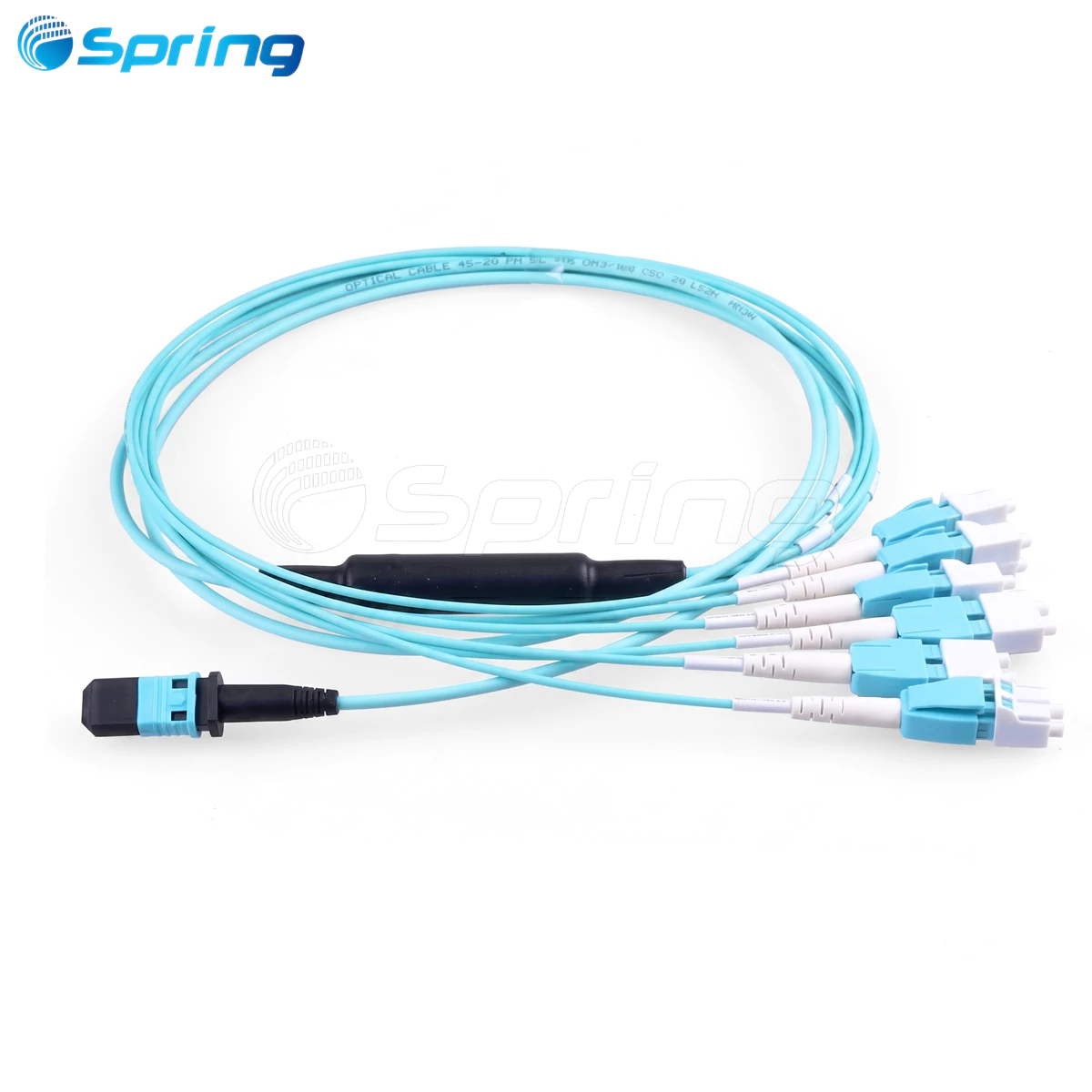
To improve long-term reliability, the industry gradually shifted toward pre-terminated FTTH drop cables. Although this approach requires advance planning for cable length and quantity, it offers decisive advantages:
Factory-controlled connector quality
Stable and predictable insertion loss
Superior tensile performance
Reduced long-term maintenance costs
Today, pre-terminated FTTH drop cables are widely regarded as the most reliable solution for permanent residential fiber connections.
Engineering Considerations Behind Reliable FTTH Drop Cable Solutions
In practical FTTH deployments, drop cable performance is never determined by a single parameter. Instead, material selection, fiber type, and structural design work together to ensure long-term stability.
Spring Optical, as an established fiber optic cable manufacturer with over 10 years of production experience, applies strict material control across its FTTH drop cable solutions. Flat drop cables are manufactured using high-grade flame-retardant LSZH jackets, balancing environmental safety with installation flexibility.


For the fiber core, G.657A bend-insensitive single-mode fiber is used as standard, significantly reducing bend-induced loss in tight routing scenarios. Parallel strength members are made from phosphated steel wire, offering enhanced corrosion resistance and abrasion durability during aerial or surface installations.
For multi-core FTTH drop configurations, dedicated drop cable branch components are applied to ensure high tensile strength while avoiding excessive fiber bending at split points.
Outdoor FTTH Drop Cables and the Emergence of Waterproof Mini-SC Solutions
As FTTH deployment expanded into rural and semi-rural regions, installation environments changed dramatically. In many cases, FTTB distribution boxes are mounted outdoors on poles, and drop fibers are aerially routed directly into homes.
Under these conditions, standard indoor pre-terminated FTTH cables are no longer sufficient. Outdoor deployments demand:
Waterproof connector interfaces
Higher tensile resistance
Long-term environmental sealing
To address this need, new generations of outdoor pre-terminated FTTH drop cables with waterproof Mini-SC connectors were developed. Both Corning and Huawei introduced dedicated Mini-SC interfaces designed specifically for outdoor FTTH applications.
In response to evolving deployment requirements, Spring Optical has developed its own outdoor-rated FTTH drop cable solutions compatible with mainstream Mini-SC interfaces, providing reliable performance in pole-mounted and aerial installations.


FAQ
Q: What is a pre-terminated FTTH drop cable?
A: A pre-terminated FTTH drop cable is the final fiber connection between the distribution point (such as an FTTB box or terminal) and the subscriber's optical network unit (ONU), typically using flat drop fiber cable.
Q: Why is G.657A fiber recommended for FTTH drop cables?
A: G.657A fiber offers superior bend performance, minimizing signal loss in tight indoor routing and complex installation paths common in FTTH deployments.
Q: Are fast connectors still used in FTTH installations?
A: Fast connectors are mainly used for temporary repairs or emergency restorations. For permanent installations, pre-terminated FTTH drop cables are preferred due to their stability and reliability.
Q: What is the difference between indoor and outdoor FTTH drop cables?
A: Indoor FTTH cables focus on flexibility and flame retardancy, while outdoor FTTH drop cables provide enhanced tensile strength, waterproof connectors, and environmental protection.
Q: What is a Mini-SC connector in FTTH networks?
A: A Mini-SC connector is a compact, ruggedized SC-type connector designed for outdoor FTTH applications, offering improved sealing and mechanical strength.
Conclusion: Building Reliable FTTH Networks Starts at the Last-Mile
As FTTH networks scale globally, the importance of the final FTTH drop cable segment continues to grow. By adopting pre-terminated, bend-insensitive, and outdoor-rated FTTH drop cables, operators can significantly reduce failure rates and long-term maintenance costs.
Practical deployment experience shows that reliable FTTH performance is built not only in the backbone-but right at the customer's door.
About the Author
This article is written by Hayden, a fiber connectivity engineer from Spring Optical, a manufacturer specializing in FTTH pre-terminated drop cable solutions, with over 10 years of experience supporting global broadband network deployments.