

Author: Cathy sales@springoptic.com
Introduction
When planning an FTTH (Fiber To The Home) network, one of the most important decisions is how the flat drop fiber cable will be installed. The type of installation directly affects the cable's construction, safety requirements, maintenance strategy, and long-term reliability.
In this guide, we compare toneable vs dielectric flat drop fiber cables, explain their design differences, and clarify how to choose the right cable for underground or aerial deployment.

Toneable Flat Drop Fiber Cable

Primary Purpose: Traceability and Identification
Key Feature: Contains a metallic tracer wire (usually copper or steel) embedded alongside the fiber.
How it Works:
A technician connects a toner or signal tracer to this metallic wire. The toner sends an audible or inductive signal, allowing the technician to trace the exact path of the buried cable-even through walls, conduit, or underground.
Common Use:
Primarily used in direct-buried flat drop fiber cable installations. Toneable functionality is essential to prevent accidental damage during future excavations ("call before you dig" / 811 locates).
Dielectric Flat Drop Fiber Cable
Primary Purpose: Electrical Safety and Aerial Construction
Key Feature: No metallic components-no metallic strength members, armor, or tracer wire. Made entirely of non-conductive materials such as plastic, fiberglass, or aramid yarn (Kevlar®).
How it Works:
Non-conductive: Safer near power lines
Lightning resistant: Won't attract induced surges
Lighter weight: Easier for long aerial spans
Common Use:
Primarily for aerial installations, lashed to a support strand or in a "figure-8" configuration. Its safety characteristics make it the standard near electrical lines.

Comparison Table: Toneable vs Dielectric Flat Drop Fiber Cable
| Feature | Toneable Flat Drop Fiber Cable | Dielectric Flat Drop Fiber Cable |
|---|---|---|
| Core Purpose | Locating & identifying buried cable | Safety in aerial & general use |
| Key Component | Metallic tracer wire | All-dielectric (no metal) |
| Safety | Slight risk near power if damaged | Safer near power lines; lightning resistant |
| Primary Installation | Buried / underground (direct-burial or conduit) | Aerial (strung between poles) |
| Traceability | Yes – can be traced with a toner | No – cannot be traced electronically |
| Typical Strength Member | Steel wire for strength & traceability | Fiberglass or Aramid (Kevlar®) yarn |
Environmental Considerations
| Feature | Toneable Flat Drop Fiber Cable Environment | Dielectric Flat Drop Fiber Cable Environment |
|---|---|---|
| Core Purpose | Serviceability & damage prevention of hidden cables | Safety & reliability in exposed areas |
| Primary Domain | Underground (Earth) | Overhead (Air) |
| Typical Scene | Suburban yard, buried across driveway, in conduit under street | Strung between poles, lashed to a support strand |
| Key Risk Mitigated | Accidental dig-ups | Electrical faults / lightning |
| Post-Installation Visibility | Zero – completely hidden | High – fully visible along its run |
| Installation Method | Trenching, plowing, conduit | Lashing, clipping, tensioning |
| Locating Method | Electronic (toner/probe) | Visual |
Dielectric Toneable Hybrid Cable: The Modern Standard
The most common cable for underground work today is a dielectric toneable flat drop fiber cable, combining the advantages of both concepts:
Environment: Underground (needs tracer wire)
Construction: Mostly dielectric with a fusible tracer wire for safety
Logic: "We need to locate it (toneable), but we also want it safe (dielectric)."
This hybrid approach is now the default for residential and suburban FTTH drops.
Factory-Assembled and Customizable Flat Drop Fiber Cable Solutions
Flat drop fiber cables can be factory-assembled and customized with complementary components to meet specific FTTH deployment needs. Common examples include:
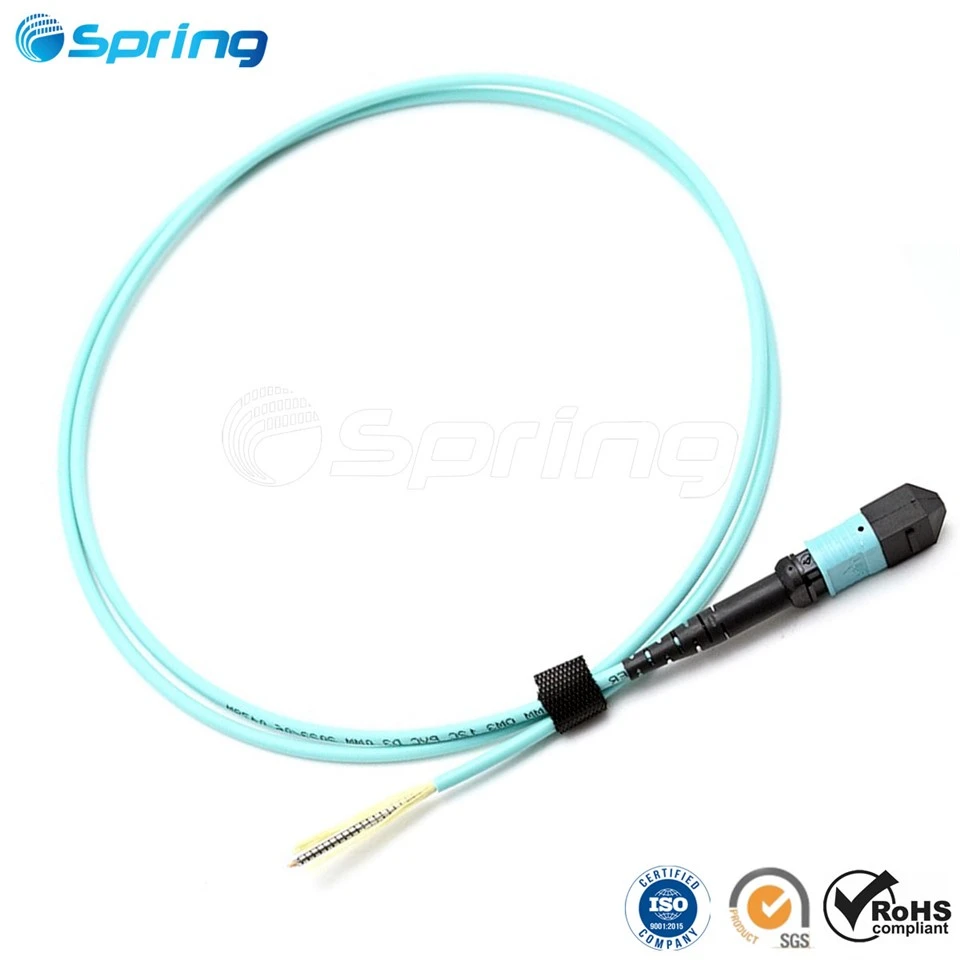
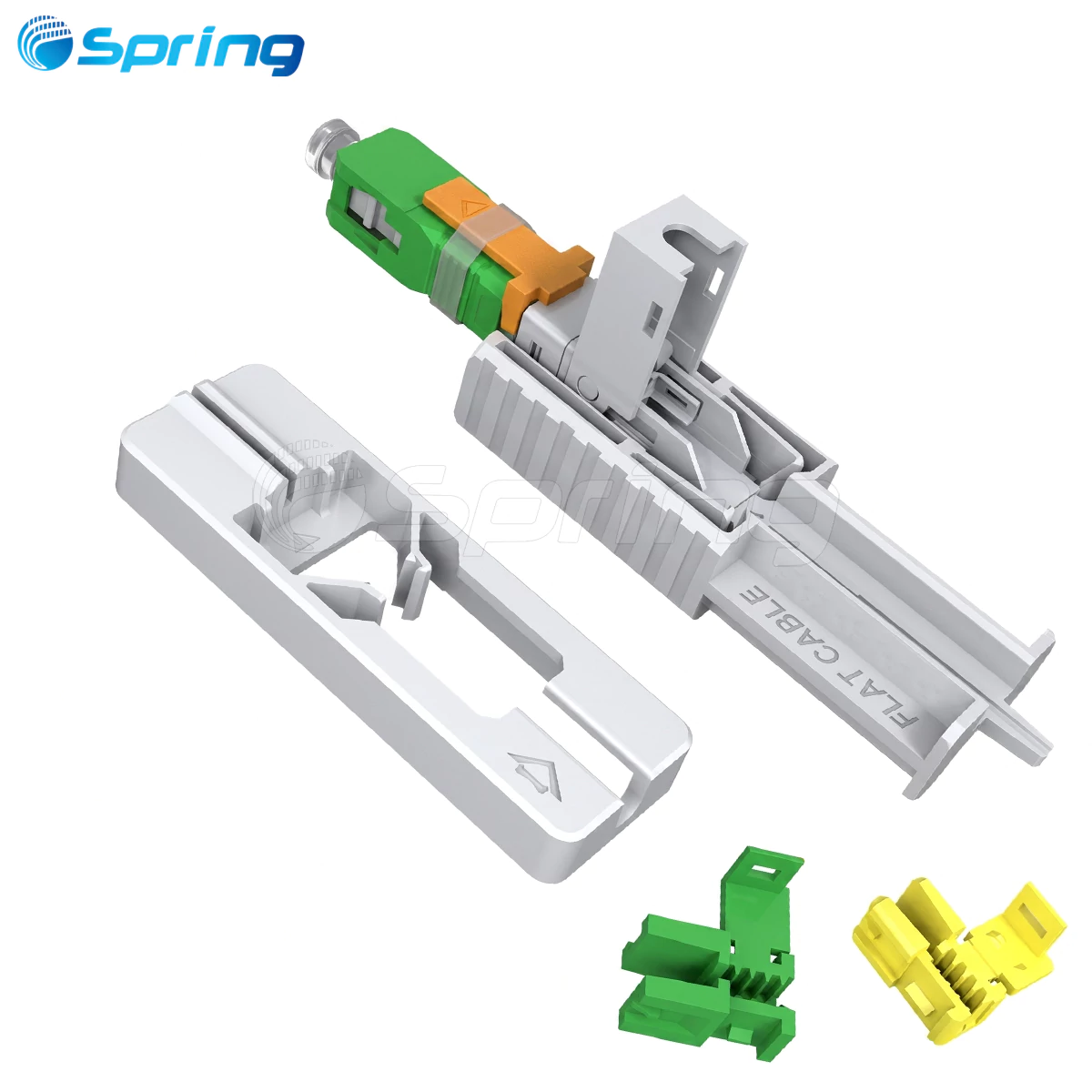
Pre-Terminated SC/APC Pigtails with Flat Drop Fiber Cable Assembly – ideal for plug-and-play deployment in residential or commercial networks

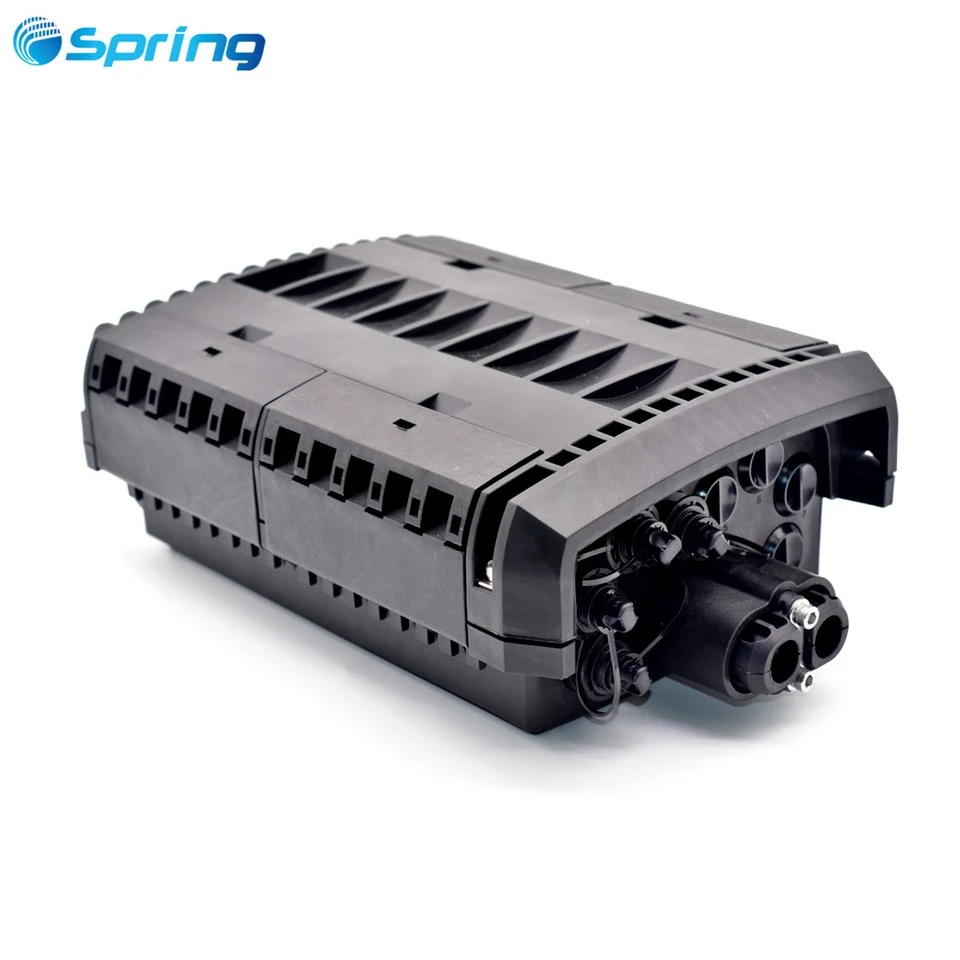
Multiport Service Terminal (MST) with Flat Drop Fiber Cable – streamlines termination, splicing, and distribution in FTTH access networks

Flat Drop Fiber Cable with Pre-Terminated Hardened Connector – provides durable, weatherproof connections suitable for outdoor aerial or underground installations

By offering factory pre-assembly and customization, these solutions reduce field labor, ensure consistent quality, and simplify installation, making FTTH networks safer, faster to deploy, and more maintainable.
How to Choose the Right Flat Drop Fiber Cable
Where will the cable be physically installed?
In the air or on a building → Dielectric, Non-Toneable
In the ground → Dielectric, Toneable
Is electrical contact possible?
Near power lines → Dielectric construction
Will the cable need to be located after installation?
If yes → Toneable required
Matching cable properties to the environment ensures a long-lasting, safe, and maintainable FTTH network.
Bottom Line
Toneable Flat Drop Fiber Cable: Prioritizes traceability and underground serviceability
Dielectric Flat Drop Fiber Cable: Prioritizes safety and aerial reliability
Dielectric + Toneable Hybrid: The go-to choice for buried installations in modern FTTH networks
Key Advice: Select based on installation location, not just construction type, for the safest and most maintainable network.
FAQ
Q: Can toneable fiber cables be installed aerially?
A: No. Toneable cables contain metallic tracer wires, which create electrical hazards in aerial installations.
Q: What does dielectric mean in fiber drop cables?
A: Dielectric cables contain no metal, making them safe near power lines and resistant to lightning-induced surges.
Q: Why are tracer wires important in buried cables?
A: Tracer wires allow technicians to locate underground fiber without excavation, preventing accidental damage.
Q: Can direct-burial fiber cable be installed aerially?
A: Technically yes, but it is not recommended due to weight and tensile limitations.
Q: What is the most commonly used cable for residential FTTH deployment?
A: Dielectric toneable direct-burial flat drop fiber cable is the standard for underground residential FTTH networks.
Author: Cathy, Fiber Optic Network Specialist
Experience: 15+ years in FTTH design, deployment, and maintenance
Company: Spring Optical – Global FTTH Solutions Provider