

Quick Answer: What Is a Fiber Termination Box?
A Fiber Termination Box (FTB)-also referred to as an Optical Terminal Box (OTB)-is a specialized, protective optical enclosure engineered to terminate, splice, organize, and manage fiber connections at the final boundary of an FTTx or FTTH network.
Serving as the critical transition point between incoming feeder/distribution cables and subscriber-side equipment (such as Optical Network Terminals, or ONTs), a properly specified FTB ensures optical signal integrity by maintaining strict fiber bending radii, preventing dust contamination, and providing mechanical strain relief.
Typical ODN Signal Path:
Feeder Cable ➔ Distribution Box / Splitter ➔ Fiber Termination Box (FTB) ➔ Subscriber Drop Cable ➔ ONT
Quick Selection Matrix for Network Engineers & Procurement
| Deployment Scenario | Recommended FTB Spec | Key Features | Primary Enclosure Material |
| Indoor MDU / Apartment Entry | 4 to 12-Port Wall Mount | Micro Drop Entry, Cable Routing Channels, Compact Footprint | ABS + PC (UL94-V0 Flame Retardant) |
| Outdoor Aerial / Pole Mount | 8 to 24-Port IP65/IP68 | Anti-UV Housing, Waterproof Glands, Integrated Splice Tray | High-Impact Polycarbonate (PC) |
| Central Office / Telecom Room | 24 to 96-Port Rack Mount (1U/2U) | Sliding Tray Design, High-Density Adapter Panel, Cable Management | Cold-Rolled Steel / Aluminum |
| Fast Deployment (Low Labor) | Pre-Terminated / Plug-and-Play | Factory-Polished Adapters, Hardened Connectors (IP68) | Reinforced UV-Stabilized Polymer |
What Is the Role of a Fiber Termination Box in FTTx Architecture?
In FTTx/FTTH (Fiber to the Home) architecture, optical signals travel over long distances via distribution cables. Before these signals reach end-user devices, they require a controlled environment for signal transition, cable anchoring, and splice protection.
Internal Fiber Management Flow:
Cable Entry Ports ➔ Strain Relief & Fixing ➔ Fusion Splice Tray ➔ SC/LC Adapter Panel ➔ Customer Drop Patch Cord
A technical-grade fiber termination box fulfills five primary engineering roles:
1. Fiber Termination & Patching: Holds SC, LC, or custom adapters to convert incoming drop cables into patchable subscriber connections.
2. Fusion Splice Protection: Accommodates splice trays that keep sensitive fusion splices flat, protected from lateral forces, and isolated from environmental exposure.
3. Bending Radius Management: Built-in routing spools guarantee that fiber optic cables maintain a minimum bending radius (typically ≧30 mm for standard G.652.D or R ≥ 7.5mm for G.657.A2 bend-insensitive fibers), preventing macrobending loss.
4. Cable Strain Relief: Mechanical clamping mechanics absorb external pulling forces, preventing tensile stress from reaching fragile splice joints.
5. Environmental Sealing: Prevents water, airborne dust, insects, and corrosive agents from degrading exposed optical faces.
Core Types of Fiber Termination Boxes
Selecting the optimal enclosure design directly impacts network longevity and installation speed. Fiber termination boxes are categorized by installation environment and mounting method:
1. Indoor Fiber Termination Box
Engineered for MDUs (Multi-Dwelling Units), office buildings, and indoor customer premises.
Primary Focus: Aesthetics, compact footprint, and ease of technician access.
Key Features: Flame-retardant ABS housing, snap-in cable entry, internal cable routing guides, and integrated splice trays.
Typical Capacity: 1 to 12 ports.

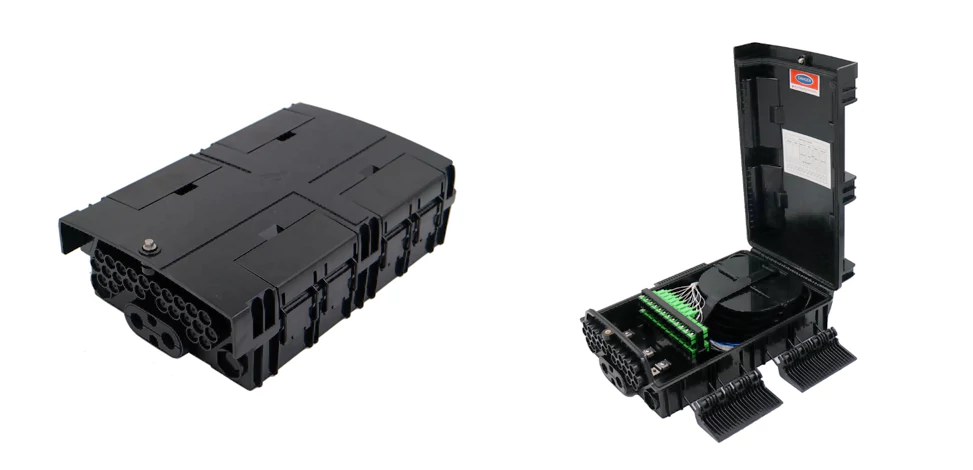
2. Outdoor Fiber Termination Box
Designed to endure severe environmental exposure, UV radiation, rain, and temperature fluctuations.
Primary Focus: Weatherproofing, dust protection, and structural durability.
Key Features: Silicone rubber gaskets, IP65/IP68 sealing ratings, stainless steel mounting hardware, and UV-stabilized polymer construction.
Typical Capacity: 8 to 48 ports.
Pro Tip for Field Engineers: For coastal or high-humidity regions, ensure the outdoor FTB features 304 or 316-grade stainless steel locking mechanisms. Standard zinc-plated latches degrade within 12–18 months in saline environments, leading to unsealable enclosures.
3. Wall-Mount vs. Rack-Mount Enclosures
Wall-Mount FTBs: Compact enclosures installed on building exteriors, stairwells, or utility walls. Ideal for distributed FTTH access networks where spatial footprints are constrained.
Rack-Mount FTBs: Designed for standard 19-inch telecom racks inside equipment rooms or central offices. They offer high port density (24 to 144 ports in 1U–4U configurations) and feature slide-out drawer designs for streamlined maintenance.

4. Pre-Terminated / Pre-Connectorized Fiber Termination Boxes
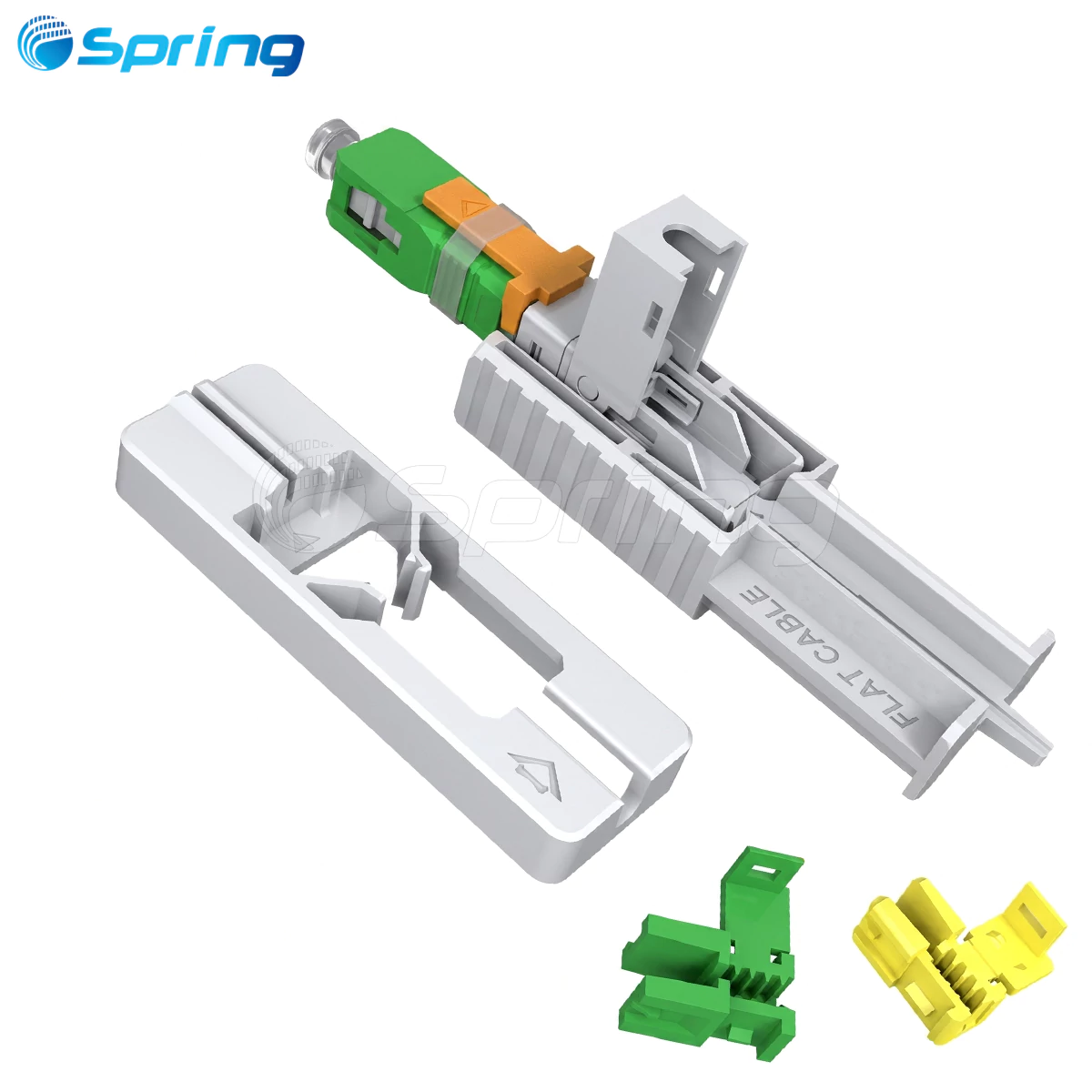
Pre-terminated FTBs come equipped with factory-assembled pigtails, adapters, or hardened external connectors (e.g., FastConnect/Slim-style).
Why Shift to Pre-Terminated Systems? Field splicing requires skilled labor, specialized equipment, and favorable field conditions. Pre-terminated FTBs allow field crews to utilize plug-and-play drop cables, reducing onsite installation time by up to 70% and drastically lowering CAPEX for large-scale rural or municipal broadband rollouts.

Fiber Termination Box vs. Distribution Box vs. Patch Panel
A common challenge in ODN planning is distinguishing between termination boxes, distribution boxes, and patch panels. While all three manage optical cabling, their network roles, capacities, and positions differ significantly:
| Feature | Fiber Termination Box (FTB) | Fiber Distribution Box (FDB) | Fiber Patch Panel |
| Network Position | Boundary Point / Customer Premises | Distribution Node (Feeder-to-Drop) | Central Office / Data Center |
| Primary Function | Final drop termination, splicing, and patch cord output | Fiber splitting (1:8/1:16/1:32) & subscriber distribution | High-density cross-connecting & backbone management |
| Typical Capacity | 2 to 24 Ports | 16 to 64 Ports | 24 to 144+ Ports |
| Ingress Rating | IP54 (Indoor) to IP68 (Outdoor) | IP65 to IP68 (Outdoor) | IP20 / IP40 (Indoor) |
| Installation | Wall Mount / Pole Mount | Outdoor Cabinet / Pole / Wall | 19-inch Equipment Rack |
Key Technical Specifications for Network Procurement
When evaluating fiber termination boxes for network tenders or wholesale distribution, verify the following engineering parameters:
Critical Technical Specifications Checklist
Fiber Capacity & Port Density: 2 to 96 Ports / Modular Trays
Adapter Compatibility: SC/APC, SC/UPC, LC/Duplex
Material & Ingress Rating: ABS+PC / Polycarbonate (IP65–IP68)
Optical Performance: Insertion Loss < 0.2dB | Return Loss > 60dB
Mechanical Durability: IK08+ Impact Resistance | Anti-UV (UL94-V0 Flame Retardant)
Detailed Parameter Breakdown
Fiber Capacity & Expansion Margin
Selecting an FTB that matches exact current capacity often leads to premature network replacement.
Best Practice: Always factor in a 25%–50% spare port expansion margin. For example, if a multi-family home currently requires 8 subscriber drops, specify a 12-port or 16-port FTB to handle future service upgrades without altering physical infrastructure.
Adapter Compatibility & Optical Performance
The adapter panel interface must align with your transmission protocol and return loss targets:
SC/APC (Green): Standard for FTTH/PON networks. Angled physical polish delivers high return loss ($\le -60\text{ dB}$), minimizing back reflections in analog video and high-speed data signals.
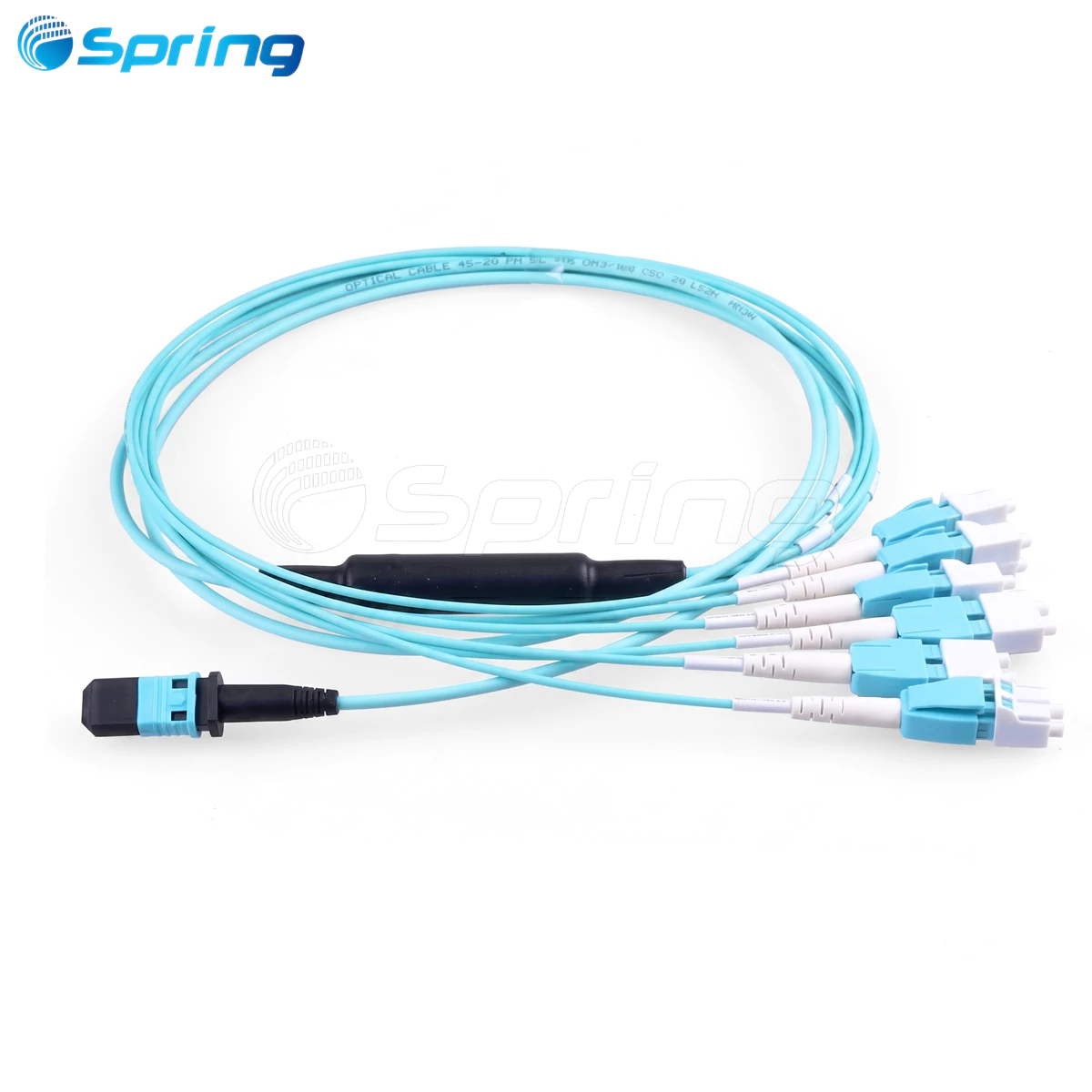
LC/UPC (Blue): High-density small-form-factor connection suited for dense enterprise terminals or dual-fiber symmetrical links.
Ingress Protection (IP) & Mechanical Impact Ratings
IP65: Dust-tight and protected against water jets from any angle. Suitable for sheltered outdoor walls.
IP68: Submersible performance. Essential for underground handholes, manholes, or flood-prone regions.
IK08/IK10 Impact Rating: Ensures the enclosure withstands physical vandalism or accidental impacts during utility work.
Material Quality & Flame Resistance
Indoor Enclosures: ABS + PC polymer meeting UL94-V0 flame retardant standards for indoor building safety.
Outdoor Enclosures: High-grade Polycarbonate (PC) mixed with UV-inhibitor additives to prevent plastic embrittlement, discoloration, and micro-cracking under prolonged direct sunlight.
Common Procurement & Installation Pitfalls
Avoid these frequent mistakes when selecting and deploying FTBs:
1. Underestimating Cable Entry Gland Specifications: Ensure cable entry ports match the precise outer diameter (OD) of your incoming distribution cables and drop wires. Mismatched cable glands fail to create a watertight seal, leading to moisture accumulation inside the splice tray.
2. Ignoring Splice Tray Bending Limits: Inferior splice trays with tight turn channels induce macrobending losses, adding 0.5dB to 2.0dB of attenuation at 1550 nm wavelengths. Verify that internal tray channels strictly maintain an optical bending radius of ≥ 30mm.
3. Prioritizing Initial Unit Price Over Total Cost of Ownership (TCO): Low-cost enclosures using recycled plastics degrade quickly under UV radiation, resulting in cracked housings, water ingress, and costly emergency service dispatch calls.
Frequently Asked Questions (FAQ)
What is the main purpose of a fiber termination box?
A fiber termination box terminates, splices, and routes optical fibers at the edge of a network. It provides a protected enclosure for incoming fiber cables, splice trays, adapters, and subscriber drop patch cords.
What is the difference between IP65 and IP68 fiber termination boxes?
An IP65 enclosure is dust-tight and resistant to rain or low-pressure water jets, making it suitable for above-ground outdoor wall or pole mounting. An IP68 enclosure offers continuous underwater submersion protection, making it mandatory for underground vaults, manholes, or extreme outdoor environments.
Can an FTB support both fusion splicing and field-installable fast connectors?
Yes. Modern FTBs feature removable splice trays and flexible cable routing paths, allowing technicians to either fusion splice fibers onto pigtails or directly terminate drop cables using field-installable fast connectors (mechanical splices).
Why is SC/APC preferred over SC/UPC in FTTH termination boxes?
SC/APC connectors feature an 8-degree angled end-face, directing reflected light into the fiber cladding rather than back toward the transmitter. This results in superior return loss performance (≥ 60dB), which is critical for RF video signals and Gigabit PON (GPON/XGS-PON) stability.
Custom FTB Solutions from Spring Optical
Choosing a reliable manufacturing partner is essential for maintaining supply chain stability and ensuring network performance.
At Spring Optical (Shenzhen Spring Optical Communication Co., Ltd.), we specialize in engineering and manufacturing high-reliability passive optical network components for global telecom operators, regional ISPs, and fiber contractors.
Spring Optical OEM/ODM Core Advantages
Engineering Customization: Custom enclosure molding, branded silk-screening, modular port configurations, and tailored cable entry ports.
Factory Pre-Assembly: Pre-installed adapters, pigtails, and optical splitters engineered to minimize your onsite field labor.
Strict Quality Assurance: 100% optical verification for Insertion Loss (IL < 0.2dB) and Return Loss (RL > 60dB), alongside IP environmental testing.
Scalable Manufacturing: Rapid prototyping capabilities backed by high-capacity bulk production for global rollout deadlines.
Ready to streamline your next FTTH deployment?
[Contact Spring Optical Engineering Team] to request custom product datasheets, CAD drawings, or order a free engineering sample kit for your upcoming tender evaluation.