

Author: Hayden
Introduction
In FTTH, FTTB, and other fiber access networks, terms such as Fiber Optic Termination Box, Fiber Distribution Box (FDB), and ODF (Optical Distribution Frame) are frequently mentioned.
Although all three are related to fiber connection and management, their installation locations, functional roles, and positions within the network architecture are fundamentally different.
Confusing these devices may lead to non-standard cabling at best, and serious challenges in network expansion, troubleshooting, and long-term maintenance at worst.
From a planning and design perspective, this article will give you an organized understanding of the meaning, function, and differences between the three most frequently used fiber optic components.
TL;DR – Summary of Key Differences at a Glance
| Device | Location | Layer | Role |
|---|---|---|---|
| Fiber Optic Termination Box | User Side / Network Edge | Access Edge | Termination & Protection |
| Fiber Distribution Box (FDB) | Corridor Locations / Public Areas | Access Layer | Distribution / Splitting |
| ODF (Optical Distribution Frame) | Central Office / Equipment Room | Aggregation / Core | Centralized Management of Fibers |
What is a Fiber Optic Termination Box?

The Connection Hub at the End of the Fiber Cable
A Fiber Optic Termination Box is a small enclosure located at the terminal end of the fiber where it enters your customer premises. Its function is primarily to splice, secure, and protect the optical fibers connecting the incoming drop cable to the pigtail or patch cable.
Typical FTTH Implementation Scenarios:
Individual Locations (home)
Building-level cabinets for weak current
Smaller indoor distribution nodes [or] fiber optic distribution boxes (FOB)
Functional Characteristics:
Provides storage space for slack/fiber splices
Provides mechanical support for the fiber to prevent bends and tensile stress
Provides a small number of fiber connectors (typically between 1 to 12 fibers)
Compact design for indoor and near-user deployment
Engineering Perspective:
From an engineering standpoint, the fiber optic termination box represents a commonly used access edge device, focusing on connection reliability and efficient usage of small spaces.
What is a Fiber Distribution Box?

A Fiber Allocation Node in Corridors or Residential Regions
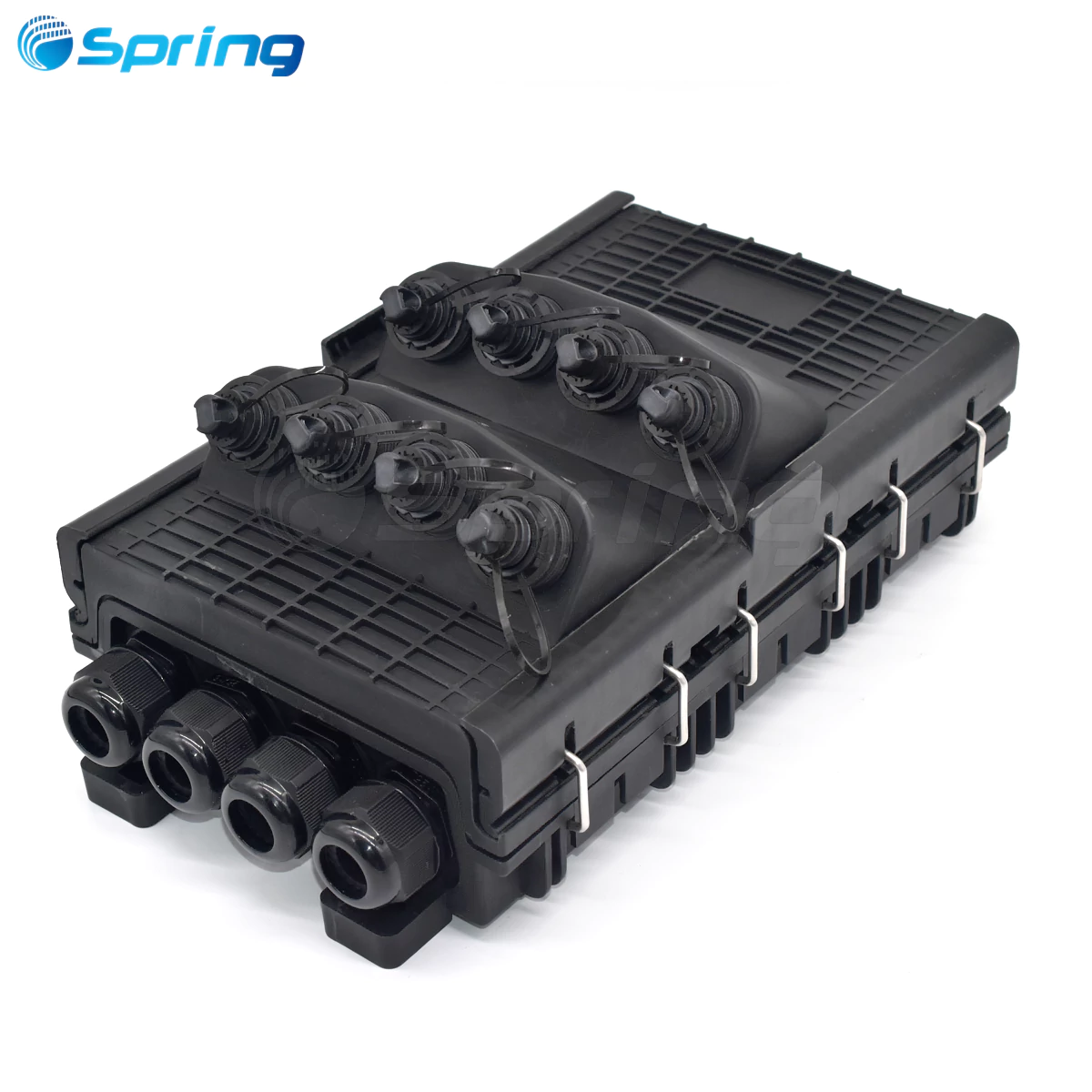
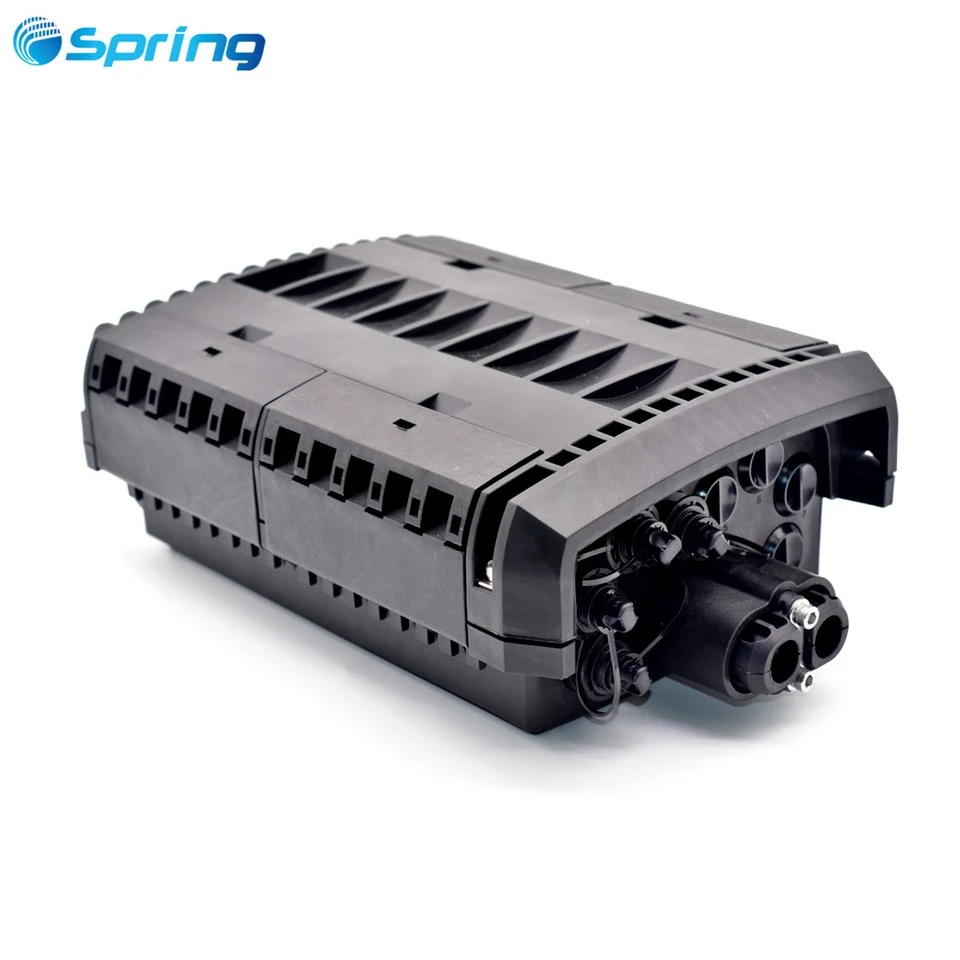
A Fiber Distribution Box (FDB) is typically deployed within building corridors, building stairways, outside wall systems, or other shared community spaces, and acts as an essential intermediate node within FTTH networks.
Primary Function:
Distribute the fiber from the feeder/distribution cabling into multiple directions toward the subscriber's access point.
Typical Application Scenarios:
Public areas in buildings containing multiple apartments
Areas of residential dwelling accessible by residents
Distribution points related to FTTB or FTTH deployments
Components Typically Contained Within an FDB:
Fiber splice trays
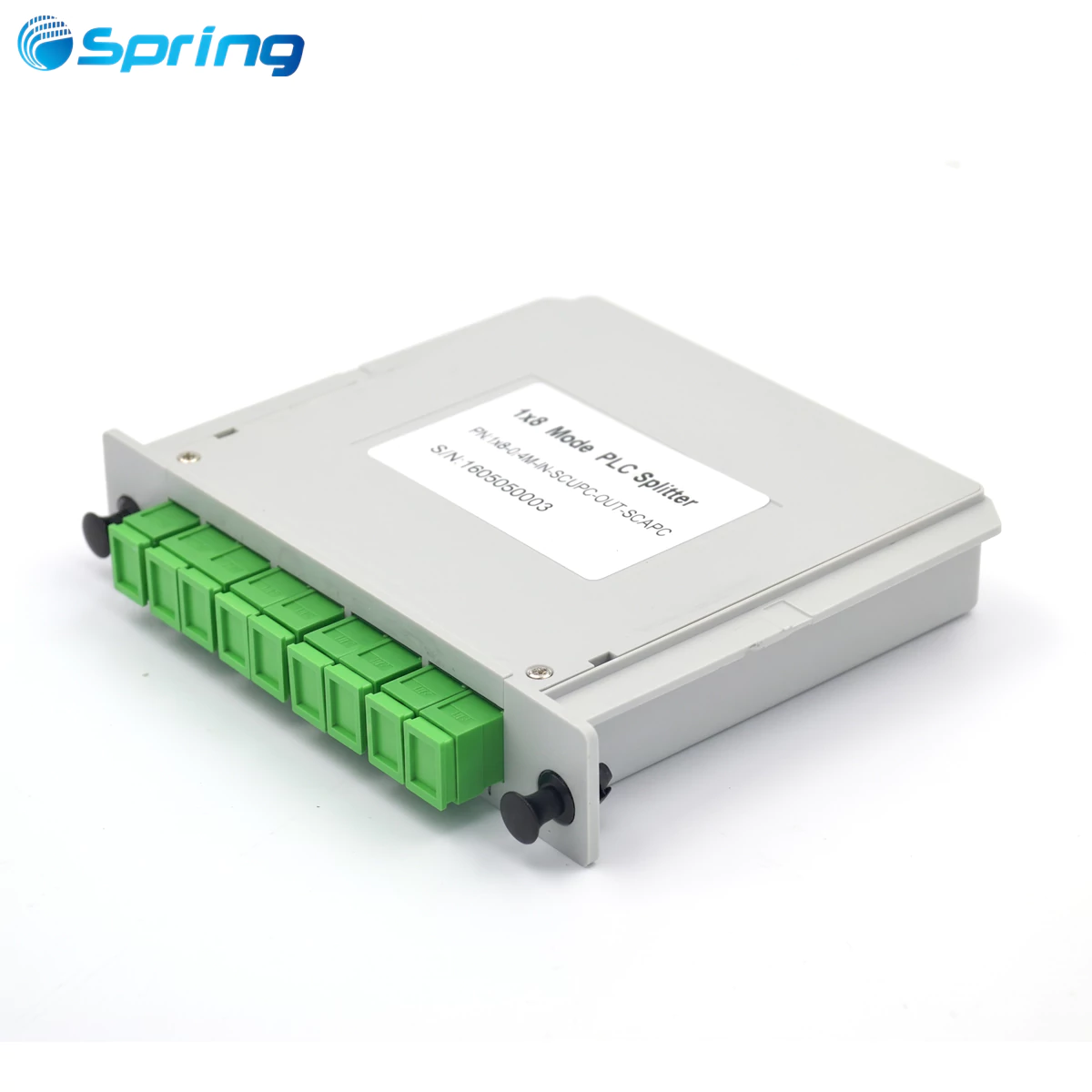
PLC optical splitters
Space for adapter and patch cord management
Key Difference from Termination Box:
While a fiber optic termination box serves a single user or only a limited number of users (less than five), a Fiber Distribution Box is designed to provide fiber access for multiple users.
Architectural Perspective:
Placed in the Access Layer
Focuses on port capacity, optical splitter management, and ease of future expansion and maintenance
Engineering Note:
For large-scale FTTH deployments in residential environments, selecting the correct FDB is critical as improper selection can significantly increase future upgrade complexity.
What is an ODF?

The Central Fiber Management Hub in Equipment Rooms
The ODF is the most significant fiber management device used in optical networks due to its high port density and rigorous management requirements.
Common Installation Locations:
Central Offices
Data Centres
Core / Aggregation Network Facilities
Core Functions of an ODF:
High capacity fiber termination/patching
Centralized management of fiber routes
Clearly labeled ports & optical path tracing
Convenient network reconfiguration, expansion, and testing
Engineering Applications:
Interface between backbone cables and transmission equipment
Fiber management point between the access layer and the aggregation/core layer
Emphasis:
ODF prioritize systematic design, standardization, and long-term supportability, rather than proximity to end users.
Similarities and Differences Among Termination Boxes, Distribution Boxes, and ODF
Common Functions:
Connecting and managing fiber
Improving clarity of network structure
Ensuring stable operation of fiber links
Together, they form a complete fiber management continuum from the Core to the User.
Key Differences at a Glance:
| Dimension | Fiber Optic Termination Box | Fiber Distribution Box | ODF |
|---|---|---|---|
| Installation Location | User side / Network edge | Corridors / Public areas | Central office / Equipment room |
| Port Capacity | Small | Medium | Large |
| Primary Function | Termination & Protection | Distribution & Splitting | Centralized Management |
| Network Layer | Access Edge | Access Layer | Aggregation / Core Layer |
Engineering-Driven Recommendations for Device Selection
Device selection should not be based solely on product name, but rather on network architecture and design.
Key Considerations in Real-World FTTH Projects:
Current and future port capacity requirements
Installation environment (indoor, outdoor, or equipment room)
Ease of maintenance and scalability
Engineering Note:
Incorrect device selection to reduce initial costs often results in significantly higher costs for modifications and maintenance during network expansion.
Conclusion:
Defining the appropriate fiber management device at each network layer during the design phase is essential for long-term network stability.
Conclusion
Fiber Optic Termination Boxes, Fiber Distribution Boxes, and ODFs are not interchangeable. Each device has a unique role at a specific network layer.
Proper identification of their roles, responsibilities, and engineering positioning allows designers and operators to build a well-structured, stable, and maintainable fiber access network for FTTH and other fiber deployment scenarios.
About the Author
This article is written by a fiber optic network professional with several years of practical experience implementing FTTH access networks, designing ODNs, and working on ISP-based fiber infrastructure projects.