

The Ultimate Handbook for Engineers, telecom operators, and fiber product buyers.
Passive Optical Networks (PONs) form the foundation of modern broadband infrastructure. Understanding the complex terminology-covering every node and device from the core office to the end-user premises-is crucial for network planners, engineers, operators, and procurement professionals. This guide systematically organizes global terminology from OLT to end-user terminals, including core equipment, distribution and access points, customer-premises devices, passive components, and regional naming conventions, serving as an ultimate reference for engineers, operators, and integrators.
1. FTTx Network Architecture and PON Types
These terms define the technical models of the network and the optical fiber endpoints, covering different deployment scenarios.
| Abbreviation | Full Name | Description |
|---|---|---|
| PON | Passive Optical Network | General term for networks where optical distribution requires no power; cost-effective and highly reliable |
| FTTx | Fiber To The x | General series of terms, classified according to fiber termination point |
| FTTH | Fiber to the Home | Fiber directly reaches the home; highest bandwidth and best experience |
| FTTB | Fiber to the Building | Fiber reaches the building equipment room, then continues to units via Ethernet or fiber |
| FTTC/N | Fiber to the Curb/Node | Fiber reaches a neighborhood node; remaining distance uses copper (e.g., VDSL) |
| FTTA | Fiber to the Antenna | Provides fiber backhaul for 5G mobile base stations |
| FTTdp | Fiber to the Distribution Point | Fiber reaches a point very close to the user for high-speed access |
| FTTR | Fiber to the Room / Residence | Next-generation solution, extending fiber to every room for seamless gigabit/10G coverage |
| ODN | Optical Distribution Network | Physical "highway" of PON, including all fiber, cables, and passive components |
| OSP | Outside Plant | All outdoor fiber infrastructure, including cables, ducts, poles, and distribution boxes |
2. Core, Distribution, and Access Equipment
These devices form the physical path from the central office to the user premises, with clear hierarchical roles.
| Abbreviation | Full Name | Function / Hierarchy |
|---|---|---|
| OLT | Optical Line Terminal | Network core, located in the operator's central office; controls and manages all user terminals |
| ODF | Optical Distribution Frame | Core distribution in the central office; terminates trunk fiber and facilitates management |
| FDB / FDH / HUB | Fiber Distribution Bay / Hub / Box | Primary trunk distribution; aggregates OLT trunk fibers and distributes to regions |
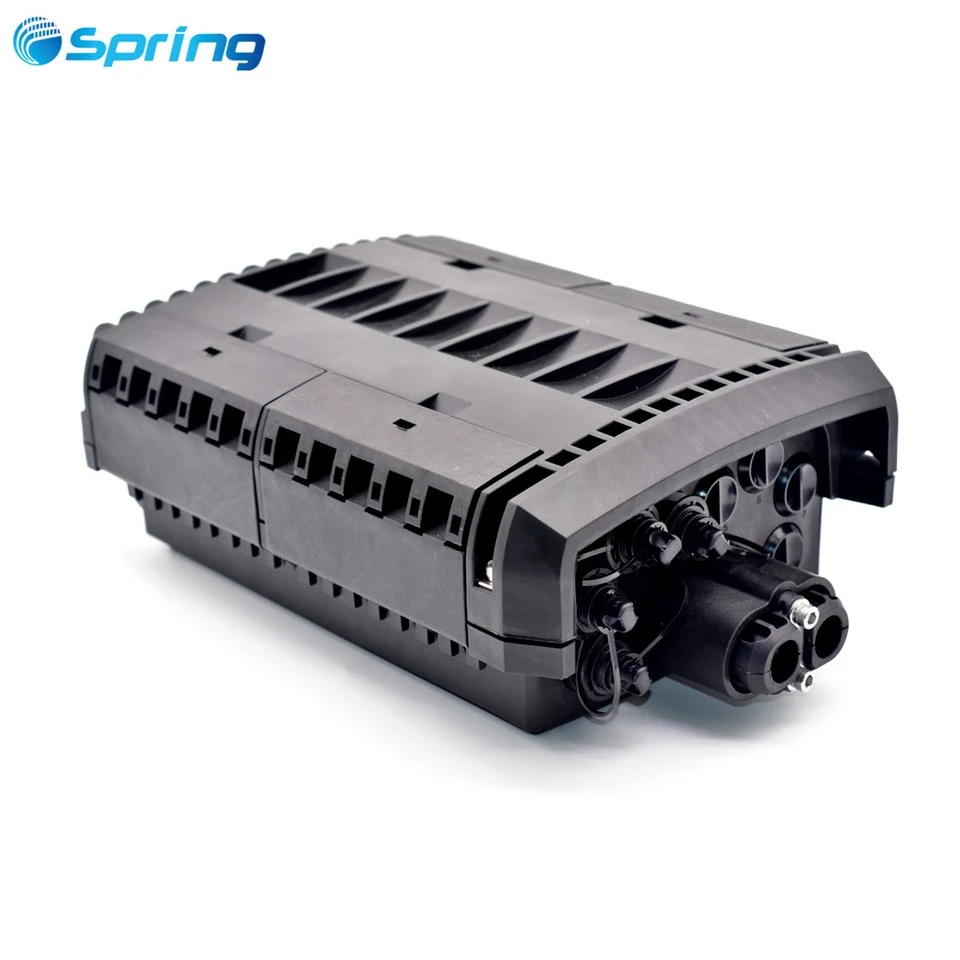
| FDT | Fiber Distribution Terminal | Small distribution unit suitable for street or building-level aggregation |
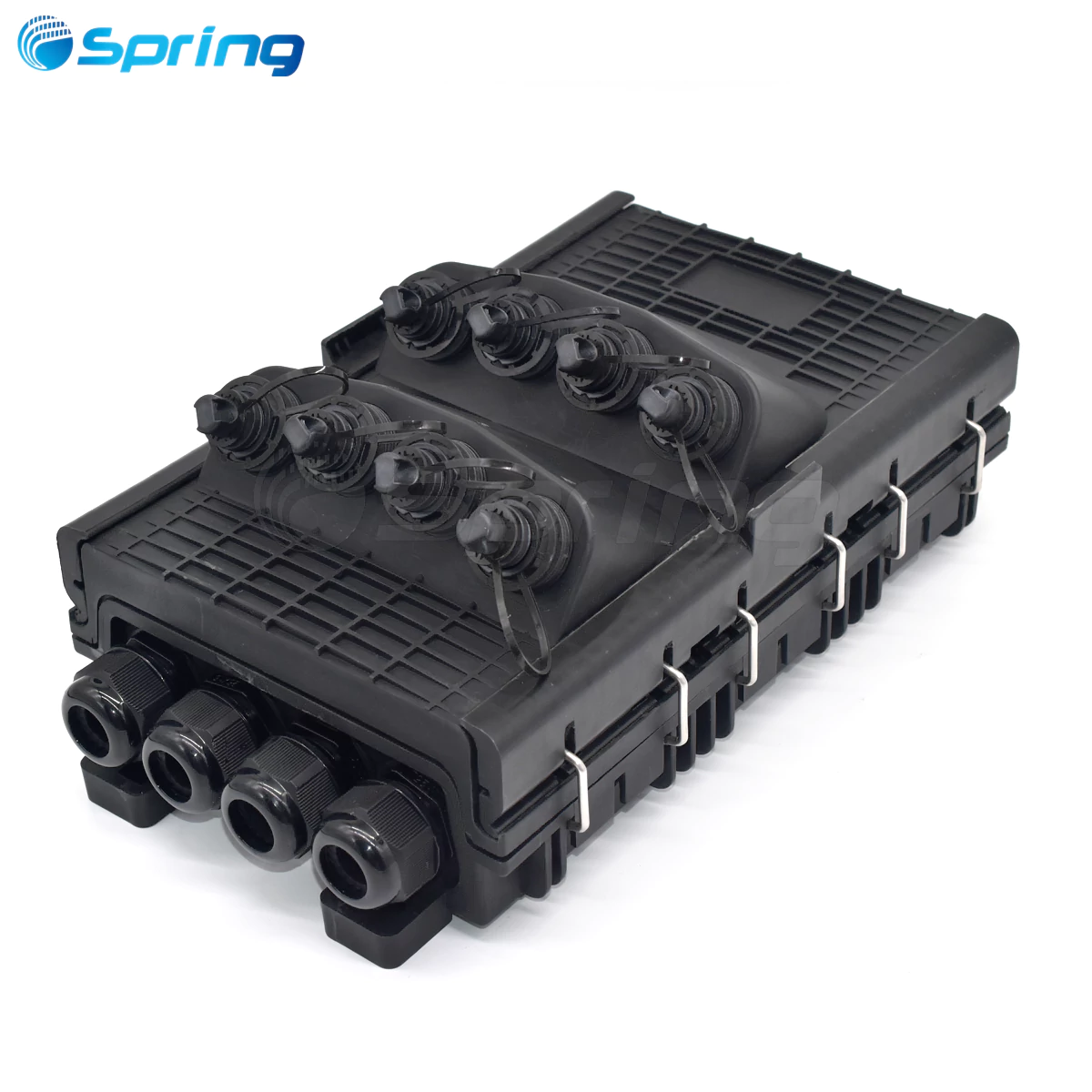
| FAT | Fiber Access Terminal | Primary distribution point in ODN; connects trunk and distribution fibers; often houses splitters |
| CDO | Central Distribution Optical Box | Similar function to FAT; commonly used in Europe and Latin America |
| NAP / ATB | Network Access Point / Access Terminal Box | Regional distribution point; receives signals from FAT/CDO and distributes to specific buildings or user clusters |
| SUB BOX | Subscriber Box / Subsidiary Box | Secondary distribution; located downstream of NAP/ATB; splits or distributes signals for individual buildings or units |
| MST | Multiport Service Terminal | Multi-port user distribution; commonly used in FTTH deployments |
| FTB / NID | Fiber Termination Box / Network Interface Device | User-side access point, typically installed outside the building; defines the boundary between operator and user responsibility |
| END BOX | Fiber End Box / Termination Box | Terminal node of ODN; directly connects drop fibers to single or few users |
| PTE / ROE | Punto Terminale di Edificio / Ripartitore Ottico di Edificio | Italian-specific terms for building-level port aggregation and branch distribution |
3. Customer-Premises Equipment
These devices are located inside the user premises and provide the final service interface.
| Abbreviation | Full Name | Function / Regional Naming |
|---|---|---|
| ONT | Optical Network Terminal | Residential or enterprise device converting optical signals to Ethernet, voice, and video |
| ONU | Optical Network Unit | Similar to ONT; sometimes serves multiple users |
| CTO / OTB | Customer Termination Optical Box / Optical Termination Box | User-side optical termination; the last optical interface before ONT/ONU |
| FTTR Master | Master ONU / Gateway | Manages communication with OLT and controls all slave devices in an FTTR network |
| FTTR Slave | Slave ONU / Satellite Unit | Installed in individual rooms; connected via fiber to master gateway for seamless Wi-Fi coverage |
4. Passive Optical Components and Fiber
These form the backbone of the ODN "highway" and require no power.
| Category | Term / Abbreviation | Description |
|---|---|---|
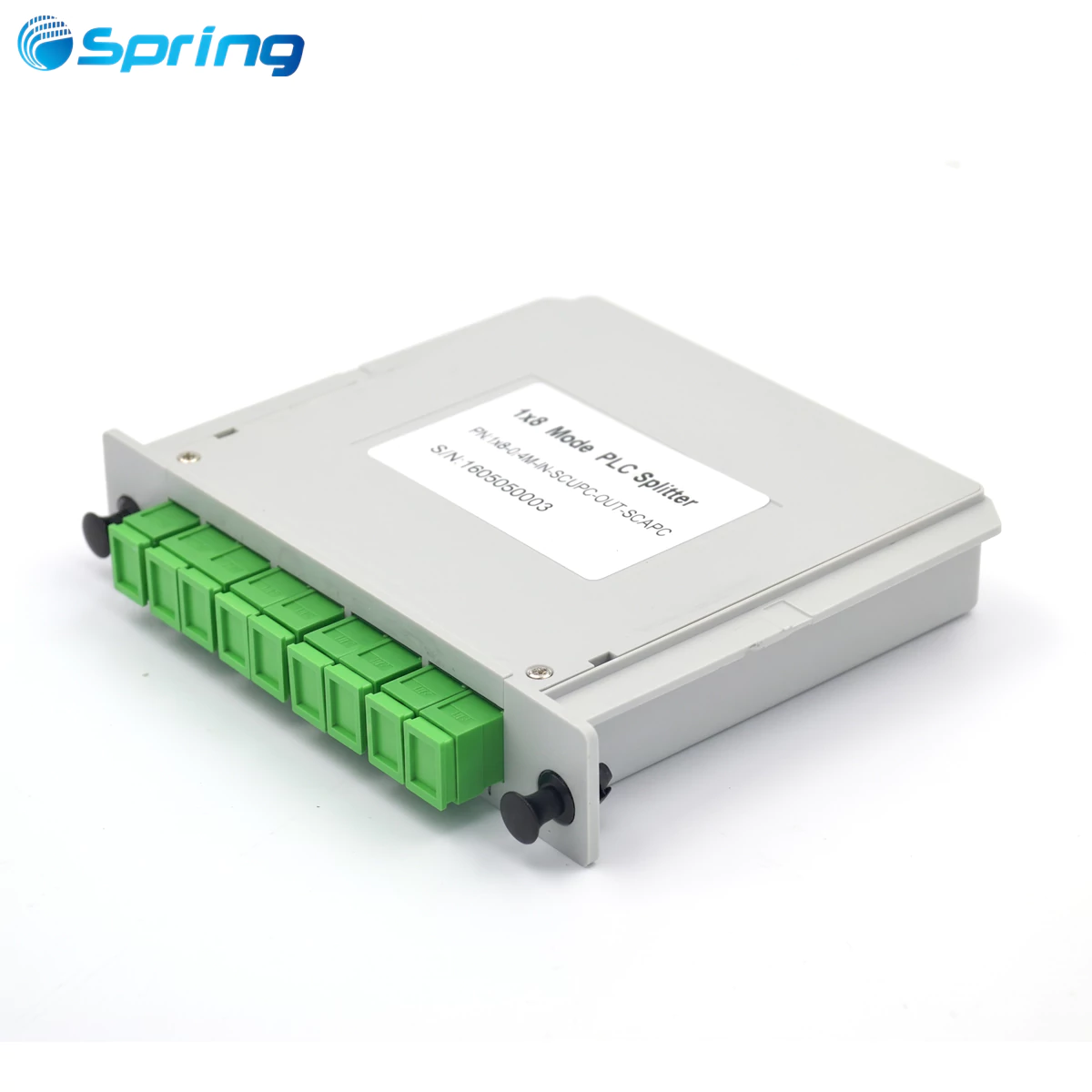
| Splitter | Splitter | Core passive component in PON; enables point-to-multipoint distribution |
| PLC | Planar Lightwave Circuit Splitter | Chip-based technology; uniform splitting, high reliability; mainstream choice |
| FBT | Fused Biconical Taper Splitter | Traditional, lower-cost technology for specific scenarios |
| WDM | Wavelength Division Multiplexer | Enables multiple signal wavelengths; used in high-density trunk or monitoring |
| Optical Tap | Optical Tap | Passive splitter for monitoring or signal extraction |
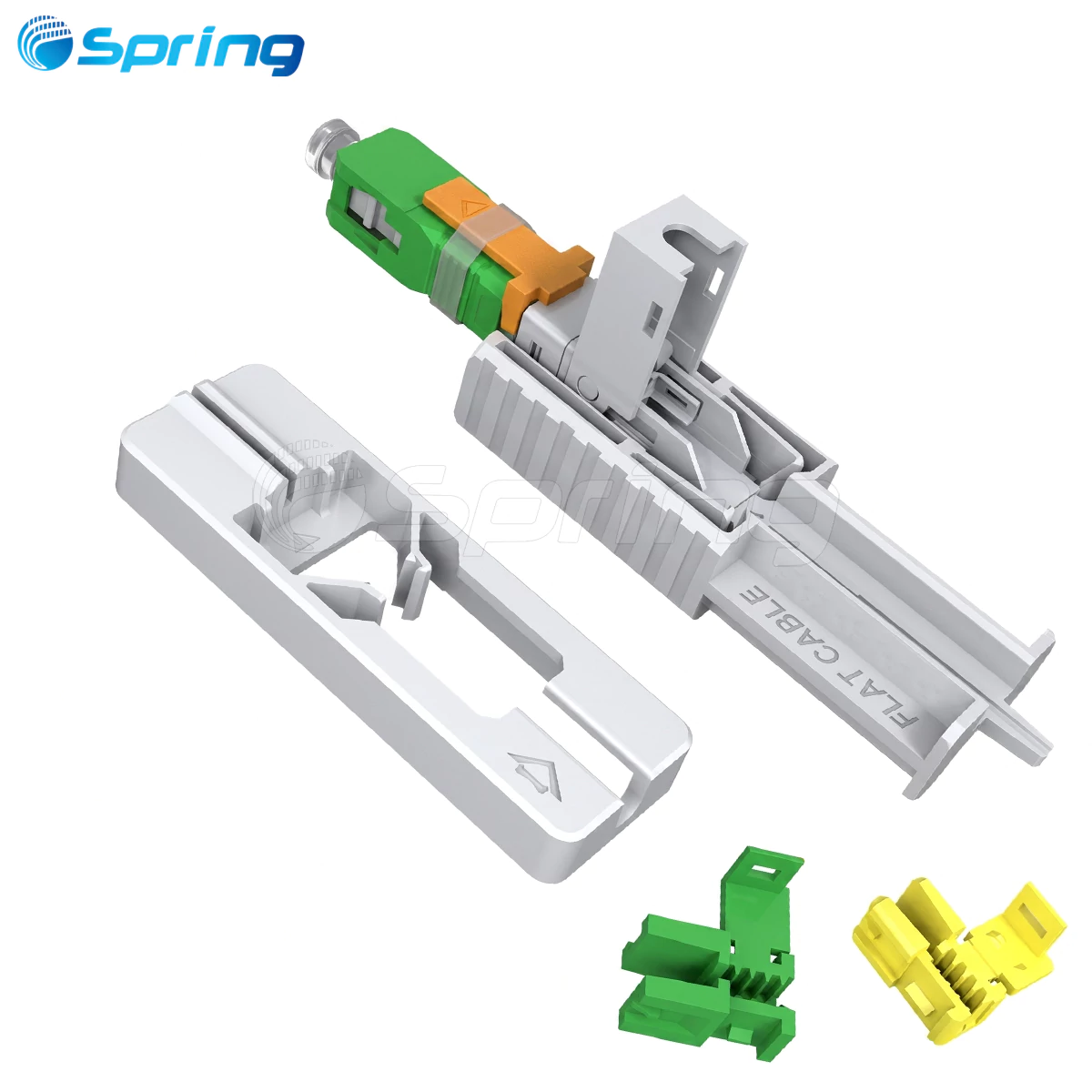
| Connector | SC/APC, LC/APC | APC (green) endface; low return loss; preferred in ODN |
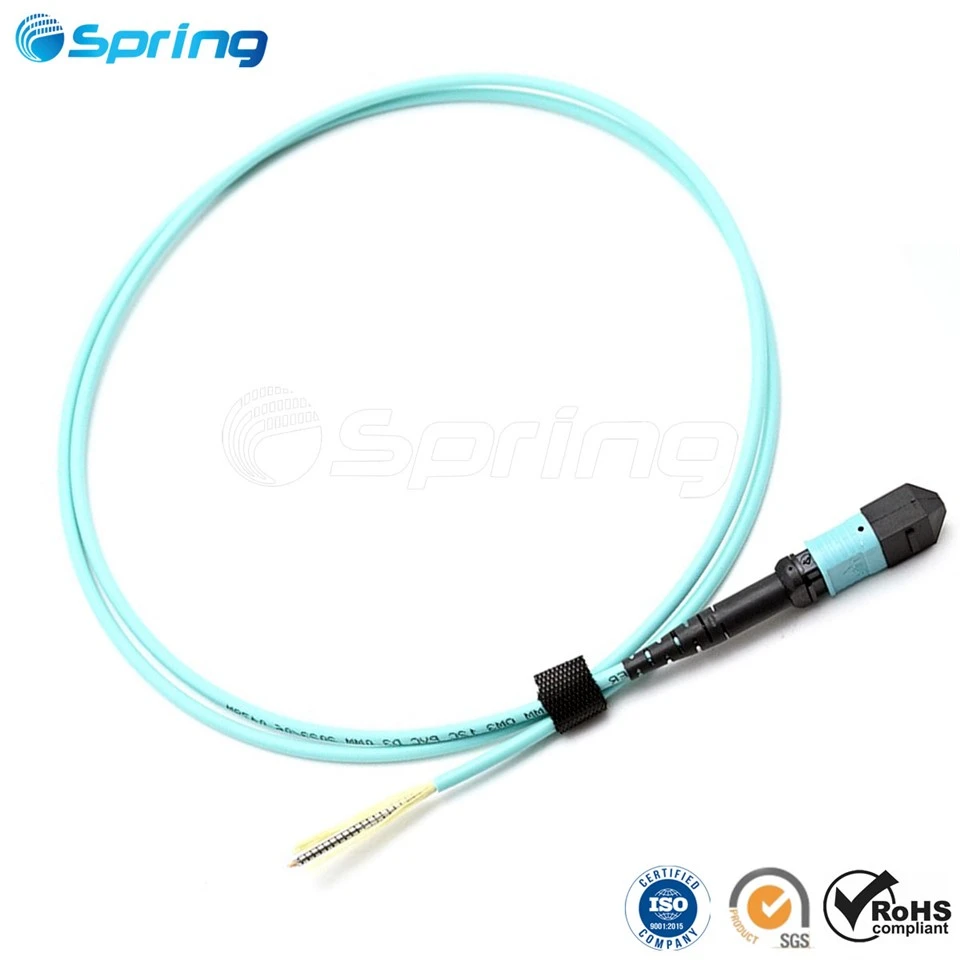
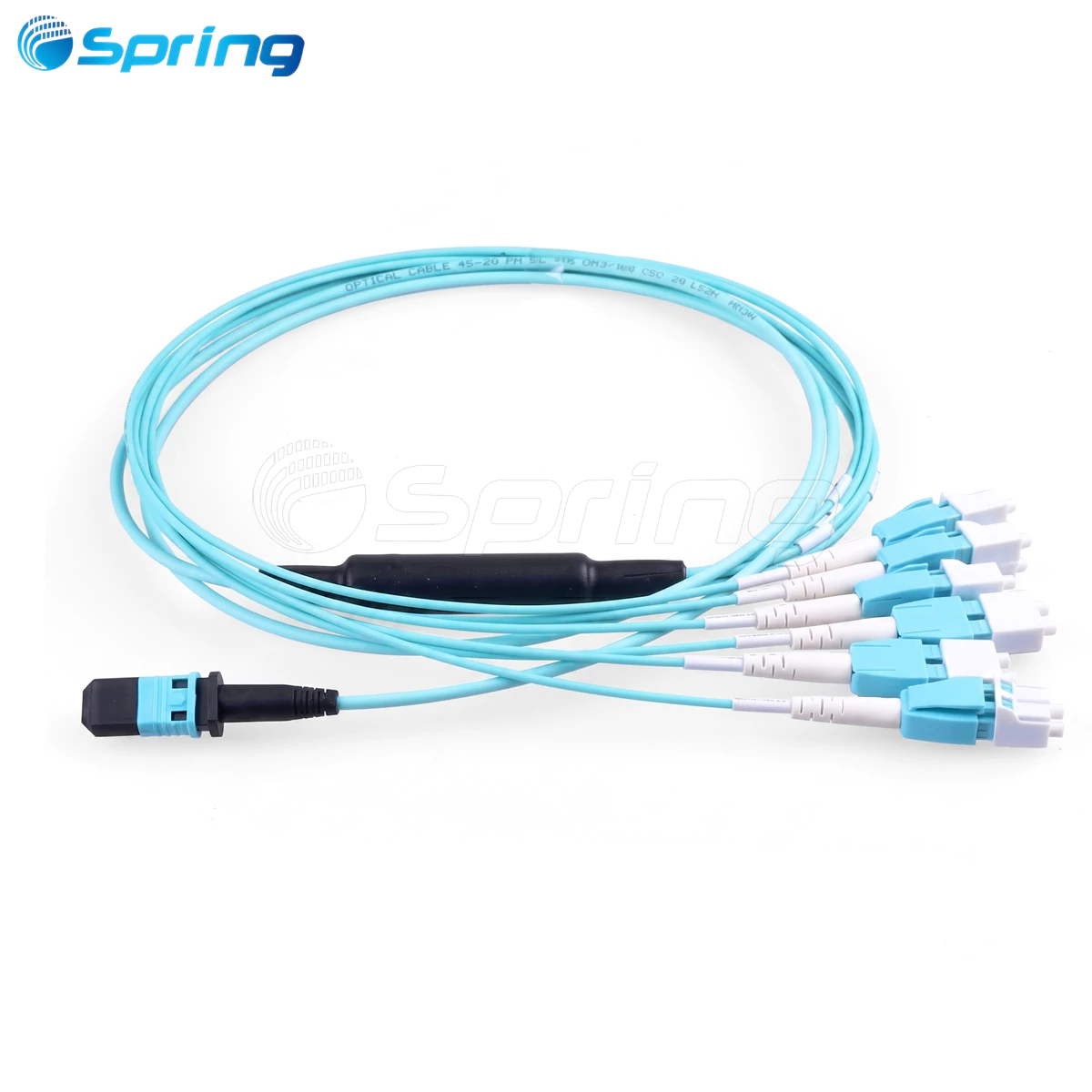
| MPO / MTP | Multi-Fiber Push On / Multi-fiber Termination Push-on | High-density, fast connection; often used in FDH/HUB and data centers |
| Cable | Preconnectorized Cable | Factory-terminated; plug-and-play; reduces on-site splicing |
| FDC / DBC / DAC | Feeder / Distribution / Drop Access Cable | Correspond to different segments from trunk to user in ODN |
5. Global Terminology Differences
Understanding regional naming is crucial for international projects and documentation.
| Node / Device | North America | Europe | Latin America / Spanish-Speaking | China / Asia | Italy |
|---|---|---|---|---|---|
| Primary Distribution | FAT / FDH | HUB BOX / ODH | HUB BOX / CDO | FAT / Fiber Distribution Box | ROE |
| Regional Distribution | NAP | Access Terminal Box | Caja de Acceso | NAP / ATB | PTE / ROE |
| Subscriber Box | SUB BOX | SUB BOX | Caja de Derivación | SUB BOX / Fiber Distribution Box | Scatola di Derivazione |
| Customer Interface Box | NID / FTB | FTB / NID | Caja de Terminación | END BOX / Termination Box | FTB / NID |
| Indoor Terminal Box | CTO / OTB | CTO / OTB | CTO / OTB | CTO / OTB / Fiber Panel | PTE |
| Optical Splitter | Splitter / PLC | Optical Splitter / PLC | Splitter | Optical Splitter / PLC | Splitter / PLC |
6. Complete Optical Signal Flow
The following flow illustrates the complete path of optical signals from the operator's central office to the end-user room and the devices involved:
Origin: OLT at the central office sends downstream optical signals.
Core Distribution: Signals pass through the ODF and enter FDB/FDH/HUB BOX for aggregation and primary routing.
Primary Distribution: Signals reach FAT (or CDO) via feeder fiber; first splitting occurs, marking the trunk-to-distribution transition.
Regional Distribution: Signals arrive at NAP / ATB via distribution fiber, allocated to specific neighborhoods or buildings.
Subscriber Distribution: Signals enter SUB BOX, splitting or assigning ports for individual buildings or units.
Customer Termination: Signals connect to FTB / NID (responsibility boundary) and terminate in END BOX / CTO / OTB.
Service Conversion: Users connect ONT/ONU to the END BOX to receive network services.
FTTR Extension: In FTTR networks, the master gateway distributes signals via indoor fiber to slave units in each room for full-house high-performance coverage.
Simplified Hierarchy:
OLT → ODF → FDH/HUB (Core) → FAT/CDO (Primary) → NAP/ATB (Regional) → SUB BOX (Building) → FTB/NID → END BOX/CTO (User-End) → ONT/ONU → [FTTR: Master Gateway → Slave Units]