

Author: CoCo coco@springoptic.com

What is an Optical Fiber Patch Cord/Patch Cable?
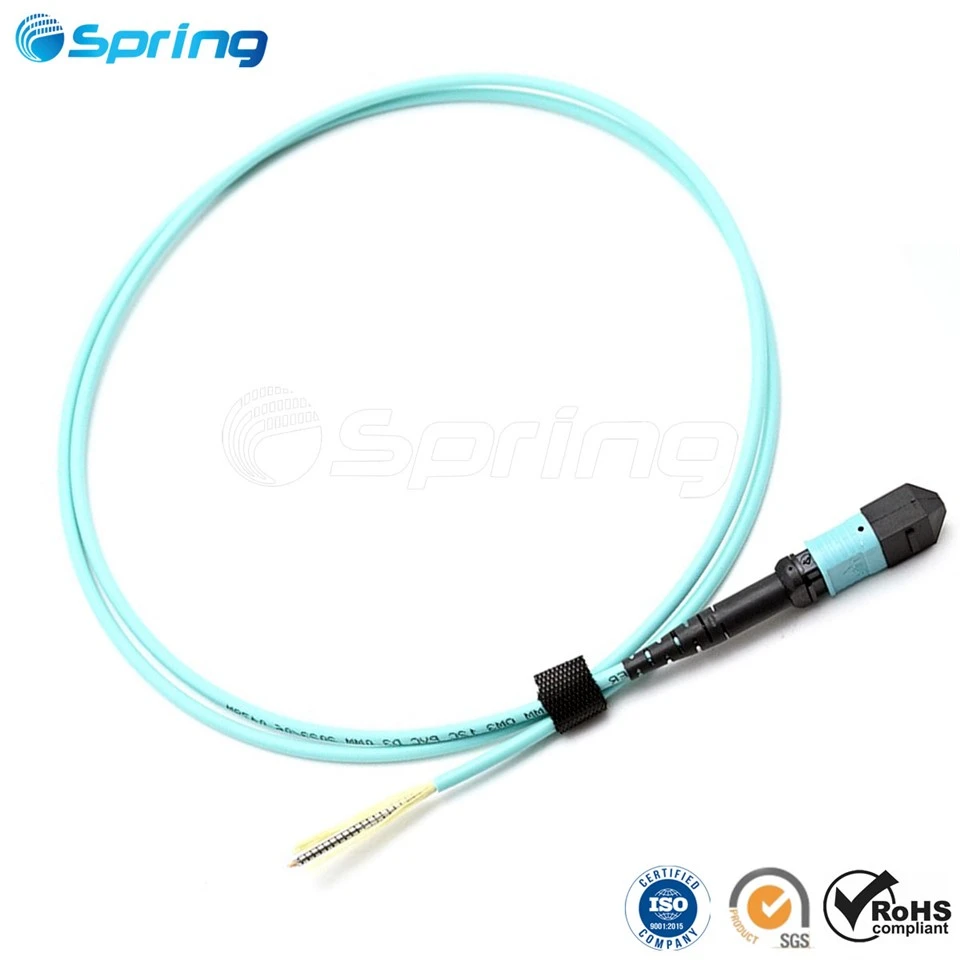
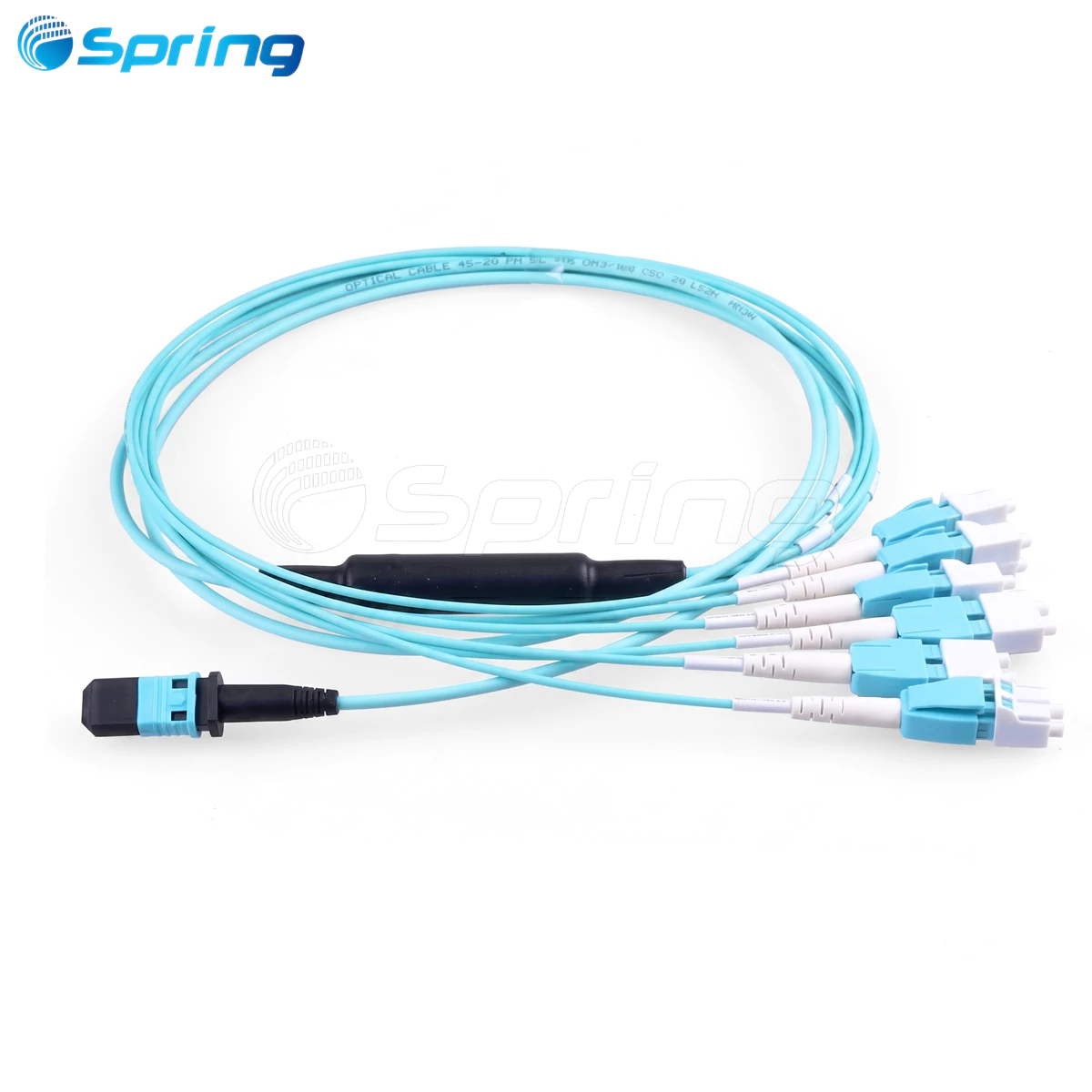
An optical Fiber Patch Cord, also known as a fiber jumper or patch cable, is a short section of fiber cable that is terminated with optical connectors on both ends. Its main purpose is to form a flexible, high-performance link between active equipment and optical networking devices such as patch panels, optical switches, and distribution frames. These cables are essential in the construction of data centers, server rooms, and telecommunication installations.
Types of Optical Fiber Patch Cable: Single-mode and Multi-mode
• Single-Mode Fiber (SMF) Patch Cables
Such cables have a relatively very small core diameter of typically 8-10µm in diameter. Through this feature, only one mode of light will propagate straight through the fiber, and thus, less attenuation and dispersion will occur. The single-mode patch cords are best suited for long distances of transmission as they are ideal for use in telecommunication networks, WANs, and CATV systems.
• Multi-Mode Fiber (MMF) Patch Cables
Such cables make use of a significantly larger core size, typically between 50µm and 62.5µm, which allows more than one mode of light to momentarily travel down the fiber simultaneously.
This feature makes it ideally suited for short-distance applications where high bandwidth is required. Multi-mode patch cords are designated as OM1, OM2, OM3, OM4, and OM5. Each generation has a better performance. They are widely used for LANs, data center interconnects, and within building campuses.
Selecting a Single-Mode vs. Multi-Mode Patch Cord
Your choice will depend on distance, needed bandwidth, and of course, costs:
• Single-mode fiber is recommended for high-speed, long-distance applications where it is important to keep signal loss to a minimum.
• Multi-mode fiber is preferred for cost-effectively used high-bandwidth applications where shorter distances, mainly within a building or data center racks, are involved.


The Production Process for Optical Fiber Optic Patch Cables
Manufacturing quality optical fiber optic patch cables is a precision endeavor involving a controlled environment, specialized equipment, and stringent quality control measures to ensure the resulting cables will have low insertion loss and a high performance rating:
Step 1: Fiber Patch Cable Material Preparation and Inspection
This process starts with the selection of raw material that is quality-rated.
• Cables: Fiber optic cables (simplex, duplex, multi-fiber) are cut to specified lengths.
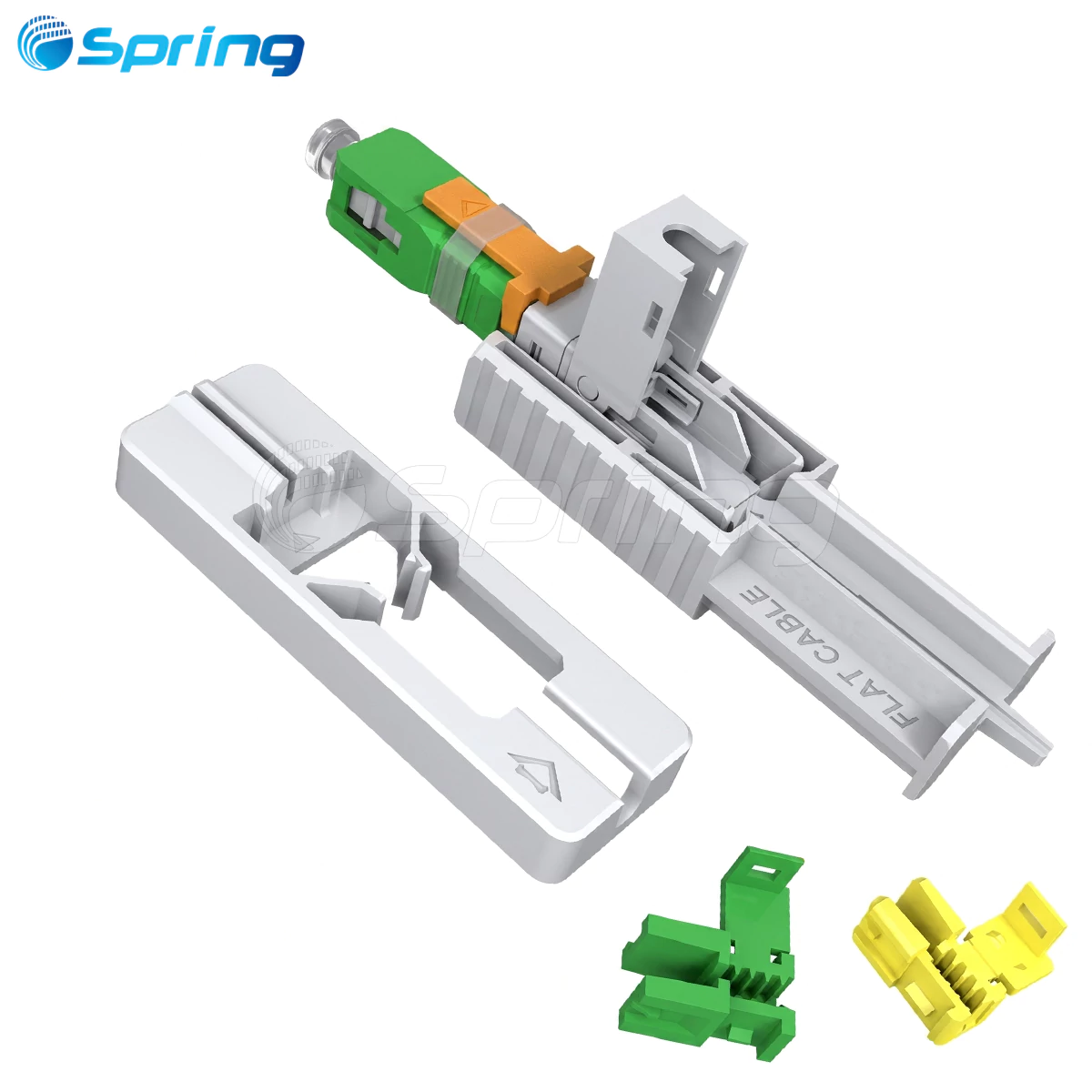
• Connectors: The connectors (LC, SC, ST, MTP/MPO) are preselected.
• Inspection: The components, particularly the ceramic ferrules, are 100% pre-inspected with a high-power microscope for defects and contamination.
Step 2: Cable Preparation and Fiber Stripping
• The outer jacket is carefully stripped with a specialized tool to expose the internal components without nicking the fiber cables.
• The aramid yarn (Kevlar®) strength members are cut to the proper length.
• The protective buffer coating around the glass fiber is stripped free using a special tool, exposing the bare glass cladding.
Step 3: Fiber Cleavage
With great care, the exposed bare fiber is cleaved with an automatic fiber cleaver. This vital operation ensures that a perfectly flat and smooth endface, at right angles to the fiber axis, is obtained, thus ensuring a good connection.
Step 4: Connector Assembly and Glue Application
• Epoxy Injection: A measured quantity of epoxy (heat-cure or UV-cure) is injected into the ferrule of the connector.
• Fiber Insertion: The cleaved fiber is carefully inserted into the connector body and ferrule until properly seated.
• Crimping: A crimp sleeve is crimped over the aramid yarn and cable jacketing, thus giving sufficient mechanical strain relief.
Step 5: Curing Process
The assembled connector is placed in a curing oven (for heat cure) or under a UV lamp (for UV cure) for a specified time. This operation cures the epoxy and thus forms a permanent bond, fixing the fiber in the ferrule.
Step 6: Polishing Of The Fiber Connector - The Vital Quality Operation
This is the most important operation to ensure low insertion loss and high return loss. The polisher's end face is shaped with finer and finer grade abrasive.
• Polishing stages: Rough grinding, fine polishing, and final ultrafine polishing.
• Polish Types: The type of polish defines the performance grade of the connector.
PC (Physical Contact): A slight dome.
UPC (Ultra Physical Contact): A larger dome giving better return loss.
APC (Angled Physical Contact): A surface at 8 degrees giving the lowest back reflection possible.
Step 7: Final Inspections and Performance Testing
Each patch cord undergoes rigid final quality control inspections.
• Visual Inspections: The face of the connector is inspected at 200x or 400x magnification; any scratches, pits, or contamination should be visible.
• Insertion Loss (IL) Testing: Employing an optical power meter and light source, total signal loss through the cable is measured. High-quality specifications require very low loss (e.g. <0.3 dB for single-mode).
• Return Loss (RL) Testing: A measure of reflected light is obtained via this test; it is particularly important for UPC and APC connectors. Return loss of APC connectors is required to have a very high return loss (e.g. > 65 dB).
Step 8: Labeling, Packaging, and Shipping
• Cables that have passed all testing are labeled with cri
tical specifications (type, length, etc).
• Both connectors should be provided with protective dust caps.
• The fiber optic patch cords should be packaged for shipping.
Important Considerations for Excellence in Manufacturing:
• A cleanroom environment: Polishing and inspection are performed in a controlled clean environment without any potential for contamination.
• Quality Control: 100% testing assures the patch cords produced meet or exceed industry specifications (TIA/EIA, IEC).

Spring Optical is the largest optical fiber patch cord manufacturer in Shenzhen, China. If you need customized patch cords, feel free to reach out to our sales manager for a quick quote!
Key Standards for Optical Fiber Patch Cords & Testing
TIA-568.3-E
• Scope: North American standard for fiber cabling & components. This standard defines performance characteristics (e.g., size, insertion loss, return loss, etc.) for patch cords and connectors.
•TIA-568.3-D Details (Check for "-E" version to see if latest standard)
IEC 61753-1 & 021-2
• Scope: Performance grades for various types of fiber optic devices under various conditions. Part 021-2 deals with the test methods for C-type connectors (e.g., LC, SC)
•IEC 61753-1 Details
IEC 61300-3-34
• Scope: Standard test method for measuring insertion loss in fiber connectors.
• IEC 61300-3-34 Details
ISO/IEC 11801
• Scope: International generic cabling standard. This defines channel performance for OM1-OM5, OS1-OS2 fibers.
• ISO/IEC 11801 Details