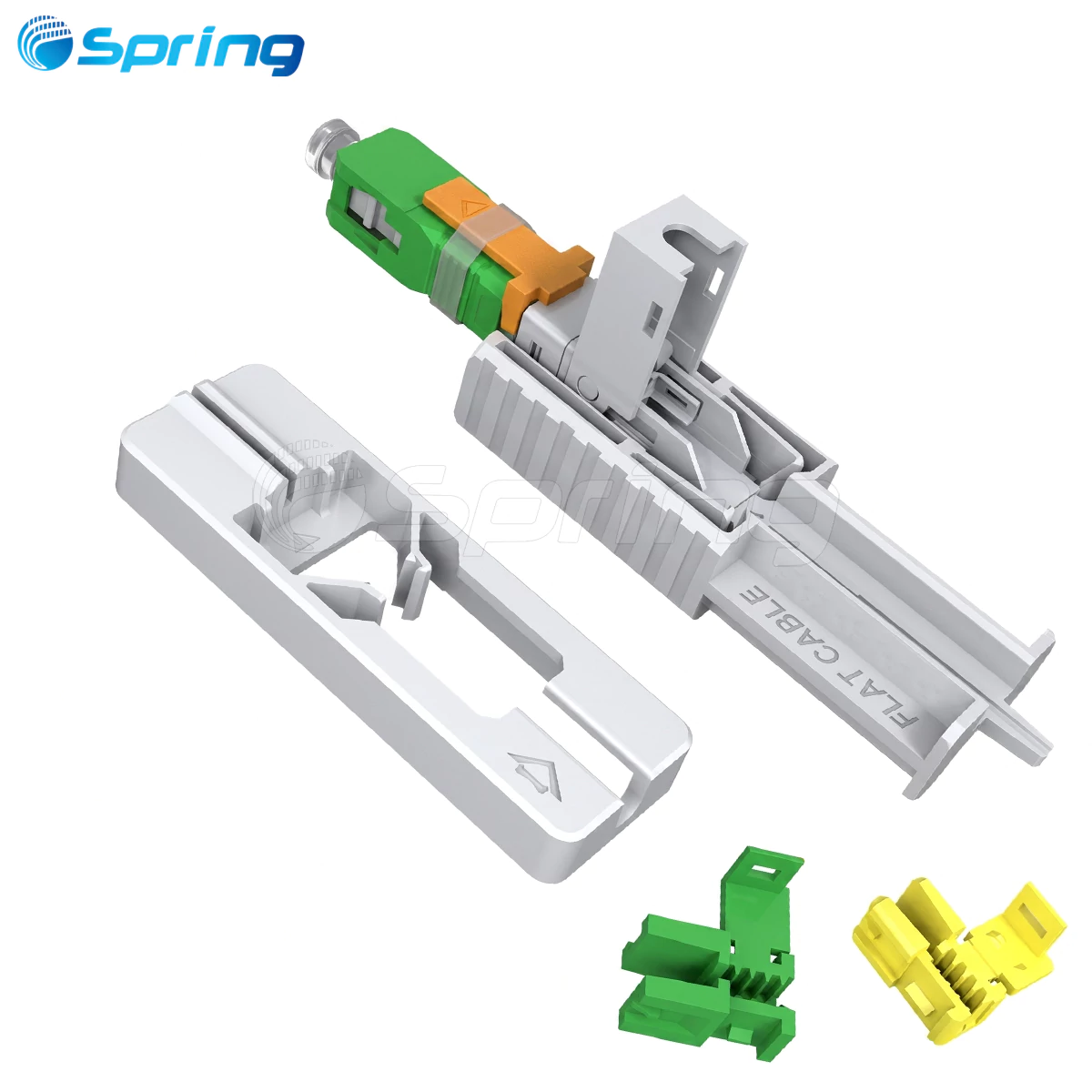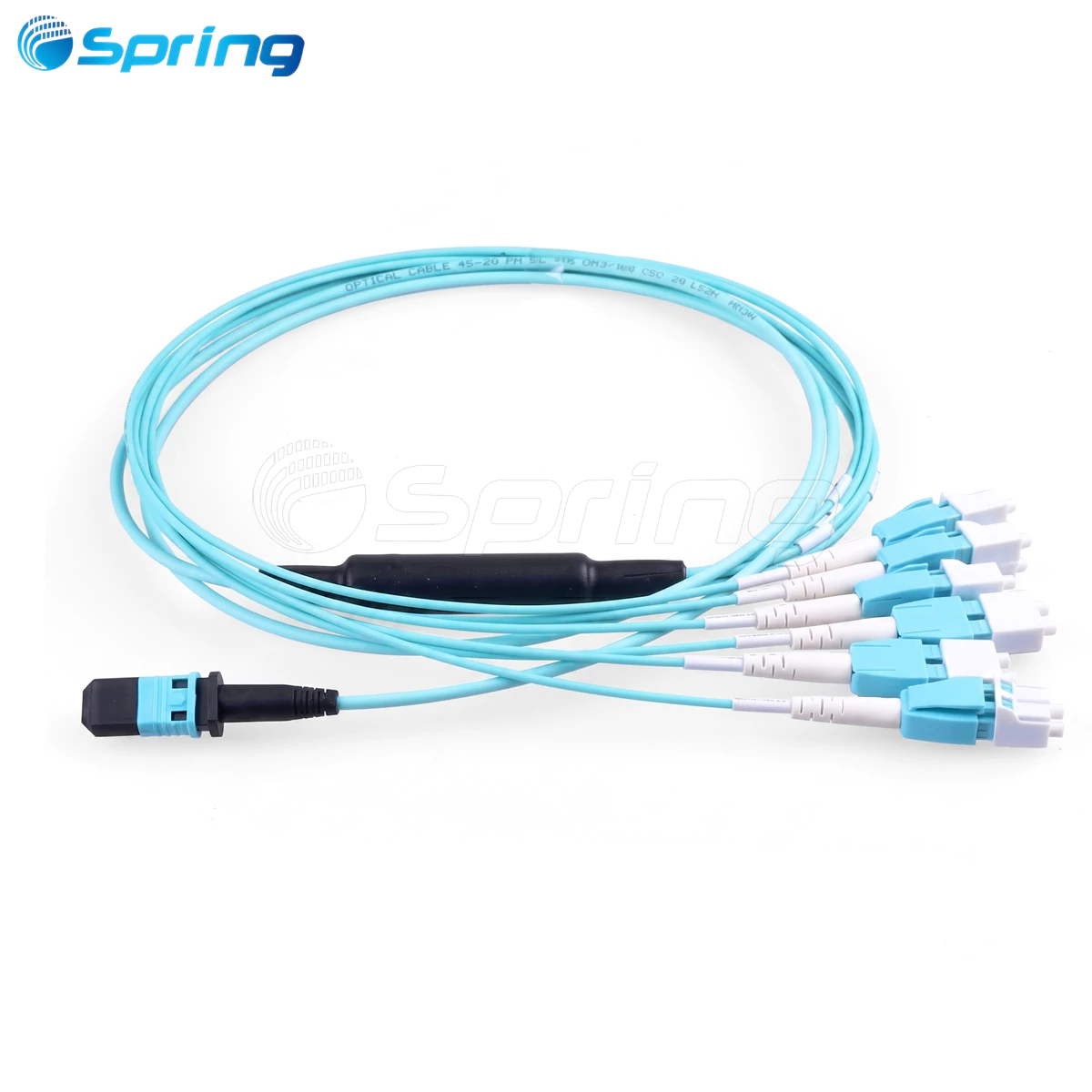


Fiber patch cords, otherwise known as fiber optic jumpers or fiber optic patch cables, connect network equipment and transmit data using light signals over fiber optic strands. In this in-depth examination, we classify fiber patch cords based on fiber core type, connector modality, application scenarios, and strand count.
Fiber Core Type
1. Single-Mode Fiber Patch Cords
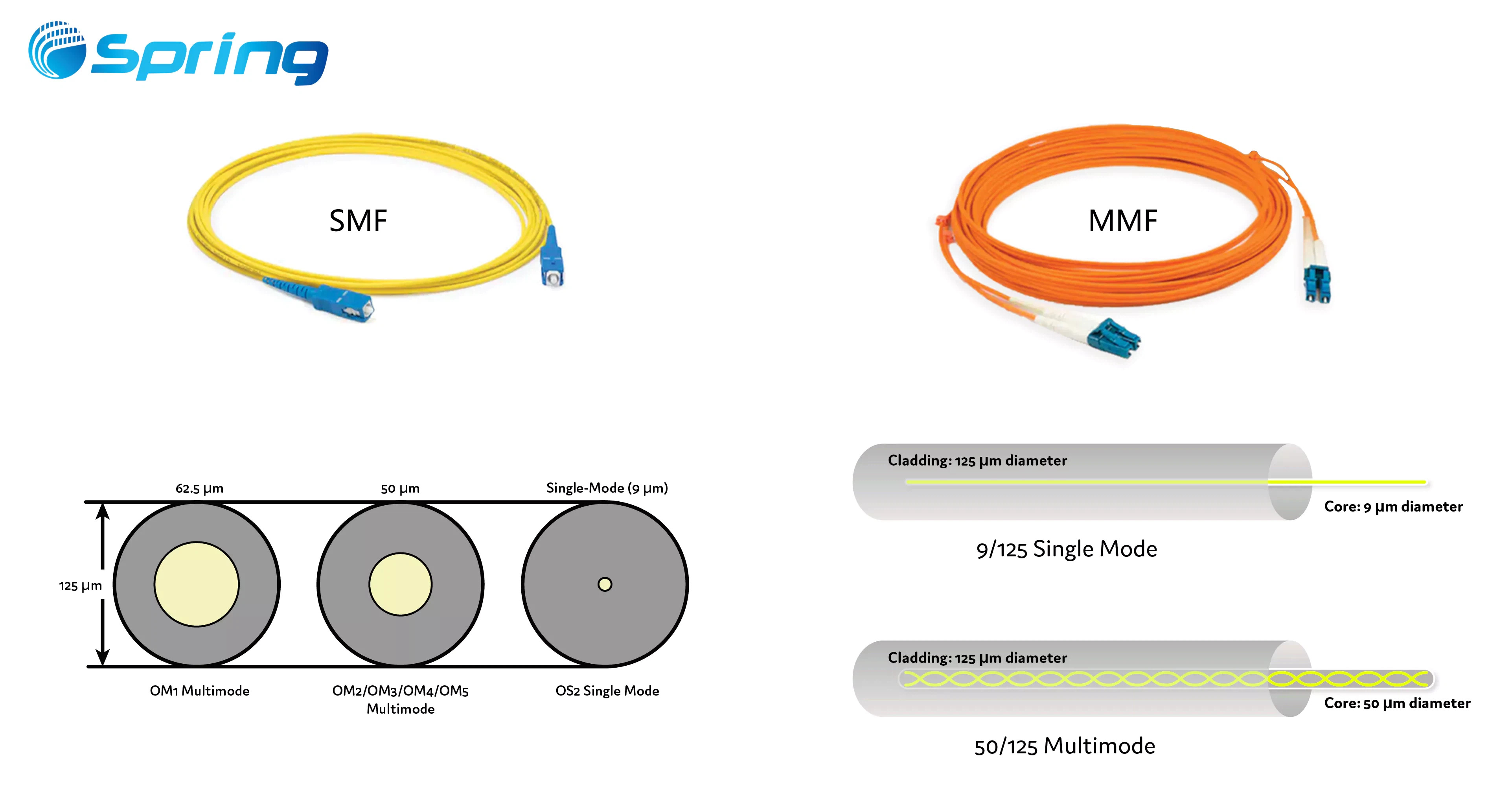
The core diameter is 9μm for single-mode fiber patch cords and supports only a single light propagation path. Due to this, light travels strictly along the fiber axis, and thus, there is essentially no dispersion and minimum energy loss. Usually, the single-mode fiber patch cord can be a yellow cable, often used for long-distance signal transmission and network connection in telecommunication. They are great for applications that involve long-distance, high-speed, high-bandwidth, with low-loss signal transmission. Due to this characteristic, single-mode fibers are pervasive in communication (including telephone and cable television), high-speed metropolitan area networks (MANs), compound and broadband networks, and networks that are capable of supporting high-speed video, data, and voice.
2. Multimode Fiber Patch Cords
Multimode fibers, as the name suggests, are a type of optical fiber that allows multiple modes of light signals to move through the core at the same time. Multimode fibers have a core diameter of 50μm or 62.5μm, which transmits different light modes. The variability of how each mode travels along different paths and speeds creates a high level of modal dispersion, which limits the amount of bandwidth and distance. Multimode fiber operates primarily in 850nm or 1310nm wavelengths and tends to couple more easily with optical devices. Therefore, multimode fiber does not transmit further than a few kilometers. In addition, multimode fibers are less expensive with acceptable performance and enough bandwidth in slower data rates, which makes them favorable for market share in short distances, such as communication within data centres. There are different types of multimode fibers: OM1, OM2, OM3, OM4, and OM5 with different bands and distances. In terms of measurable physical parameters, multimode fibers have core diameters between 50μm and 65μm, whereas single-mode fibers are a small range at sizes of approximately 8μm to approximately 10μm core diameter. The cladding is a lower refractive index glass that surrounds the core and usually keeps light confined. The physical jacket is a very thin polymer jacket that is designed to protect against physical damage from external forces.
Classification by Connector Type

1. FC Fiber Patch Cords
FC (Ferrule Connector) fiber patch cords are designed with a metal ferrule for added reinforcement and use a screw-on locking mechanism to ensure a secure, stable connection. Developed by NTT for single-mode telecommunications, the FC connector combines a threaded coupling with a keyed design, offering excellent repeatability and effective protection for the fiber end-face. Thanks to their robust construction and outstanding dustproof performance, FC fiber patch cords are widely used in telecommunications networks and optical distribution frames (ODFs).
2. SC Fiber Patch Cords
SC (Subscriber Connector) fiber patch cords feature a rectangular push-pull design that enables quick, user-friendly, and tool-free installation. Originally developed by NTT for telecommunications applications, the SC connector uses a push-pull coupling mechanism that eliminates rotational stress on the fiber end-face, helping to protect the connection and improve durability. Its design includes a precision-aligned ceramic ferrule and an isolating sleeve to shield the ferrule and fiber from cable stress. SC connectors also support duplex adapters and are available in quad and six-pack configurations to maximize port density. Because of their simple and reliable design, SC fiber patch cords are commonly used to connect routers, switches, and GBIC modules.
3. ST Fiber Patch Cords
ST (Straight Tip) fiber patch cords feature a bayonet-style locking mechanism and an exposed ferrule design. Developed by AT&T, the ST connector was the dominant standard in the late 1980s and early 1990s and remains one of the most widely used fiber connectors in networking applications. It has a cylindrical shape with a twist-lock coupling and a 2.5mm keyed ceramic ferrule. The ST connector uses a spring-loaded design with a long, cylindrical ferrule to secure the fiber, making it important to ensure the connector is properly seated. If high loss is observed, reconnecting often helps. ST fiber patch cords are typically found in legacy network systems and fiber patch panels.
4. LC Fiber Patch Cords
LC fiber optic patch cords feature a miniature design with 1.25mm ferrules, meaning they are smaller in size but still suitable for use in high-density cabling environments. As a Small Form Factor (SFF) connector, the development of the LC was designed to achieve the same reliable ceramic ferrule technology as larger connectors in a compact size. It's a near miracle that something so small can still produce such big results! Known for excellent performance, LC jacks are used widely in single-mode and multi-mode applications and are especially favored by equipment manufacturers for their space-saving design as well as offering reliable performance. LC fiber optic jumper cords are especially popular for connecting SFP transceivers, routers, and servers within data centers.

5. MPO/MTP Fiber Patch Cords
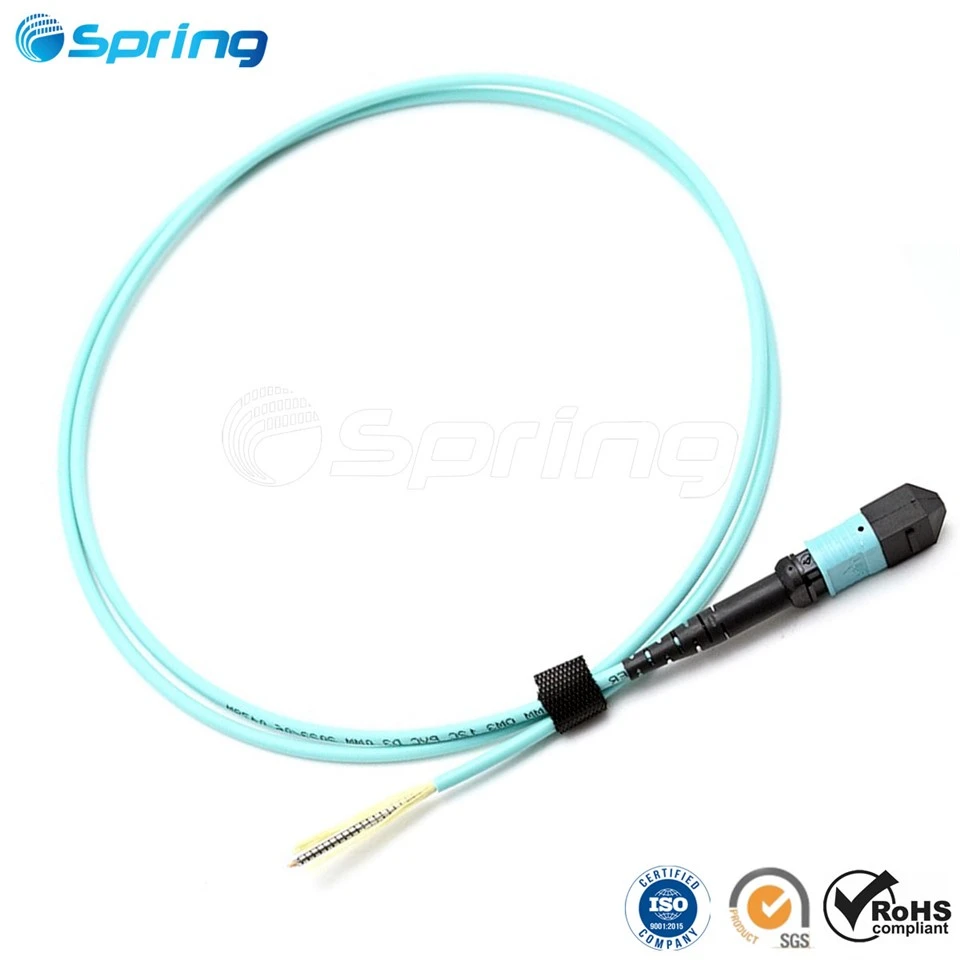
MPO/MTP patch cords with a multi-fiber design can allow up to 24 fibers in one connector and were designed specifically for high-density backbone networks or applications like 40G/100G Ethernet. Two International standards define the MPO (Multi-Fiber Push-On) connector, including IEC-61754-7 and FOCIS 5 in the United States. MTP is a high-performance MPO connector developed and trademarked by US Conec, which meets both FOCIS 5 and IEC-61754-7 standards. Although MTP is in essence an MPO connector, it incorporates some design improvements that improve performance and reliability. MPO/MTP connectors, designed specifically for multi-fiber ribbon cables, provide quick assembly to make installation easier and more efficient than ever. This makes them the preferred choice for today's high-speed network infrastructure.
6. LX.5 Fiber Patch Cords
LX.5 fiber patch cords are among the most reliable miniature fiber connectors in the industry, designed to double fiber density by allowing two fibers to fit into a standard SC adapter space. Built with 1.25mm ferrule technology, LX.5 connectors offer carrier-grade reliability, high optical performance, and integrated metal shutters for dust and laser protection. They support simplex or duplex configurations while maintaining individual circuit access and preventing ferrule contamination. Featuring an intuitive push-pull locking mechanism and a user-friendly design that avoids cable snags, LX.5 connectors are ideal for high-power networks, LANs, and telecom applications, fully compliant with IEC 61754-23 and TIA 604-13 standards.


7. SMA High-Power Fiber Patch Cords
SMA High-Power Fiber Patch Cords. These SMA high-power fiber patch cords consist of durable stainless steel housing and a robust metallic or ceramic ferrule system, providing superb heat dissipation as well as their own stability under high optical power circumstances. Supporting larger core fibers of 125 µm to 1100 µm, these patch cords can be found in multimode or single-mode versions, with or without an armor jacket, and they can be anything from 2mm up to 3mm in diameter for the cable. SMA connectors are available in standard spring-loaded SMA (with aramid crimp ring) and HPSMA types (without aramid crimp ring), even allowing the design of slotted or non-slotted lens tips to request on end. Ideal for industrial, medical, laser, optical, and military-grade systems, SMA patch cords ensure reliable, high-power fiber optic transmission.
8. MTRJ fiber patch cords
MTRJ fiber patch cords are a small and inexpensive solution for high-density fiber optic systems. The MTRJ connector, with dual fiber capability and two fibers in one mount, makes cable management simpler and economizes on space used. Standardized under FOCIS 12 (EIA/TIA-604-12), they have a ferrule 2.45 × 4.4mm and can be pushed in and pulled out for easy installation. Suitable for data centers, enterprise LANs, and telecommunications networks, MTRJ patch cords are ideal products with practical performance in light spaces--embedded with the customer's demand for high-performance yet inexpensive solutions.


9. MU fiber patch cords
The MU connector is a miniature version of the SC connector, with a 1.25mm ferrule. It uses a push-pull mechanism for insertion and extraction, and two channels are built into the treadle-line hole wall beneath the lens barrel in the space of one SC connector. Developed by NTT, it is widely used in high-speed data communication and voice networks, telecommunications, DWDM systems, and. is very popular in Japan. It features a precision body and free-floating ferrule for high-quality connection. Available in both single-mode and multimode, the MU connector employs a tunable zirconia ceramic ferrule and meets NTT and JIS standards for reliable performance.
Classification by Application Scenario
1. Armored Fiber Patch Cords
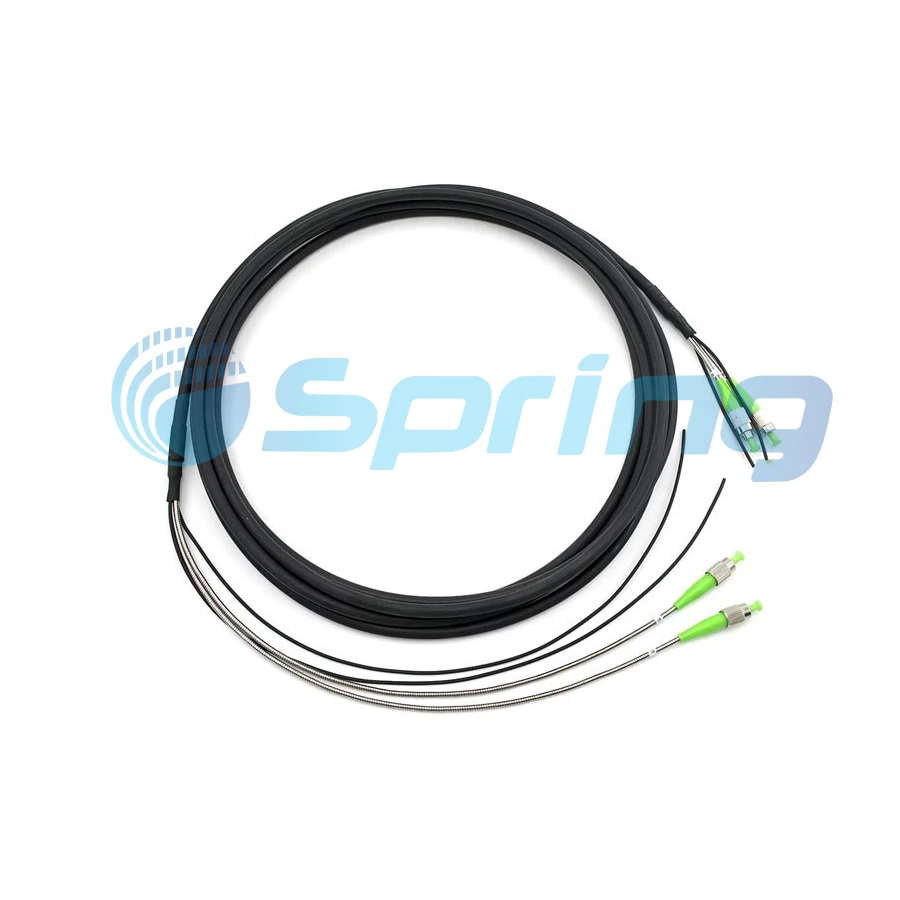
Armored fiber patch cords, with metal tube (or wire) armor layer, armored fiber patch cords offer effective protection against crushing, moisture, and corrosion. Therefore, it is especially suited for industrial control systems, outdoor construction sites, and other places where standard fiber cables might not stand up to tough conditions.
2. Drop Cable Patch Cords
Drop cable patch cords are specially designed to connect outdoor fiber networks to indoor environments, making them perfect for FTTH (Fiber to the Home) installations and building entry points. Built with strong tensile strength, they ensure reliable performance and easy handling during installation, even in demanding conditions.


3. FTTA Fiber Patch Cords
FTTA Fiber Patch Cords (GYFJH), lightweight and flexible, are designed to meet the demands of outdoor environments. They are ideal for FTTA deployments (Fiber to the antenna) because they offer enhanced weather resistance and ruggedness.
4. ODC fiber patch cords
ODC fiber patch cords As ruggedized, water and dust--proof connectors are incorporated in ODC fiber patch cords seem a perfect fit for even the most challenging outdoor environments. They are enduring even in adverse weather conditions and are used throughout emergency systems, outdoor wireless base stations, and military networks. This means that wherever the most important fibre connections must be made remain safe and stable.


5. Automatic SC/APC Shutter Fiber Patch Cords
Automatic SC/APC shutter fiber patch cords come with a built-in dustproof shutter that automatically closes to protect the connector when not in use. This smart design helps minimize contamination and optical loss, making them ideal for high-end optical networks like data centers and 5G backbone links, where maintaining connector cleanliness is critical for peak performance.
Classification by Fiber Count
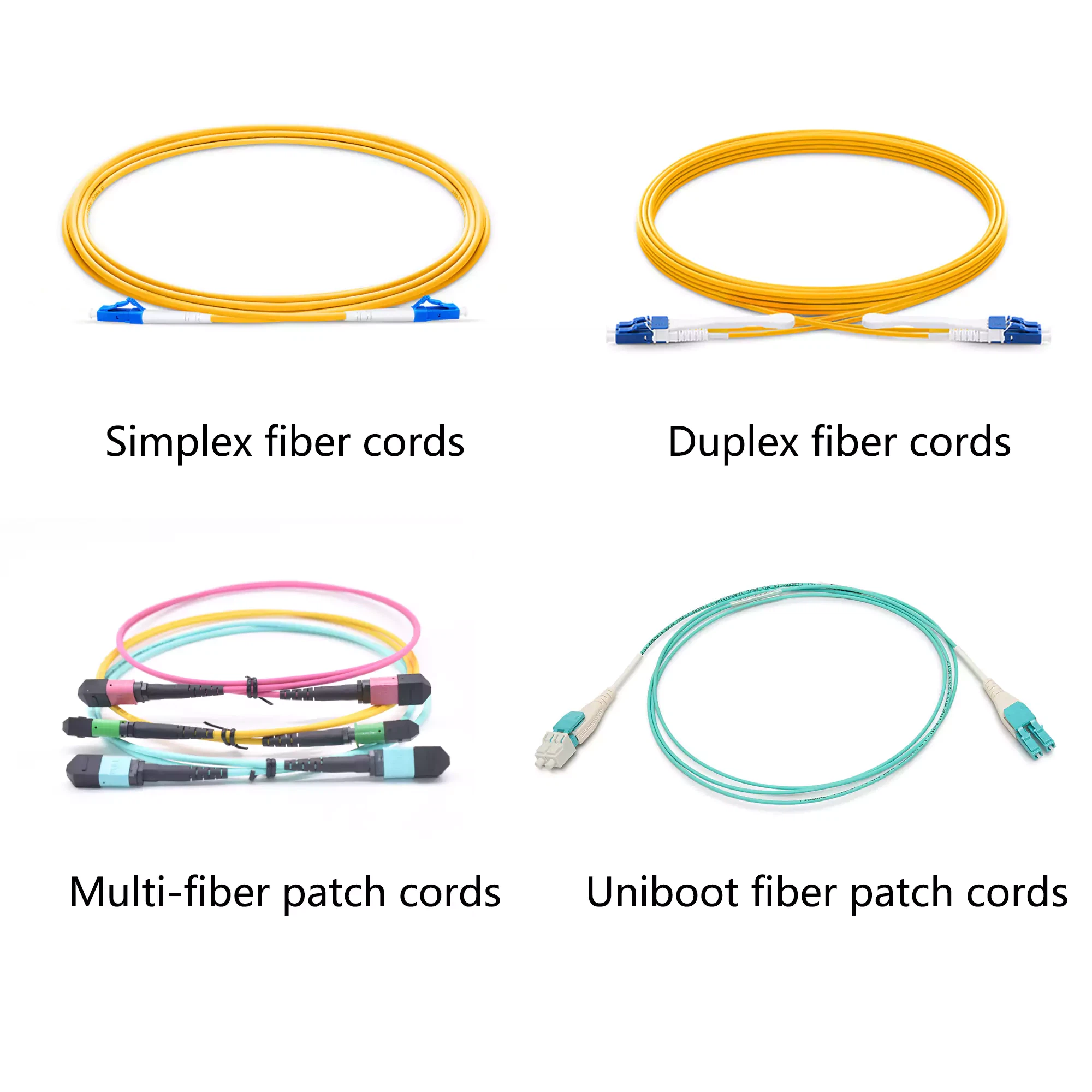
1. Simplex fiber cords and Duplex fiber cords
Simplex fiber cords: Used for simplex transmission (one-way communication).
Duplex fiber cords: Used for duplex transmission (two-way communication).
2. Multi-fiber patch cords
Examples: Patch cords in 4-, 8th, 12, or 24-fiber configurations
Applications: Well-suited for high-bandwidth environments such as hyperscale data centers, cloud service provider infrastructures, or enterprise backbones.
3. Uniboot fiber patch cords
Uniboot fiber patch cords combine two fibers into a single jacket, significantly reducing cable bulk and improving airflow in high-density environments like data centers. These patch cords are ideal for applications that demand efficient space usage, organized cable management, and high-speed connectivity
Fiber Patch Cord End-Face Preparation

Patch cords are polished with different end-face types to optimize signal transmission:
PC (Physical Contact): Standard polishing for general applications.
UPC (Ultra Physical Contact): Better return loss than PC; common for modern networks.
APC (Angled Physical Contact): 8° angled end-face, achieving the best return loss; widely used in long-haul and high-speed single-mode applications.
How to Choose the Right Fiber Patch Cord
Choosing the right fiber patch cord depends on multiple factors:
Fiber Type:
Long-distance, outdoor, high-speed? → Single-mode fiber.
Short-distance, intra-building? → Multimode fiber.
Connector Type:
Check your equipment port type (LC, SC, MPO, etc.).
Application Scenario:
Harsh environment? → Armored or ODC patch cords.
Indoor data center? → Uniboot or high-density MPO/MTP.
Polishing Method:
Sensitive applications? Prefer APC for the lowest back reflection.
Fiber Count:
Simple connection? → Single or dual fiber.
High-density network? → MPO 12/24 fiber patch cords.
Usage Guideline of Fiber Patch Cord
★ Remember: Wipe the ceramic ferrule and the connector end face with alcohol and lint-free wipes before use.
★The minimum bend radius for fiber optics is 20mm, which, if not followed, will lead to performance degradation.
★When the connectors are inserted in the patch panel, make sure to keep the dust caps on.
★Fibre optic connector end faces should never be looked at when laser signals are being transmitted.
★If a fiber patch cord has abnormal insertion loss throughout consecutive tests, check that no dirt is present, or else clean it.
★If the network is defective, continuity and insertion loss, or reflection are all areas where power meters or precision instruments can be used.

At competitive factory prices, Spring Optical Communication provides the full range of premium fiber patch cords. If you want to buy fiber patch cords for telecom, data centers, or industrial networks. Both the reliability and the low cost of our products are areas in which we really excel. For a quote or further details about the professional services we offer, please get in touch today.