

Author: Hayden
Choosing the right fiber optic patch cable is critical for ensuring stable transmission, low insertion loss, and long-term network reliability.
Whether you are deploying a data center network, FTTH infrastructure, GPON system, or enterprise backbone, improper fiber selection can lead to compatibility issues, signal reflection problems, and increased maintenance costs.
As a fiber optic manufacturer serving telecom operators and ISPs worldwide, we have summarized a practical 6-step fiber optic cable selection guide to help engineers and procurement teams make the right decision.
Step 1: Choose the Correct Fiber Optic Connector Type


The first step in selecting a fiber optic patch cable is identifying the connector interface of your active equipment:
Optical transceivers (SFP, SFP+, QSFP28)
OLT / ONU devices
Switches and routers
Optical testing equipment
Common Connector Types and Applications
| Connector Type | Typical Application |
|---|---|
| LC | High-density data centers, SFP/SFP+ modules |
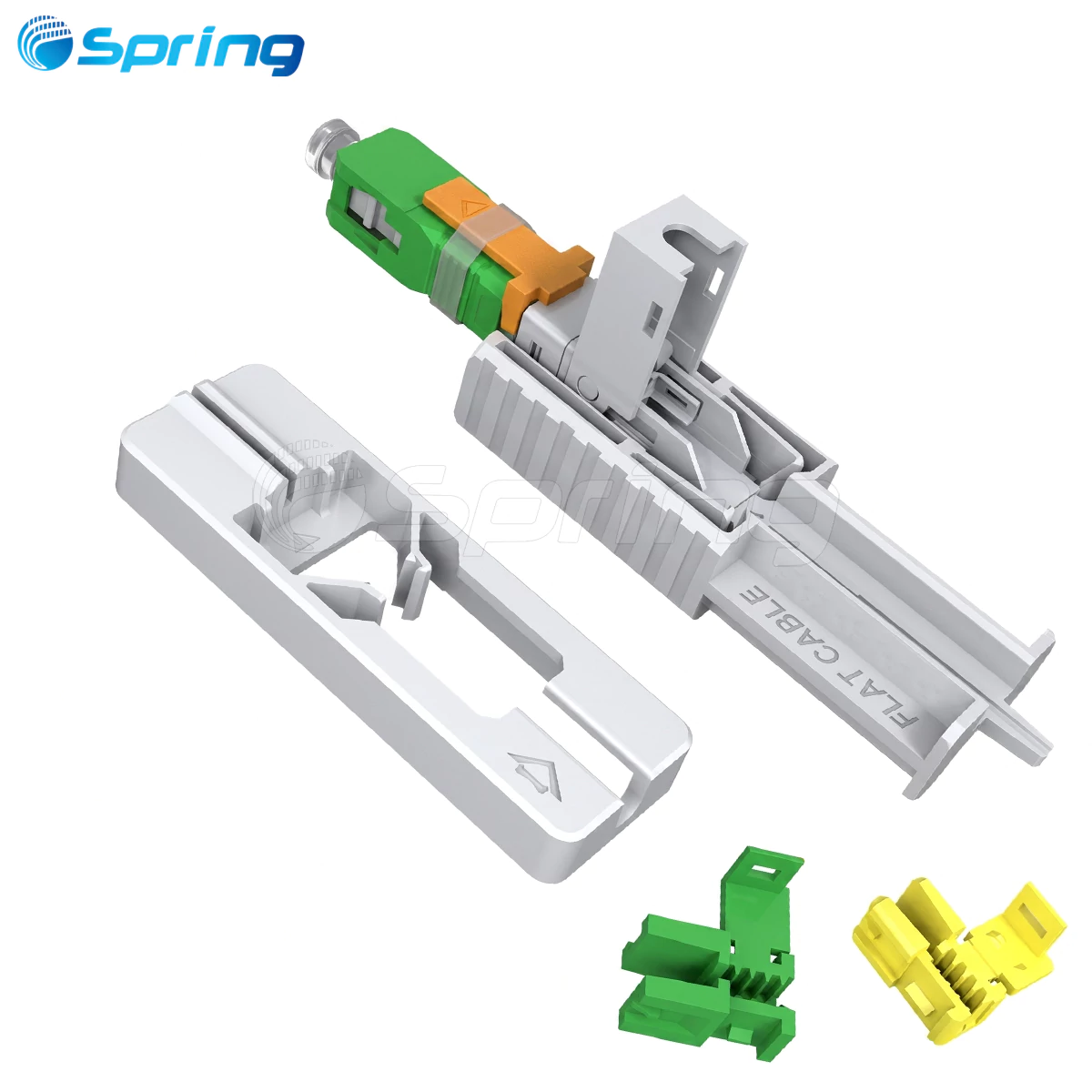
| SC | GPON, EPON, FTTH deployment |
| ST | Campus networks, legacy systems |
| FC | Testing equipment, precision instruments |
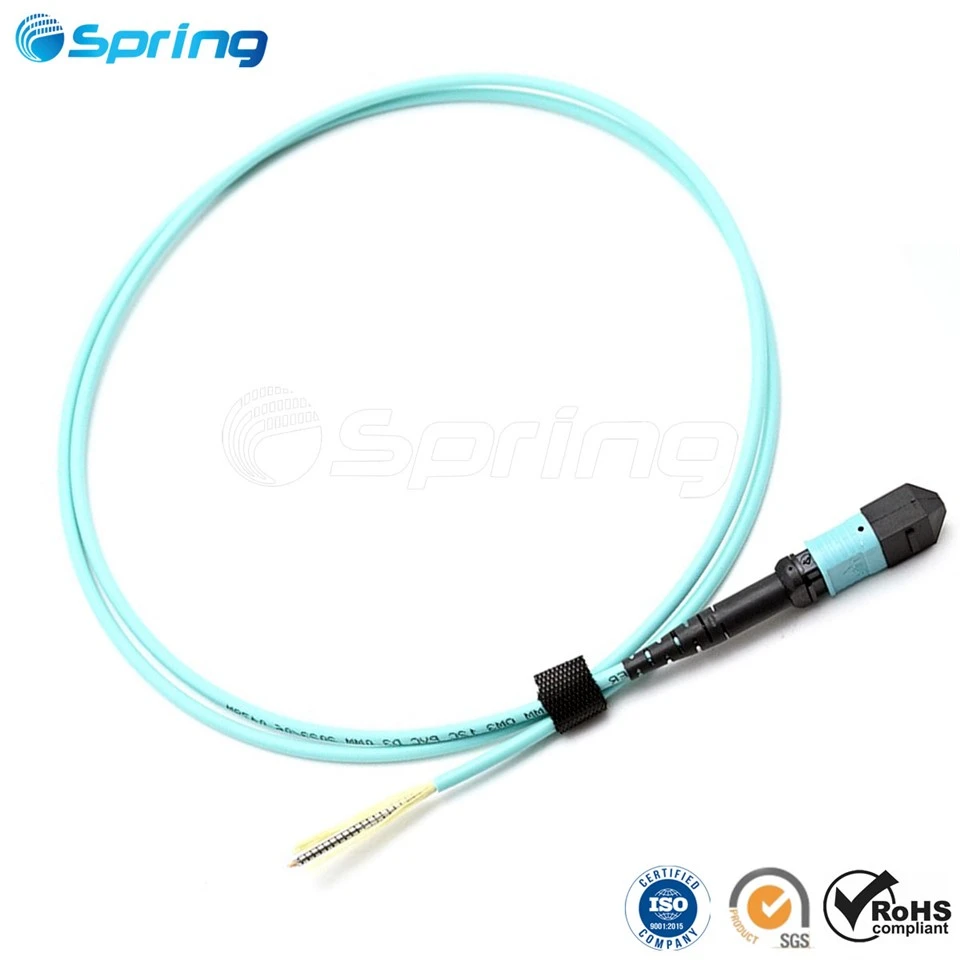
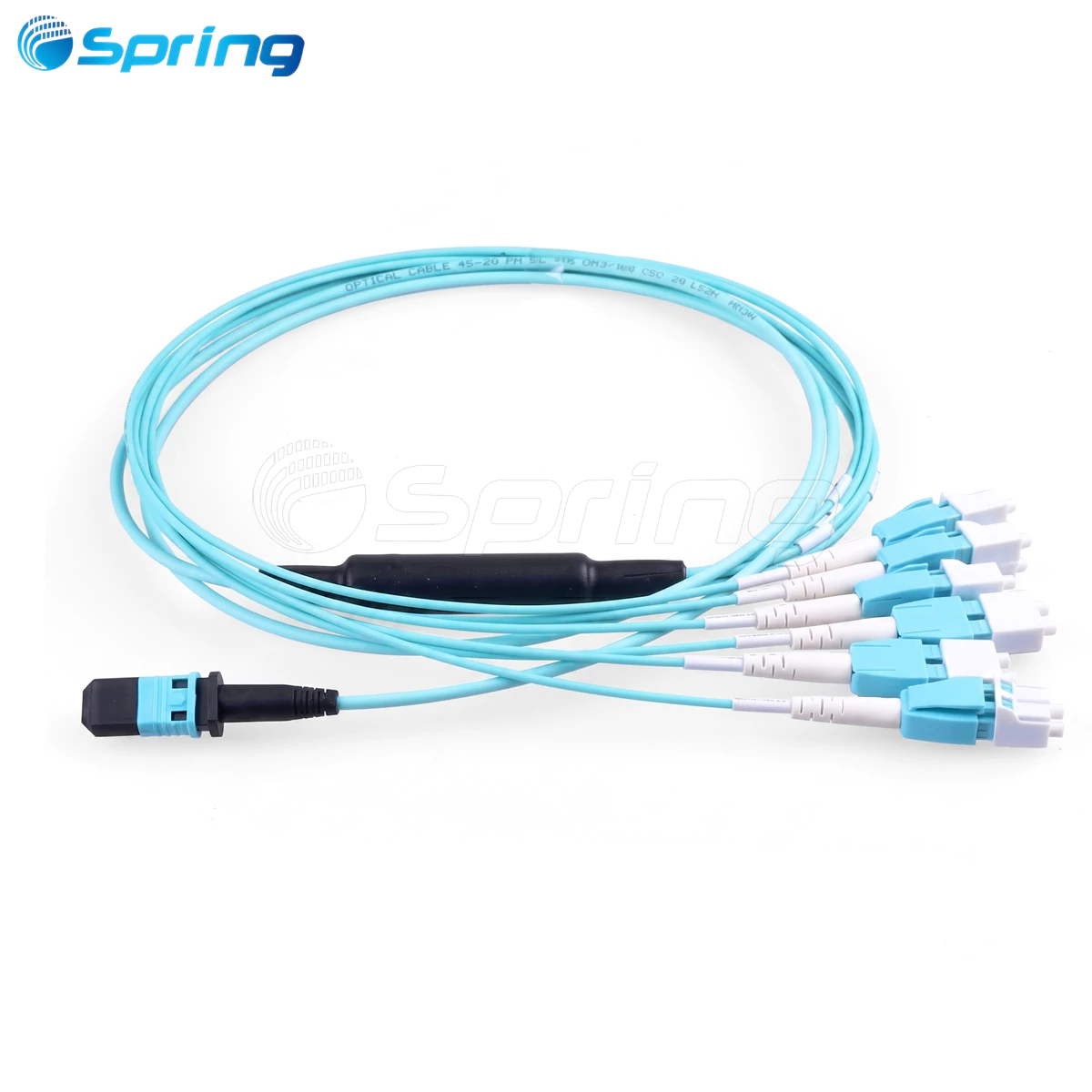
| MPO/MTP | 40G/100G parallel transmission |
Engineering Tip
For 40G QSFP+ and 100G QSFP28 modules, MPO/MTP patch cables are mandatory due to parallel fiber architecture.
Using mismatched connectors will result in mechanical incompatibility and possible signal loss.
Step 2: Single Mode vs Multimode Fiber – Which Should You Choose?


One of the most searched questions in fiber optics is:
Single mode vs multimode fiber – what's the difference?
Single Mode Fiber (SMF)
Core size: 9/125μm
Suitable for long-distance transmission
Lower attenuation
Used in metro networks, backbone, FTTH
Multimode Fiber (MMF)
Core size: 50/125μm
Suitable for short-distance transmission
Cost-effective for data centers
OM3 / OM4 commonly used for 10G–100G
Transmission Standard Reference
| Ethernet Standard | Recommended Fiber |
|---|---|
| 10GBASE-SR | OM3 / OM4 |
| 10GBASE-LR | Single Mode |
| 40GBASE-SR4 | OM3 / OM4 |
| 40GBASE-LR4 | Single Mode |
| 100GBASE-SR4 | OM3 / OM4 |
| 100GBASE-LR4 | Single Mode |
Practical Rule
≤150 meters (data center): Multimode OM3/OM4
500 meters (FTTH / metro): Single Mode
Selecting the wrong fiber type may prevent link establishment.
Step 3: Simplex vs Duplex Fiber Patch Cable


Simplex Fiber Patch Cable
One fiber strand
Used for BiDi optical modules
Duplex Fiber Patch Cable
Two fibers in one jacket
Simultaneous transmit and receive
Standard for Ethernet networks
Most enterprise and data center applications require duplex fiber patch cables.
Step 4: What Fiber Length Should You Use?
Fiber patch cables are commonly available from 0.5m to 100m.
Best Practice for Structured Cabling
Avoid excessive slack
Maintain clean cable management
Keep patch cords under 200m where possible
Although fiber transmission within 500 meters is technically feasible, shorter patch cords reduce insertion loss and simplify maintenance.
Step 5: APC vs UPC Connector – What's the Difference?


APC vs UPC connector – which is better?
UPC Connector
Flat polish
Blue housing
Suitable for general data communication
APC Connector
8° angled polish
Green housing
Lower back reflection
Better return loss performance
Where APC Is Recommended
FTTH networks
GPON systems
WDM transmission
In FTTH deployments, APC connectors typically achieve return loss better than -60 dB, reducing reflection impact on OLT equipment.
Step 6: Choosing the Right Fiber Cable Jacket (PVC vs LSZH vs Plenum)


Cable jacket material affects fire rating and installation compliance.
| Jacket Type | Application |
|---|---|
| PE | Outdoor fiber cables |
| PVC | Indoor general use |
| LSZH | Low smoke, data centers |
| Plenum (OFNP) | Air-handling spaces |
| Riser (OFNR) | Vertical building shafts |
Engineering Recommendation
For data centers in North America, LSZH or Plenum-rated fiber patch cables are typically required to meet fire safety regulations.
Common Fiber Selection Mistakes (And How to Avoid Them)
Mixing APC and UPC connectors
Using multimode fiber for long-distance links
Ignoring return loss requirements in GPON systems
Selecting incorrect jacket type for building codes
Avoiding these mistakes significantly improves network stability.
Real Deployment Example
In a recent FTTH project for a regional ISP, we supplied SC/APC single mode fiber patch cables for GPON OLT connections.
By selecting APC polish, the return loss was maintained below -60 dB, reducing optical reflection and improving long-term signal stability.
Why Proper Fiber Optic Cable Selection Matters
Incorrect fiber selection may result in:
High insertion loss
Excessive return loss
Link failure
Increased operational cost
As an experienced fiber optic manufacturer, we provide:
Custom fiber optic patch cable assemblies
MPO/MTP high-density solutions
FTTH-ready SC/APC patch cords
100% insertion and return loss testing
All products comply with international telecom standards and undergo strict quality control.
Final Thoughts
Choosing the right fiber optic patch cable becomes simple when you follow these six steps:
Connector type
Single mode or multimode
Simplex or duplex
Cable length
APC or UPC
Jacket material
If you need engineering support for your next data center or FTTH deployment, our technical team is ready to assist with customized fiber optic solutions.
Reliable optical transmission starts with correct fiber selection.