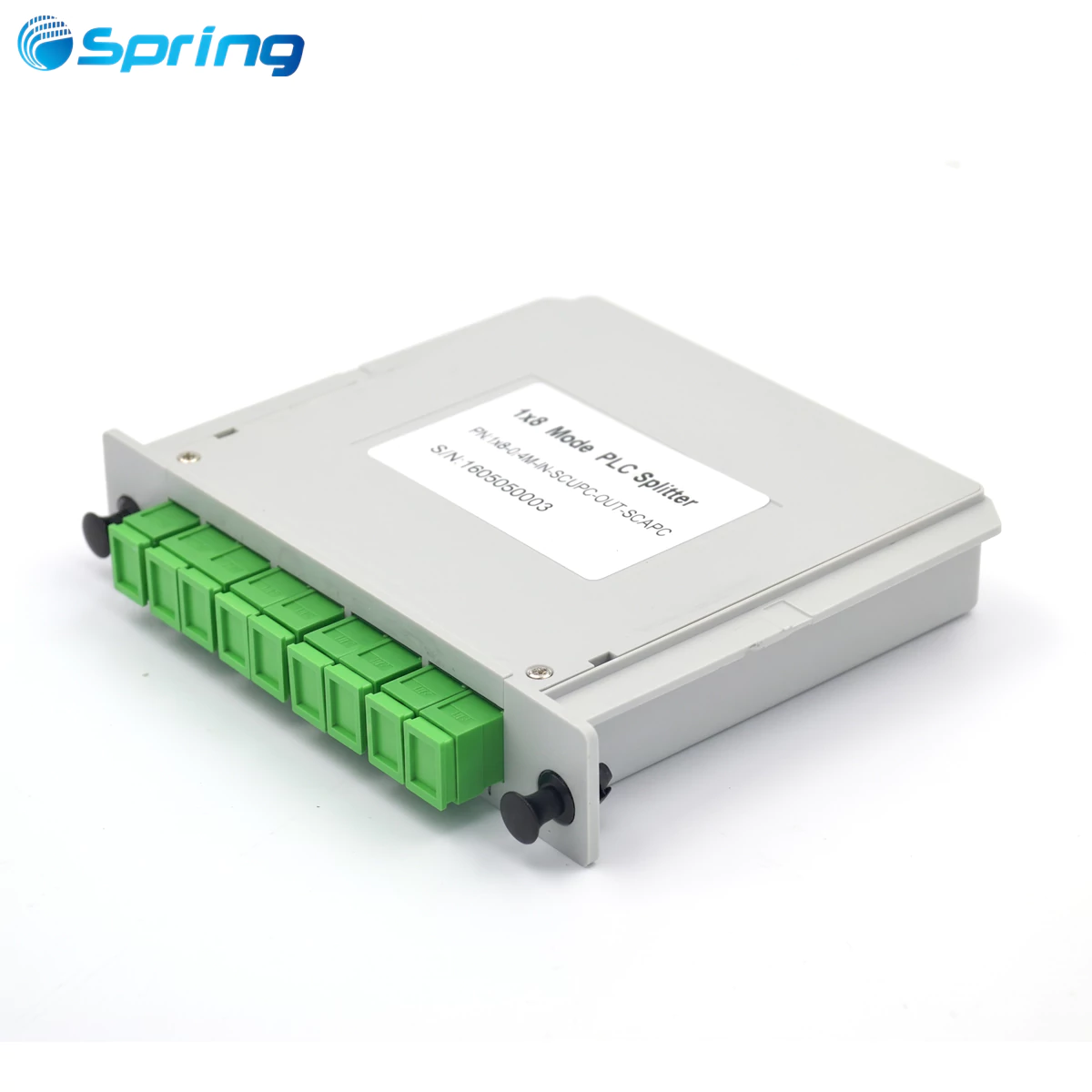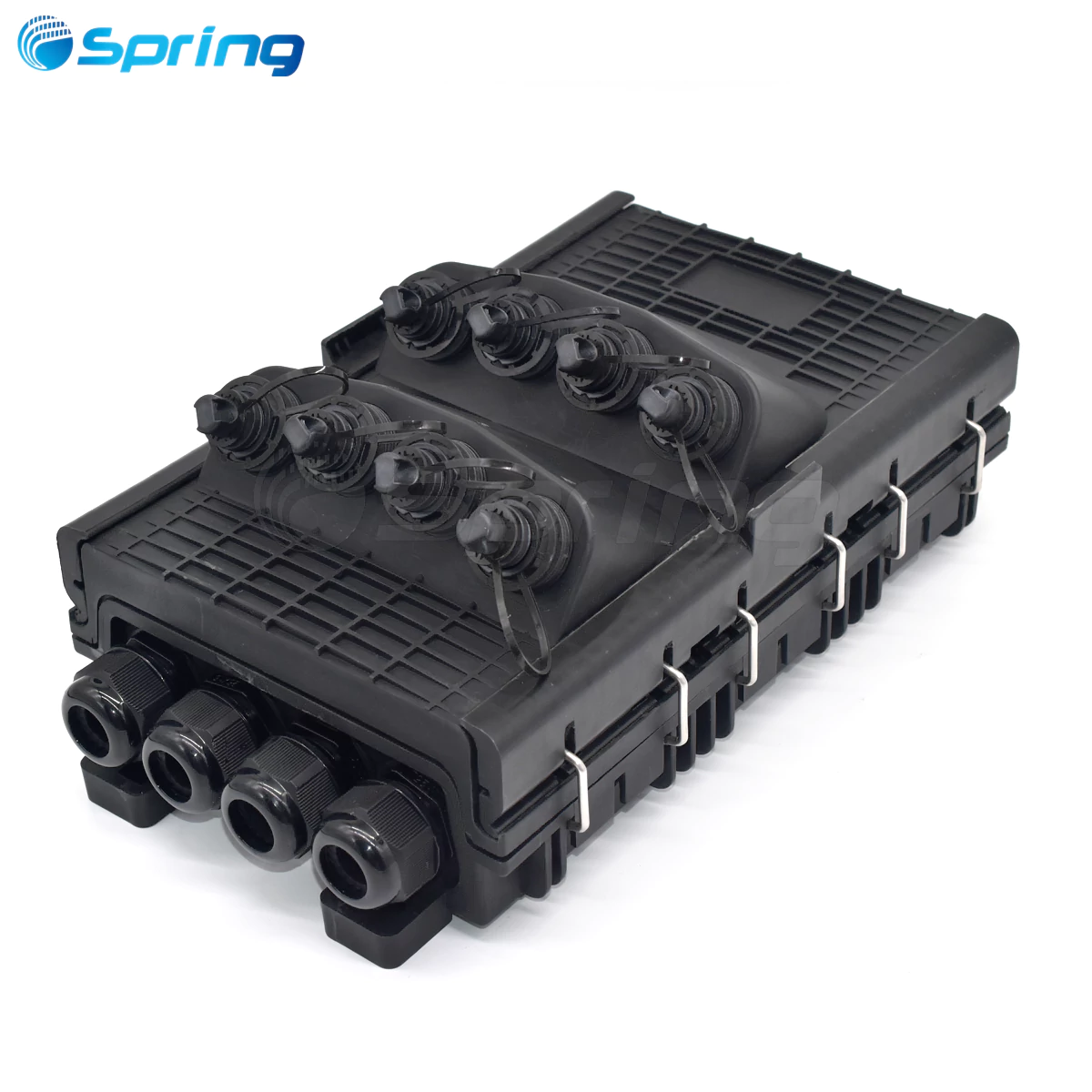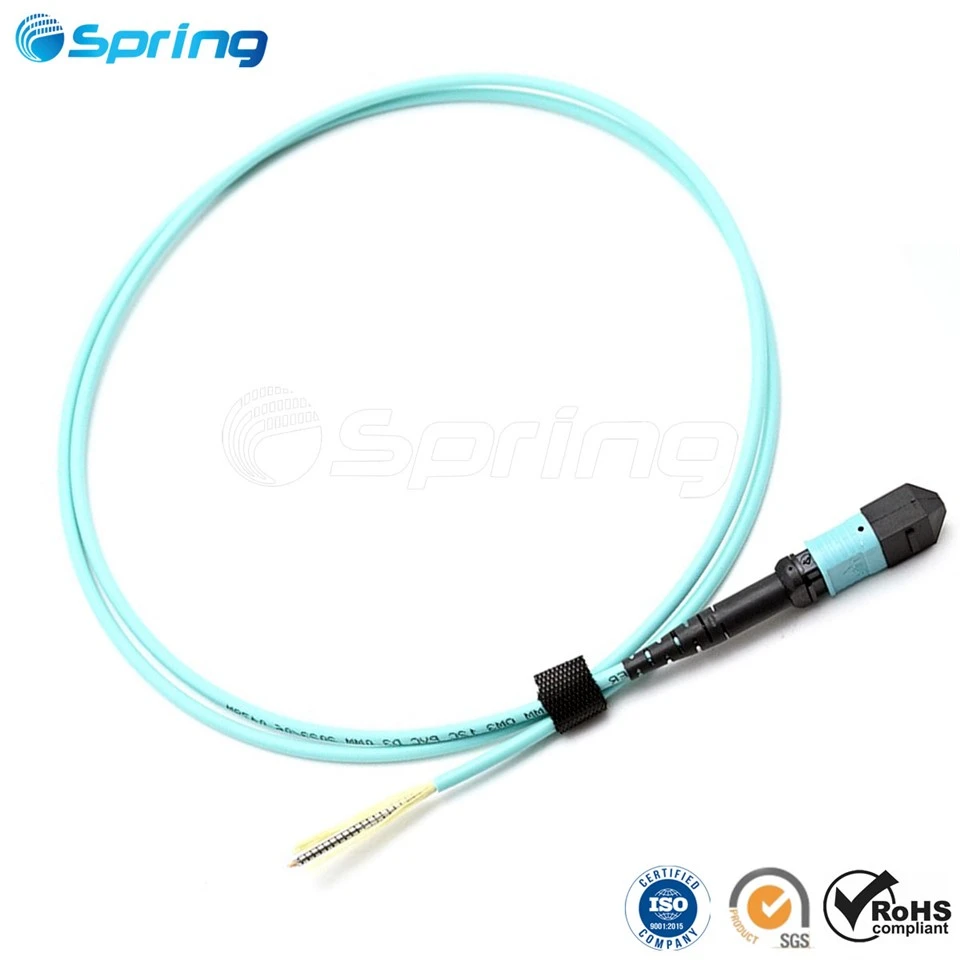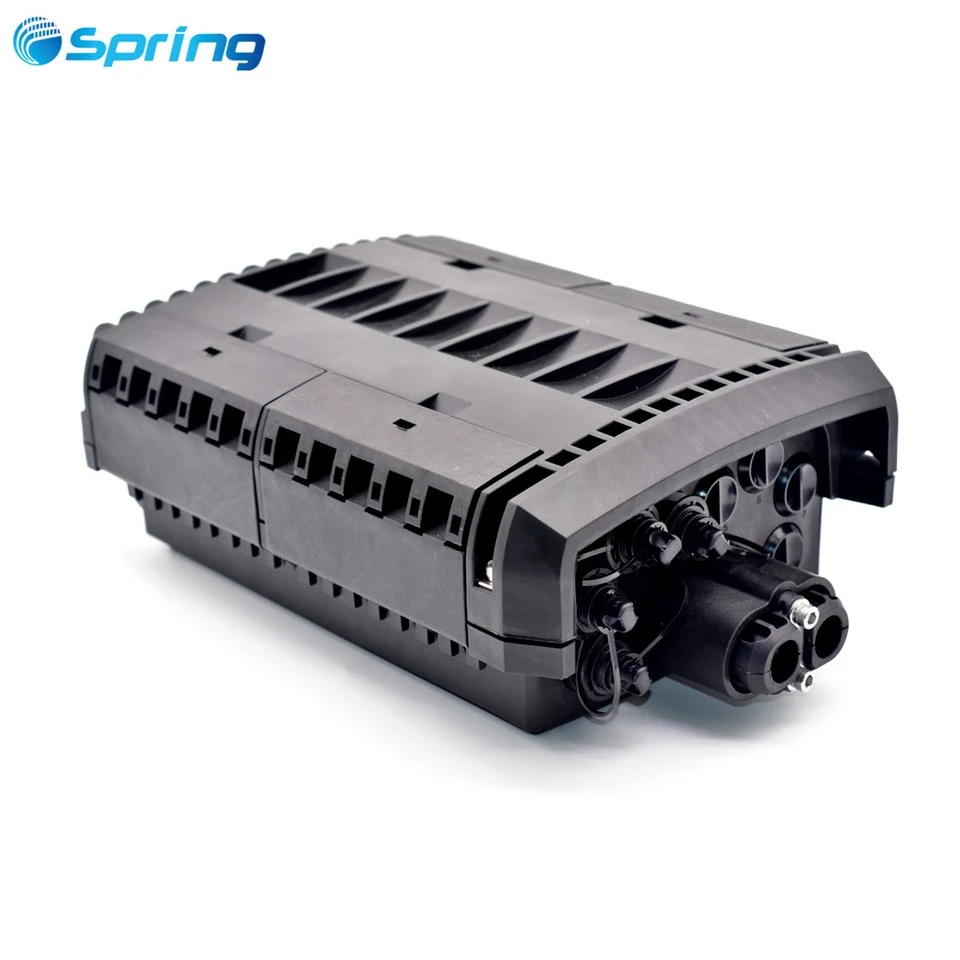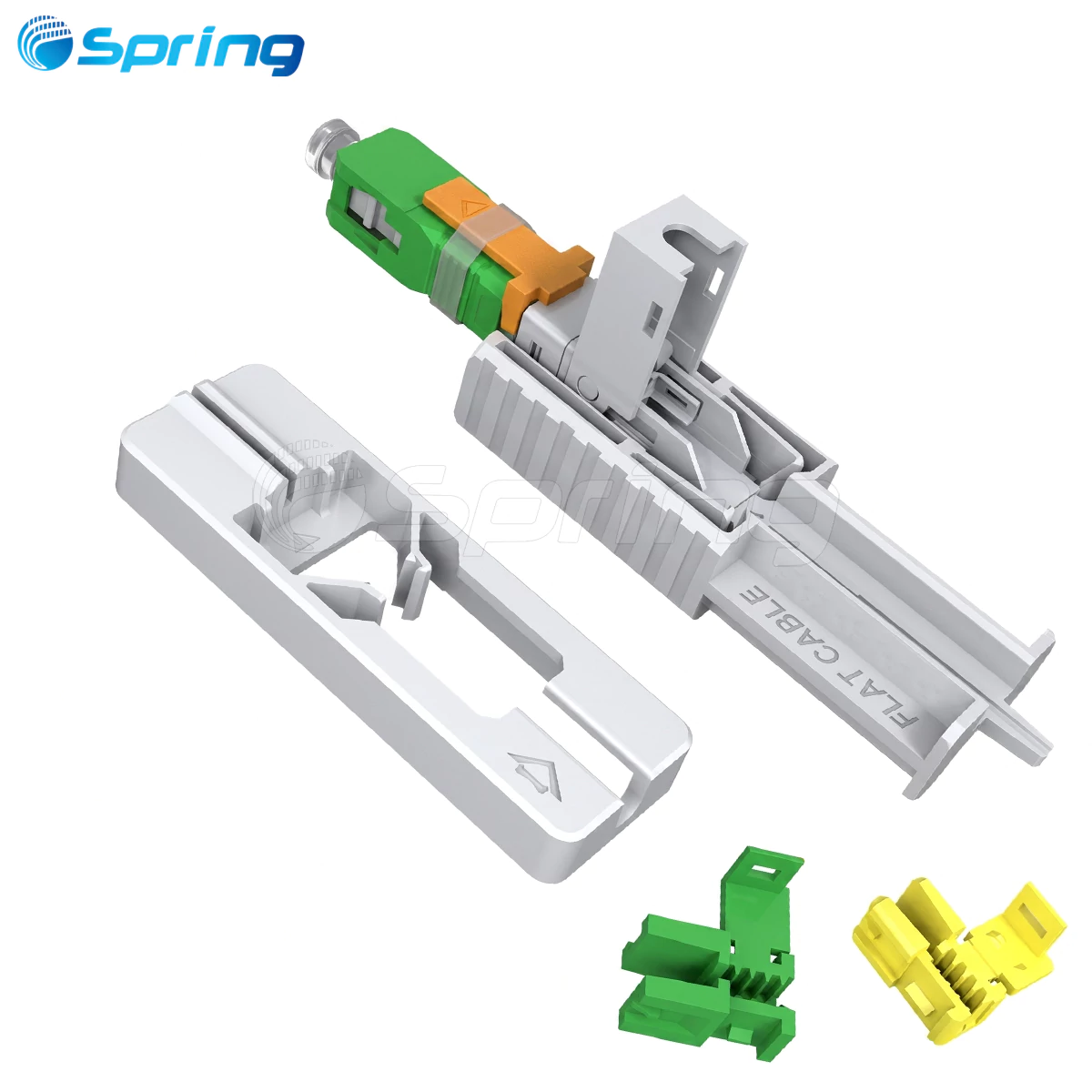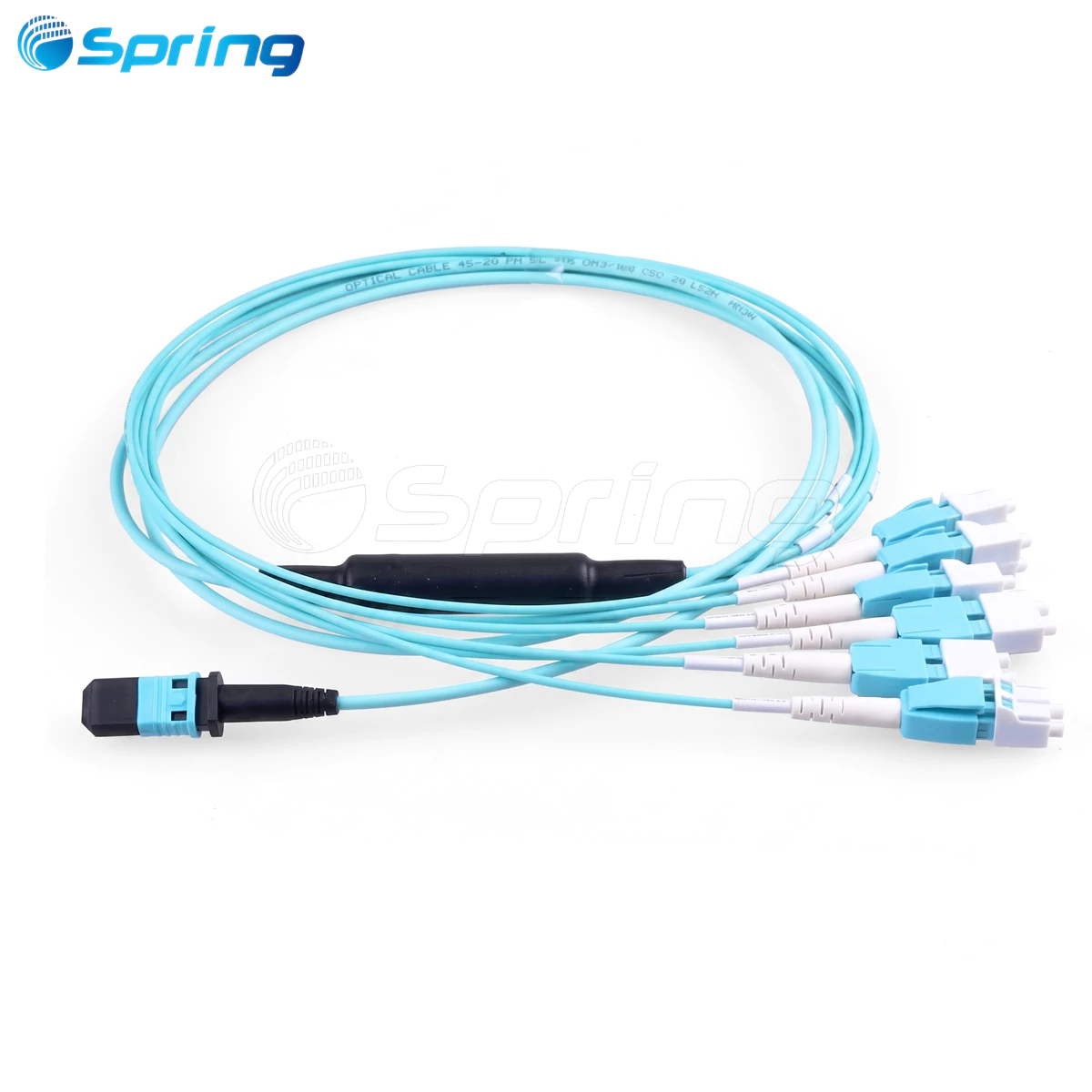


Access Terminal Box (ATB) is a small, wall-mounted enclosure that provides a secure interface between the outdoor fiber drop cable and the indoor fiber distribution. It is typically installed on the customer's premises and offers a plug-and-play fiber connection point for Optical Network Terminals (ONT).
In modern optical networks, ensuring a stable and secure "last-mile" connection is essential. One of the key components making this possible is the Access Terminal Box (ATB). Widely deployed in FTTH (Fiber to the Home), FTTB (Fiber to the Building), and other access network architectures, the ATB is a compact, user-end fiber management solution designed for terminating, connecting, and managing optical cables inside residential or commercial buildings.
In some regions, ATB is also referred to as Fiber Rosette Box, Outlet BOX, or PIZZA Box. As the only component in the Optical Distribution Network (ODN) directly visible and accessible to end-users, it must fulfill both technical functions and aesthetic expectations in residential environments. That means ATB should be compact, visually appealing, easy to install, flexible in cable routing, and highly reliable during long-term use.

Key Features:
· Equipped with one or more fiber optic adapters (commonly SC, LC, APC, or UPC)
· Internal space for fiber splicing or pre-terminated fiber cables
· Integrated bend radius control and cable securing mechanisms
· Compact, durable design for wall, desktop, or DIN rail mounting
ATB Applications
ATB are essential in:
· FTTH deployments, linking subscribers to the core optical network
· Indoor fiber distribution in multi-dwelling units (MDU) or office buildings
· Telecom and broadband services, ensuring clean and protected terminations
· Smart home networks, providing seamless high-speed fiber access for voice and data
Additionally, ATB serves as the boundary point between the service provider and the end user, especially when indoor and outdoor cables differ. In such cases, an ATB allows clean termination and transition between indoor/outdoor cable types using only one fusion splice, ideal when using indoor-outdoor micro cables.
Standard types of access terminal box
ATB are classified according to the number of fibres and installation:
1-core ATB: Usually factory-terminated with an adapter and external patch cords. Available with SC, LC, APC, or UPC simplex connector.
2-core ATB - Available with SC or LC simplex/duplex connectors and outside drop cables.
4-core ATB: With SC/ LC pre-connectorized, suitable for indoor FTTH.
8-core ATB: For larger fiber count needs, with connections at SC/LC and external fiber leads in various lengths.
There are wall-mountable, desktop, and DIN-rail type installations available for SC/UPC, SC/APC, LC, and other common fiber connectors.
Benefits of Using ATB
Pro End – Clean and solid fiber interface
EASY to USE: easy to install and troubleshoot
Cost Savings – Ideal for high volume FTTH deployments
Small size – Takes up less room, looks better
Pre-Terminated Ready - Reduce install time and cost, along with delivering a perfect network infrastructure.
ATB and Fiber Distribution Box (FDB)
Although they both have fiber termination uses, the ATB is generally placed inside user premises with lower fiber counts, and the FDB is usually placed in the corridor or outdoors for branch distribution. ATB represents the termination between the provider and subscriber.
ABT and FTTR: How are they related?
In FTTR (Fiber to the Room) applications, ATB is are vital ingress point to bring optical fibers directly to each room. As a visible, end-user interface product, ATB should be compact, flexible in routing, visually coordinated with our interior decoration, and reliable in long-term usage. This is exactly what FTTR requires: high-speed, low-latency fiber to penetrate the whole home and office.
Guide for the Installation and Maintenance of ATB Measures
Always check fiber polarity and the connector before installation.
Choose between fusion splicing and quick connectors according to project requirements
Maintain proper fiber bend radius and use built-in cable clips
Made of flame-retardant and UV-resistant material for safety and durability
Frequently asked questions (FAQs)
Q1: Do all of the Access Terminal Boxes provide a Shutter adapter?
A1: Not all ATBs include a shuttered adapter. But it is recommended to use the folded ones in dust-prone or public places, shiny and strong.
Q2: Do you produce Access Terminal Boxes?
A2: Yes. SPRING Optic makes all kinds of ATB for FTTH / MDU / Telecom solutions, also offering pre-terminated or splice scenarios.
Q3: What kind of fiber standard are pre-terminated ATB cables?
A3: There are generally two types of pre-terminated ATB, which are G.657 and non-G. 657. A1 or G.657. A2 bend-insensitive single-mode fiber that's perfect for shallow or tight fit CT installs.
Q4: Are the access terminal box and the FTTH box the same?
A4: In most contexts, yes. FTTH boxes are sometimes ATBs for an application of FTTH. But they may be categorized by design or feature set by various manufacturers.
Q5: Are ATB permitted when transitioning from OSP to ISP fiber?
A5: Absolutely. ATB can link indoor fiber systems with outdoor fiber systems, especially when changing the cable types. Installation is made more efficient with indoor-outdoor micro cables and a single fusion splice.
Conclusion
The Access Termination Box (ATB) is an essential component of FTTH and next-generation access network roll-outs. As the last fibre termination point at the user's end, it provides good performance to the user. Whether you're deploying a new residential rollout or improving existing infrastructure, ATBs offer an easy-on-the-pocketbook solution for last-mile fiber connectivity.

SPRING Optic provides Access Terminal Box (ATB)
All products are strictly tested to ensure quality and performance. Free samples are available.
If you have any questions or need support, feel free to contact us at the email below - We will respond to you as soon as possible.